


 By Roysten Xavier - June 28, 2026
Common Liver Diseases
1. Fatty Liver Disease
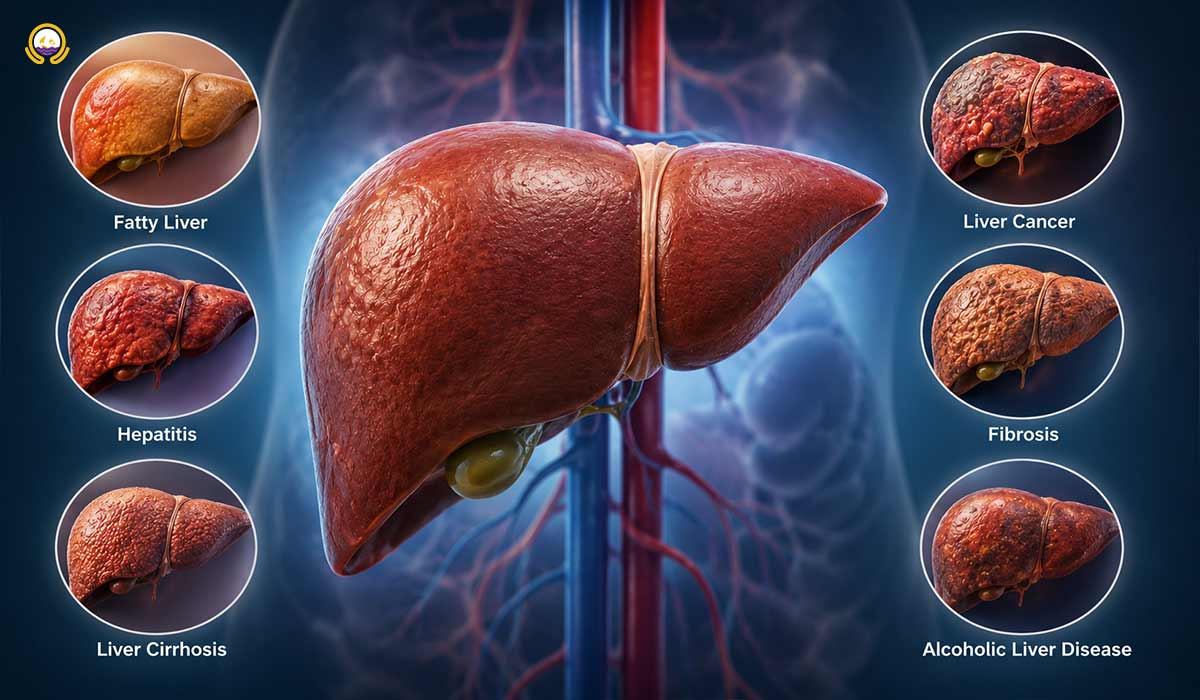
Fatty liver disease occurs when fat builds up in liver cells. There are two types:
• Non-Alcoholic Fatty Liver Disease (NAFLD): Results from obesity, diabetes, and metabolic syndrome. It is increasingly common and can progress to cirrhosis without intervention.
• Alcoholic Fatty Liver Disease: Develops from excessive alcohol consumption and is often reversible with abstinence.
2. Hepatitis
Inflammation of the liver caused by viral infections (Hepatitis A, B, C, D, E), autoimmune disease, or other factors. Viral hepatitis can range from acute to chronic, with some types leading to cirrhosis and liver cancer.
3. Cirrhosis
Severe scarring of the liver that impairs its function. Cirrhosis is irreversible and results from chronic liver damage due to hepatitis, excessive alcohol use, fatty liver disease, or autoimmune conditions. It can lead to liver failure and death.
4. Liver Cancer (Hepatocellular Carcinoma)
Primary liver cancer often develops in people with existing liver disease, particularly cirrhosis. Risk factors include chronic hepatitis B and C, cirrhosis, and fatty liver disease.
5. Autoimmune Hepatitis
The immune system attacks liver cells, causing inflammation and damage. More common in women and can be controlled with immunosuppressive medications.
6. Primary Biliary Cholangitis (PBC)
An autoimmune condition where bile ducts in the liver are damaged, impairing bile flow and damaging liver cells.
7. Gallstones and Biliary Obstruction
Hardened bile deposits that can block bile ducts, causing pain and potentially damaging the liver and pancreas.
'



_20-08-2026_05-08.jpg)
_27-51-2026_11-51.png)
_27-43-2026_12-43.png)



.jpg)
.jpg)




.jpg)


.jpg)
.png)
.jpg)













Leave a comment