


 By guest - July 21, 2026
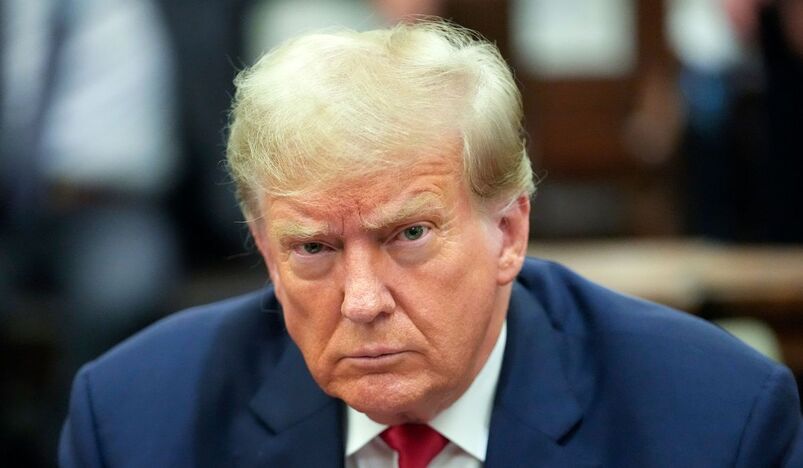
Lead: President Donald Trump signed proclamations imposing additional 50% tariffs on selected Canadian imports worth about $20 billion, the White House said, escalating a trade dispute between the two long time trading partners.
What was announced The White House fact sheet and administration statements say the tariffs target a broad list of products including wine, cement, dairy goods, furniture, clothing, fishing equipment, swimming pools, seeds and ice hockey gear and are intended to offset what the U.S. describes as Canada’s discriminatory treatment of American made cars, alcohol and dairy.
Legal basis and timing The measures were issued under Section 338 of the Tariff Act of 1930, which allows the president to impose punitive tariffs of up to 50% when a trading partner is deemed to have discriminated against U.S. commerce. The proclamations will take effect 30 days after the announcement, giving businesses a short window to adjust.
Reactions and immediate impact Canadian officials have criticised the move and warned of reciprocal measures, while industry groups on both sides of the border expressed concern about higher costs and supply chain disruption. Analysts say the tariffs could raise prices for U.S. consumers and complicate cross border manufacturing and agricultural trade.
Economic and diplomatic implications Trade experts note that tariffs of this scale risk triggering retaliatory duties and broader escalation, potentially affecting sectors beyond those named. Shipping, retail and manufacturing firms that rely on integrated North American supply chains may face delays, higher input costs and the need to reroute sourcing.
What businesses should do now
- Review exposure: Importers and distributors should identify whether their products fall under the listed tariff lines.
- Engage customs counsel: Firms may need tariff classification advice and to prepare for customs declarations and potential price adjustments.
- Monitor official notices: Watch for implementing guidance from U.S. Customs and Border Protection and any Canadian countermeasures.
Background: The administration framed the action as protecting American workers and industries from unfair treatment, marking one of the first known uses of Section 338 at this scale. Observers say the move follows months of bilateral tensions over automotive rules, alcohol market access and dairy protections.
.jpg)

.jpg)


_20-08-2026_05-08.jpg)
_27-51-2026_11-51.png)
_27-43-2026_12-43.png)



.jpg)
.jpg)




.jpg)


.jpg)
.png)
.jpg)












Leave a comment