


 By neha - June 26, 2026
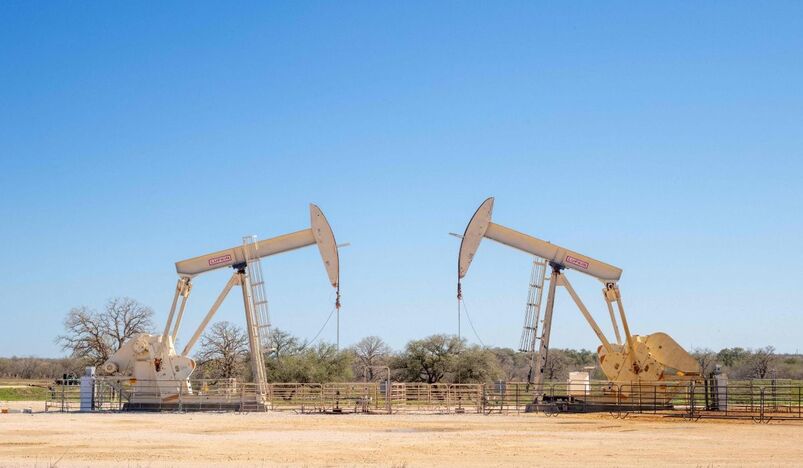
Oil markets ended the week on a bearish note. Brent crude and WTI both fell sharply on Friday June 26, 2026. Supply fears eased as stranded tankers resumed transit through the Strait of Hormuz. The market is heading for one of its steepest weekly losses in months.
Where Prices Settled on Friday
Brent crude futures fell USD 1.50, or 1.99 percent, to USD 73.76 a barrel. US West Texas Intermediate crude futures dropped USD 1.49, or 2.07 percent, to USD 70.43 a barrel.
WTI briefly touched its lowest level since February 27, 2026. That was the day before the US-Israeli military campaign against Iran began. Crude has now shed nearly 10 percent in a single week. Both Brent and WTI are on track for a third straight weekly decline.
What Changed in the Strait of Hormuz
The Strait of Hormuz is the world's most important oil shipping corridor. Under normal conditions, roughly 125 ships transit it every day. That represents about 20 percent of all globally traded oil.
When the US-Israeli conflict with Iran began on February 28, 2026, Iran effectively closed the strait. Maritime traffic collapsed to a trickle. Hundreds of tankers were stranded.
Global oil supply dropped by an estimated 14 million barrels per day. Oil prices surged more than 50 percent from pre-war levels during the conflict.
That picture is now changing fast. A ceasefire framework between the United States and Iran reopened the waterway. Tanker movements accelerated sharply through the week of June 23 to 26. Approximately 2 million barrels transited the strait on June 23 alone. Crude shipments through Hormuz hit their highest pace since the war began. Oil flows from the Persian Gulf recovered to approximately 75 percent of pre-war levels.
Saudi Arabia moved quickest among the major producers. Saudi tankers loaded at the Ras Tanura terminal for the first time since March. That marked a significant milestone. Qatar also issued its first post-war crude tender. The UAE, Kuwait, and Qatar all began ramping up output as the waterway reopened.
A Ship Was Hit Near Oman but Markets Kept Falling
The decline was not without a complication. A cargo vessel was struck by an unknown projectile southeast of Oman on Thursday. The United Kingdom Maritime Trade Operations reported the incident. Several commercial ships reversed course after the news broke.
Oil briefly jumped nearly 2 percent on Thursday in response to that security scare. But the rebound did not hold. President Donald Trump confirmed the strait remains open and that tanker traffic has continued. Markets chose to believe the broader trend of reopening rather than the isolated incident.
US officials told media outlets that Iran fired on the cargo ship as it attempted to pass through the strait outside designated routes. Iranian authorities issued a warning that security of vessels passing outside the approved Hormuz corridor is not guaranteed. Despite that warning, tankers continued moving through and crude flows kept rising.
The Speed of the Price Drop Has Surprised Markets
What makes this week unusual is not just the direction of the move but the pace of it. Brent fell more than USD 3 on Wednesday alone. It dropped further on Friday. The total weekly decline of close to 7 percent came in a very short window.
An analyst at IG described the speed of the sell-off as catching many market participants off guard. Markets priced in a much faster return of Middle Eastern oil barrels than most traders had anticipated even two weeks earlier.
An analyst at Vanda Insights described the move as entirely sentiment-driven. She noted that markets are front-running the prospective full reopening of the strait. They are pricing in the best-case scenario for normalized flows. That means potential complications, from logistics to renewed geopolitical tensions, may not be fully factored into current prices yet.
Why the Market Still Carries Risk
The physical picture tells a different story from what prices suggest. Transit activity through the Strait of Hormuz recovered to approximately 30 vessel crossings per day by late June. That remains less than one-quarter of the pre-conflict daily baseline of 125 ships. The market's multi-dollar reaction was not proportional to the actual volumes moving through the waterway.
Over 500 vessels are estimated to still be waiting to exit the Gulf through the strait. Clearing naval mines from the waterway is expected to take weeks at a minimum. Middle
Eastern producers are ramping up output but are finding it difficult to secure enough tankers to carry additional crude quickly.
The US and Iran are still negotiating a permanent agreement to end the conflict. Key issues including nuclear policy remain unresolved. The current ceasefire operates under a 60-day memorandum of understanding framework. If that framework collapses before permanent governance arrangements are confirmed, geopolitical risk premiums could snap back sharply.
US Oil Inventories Add Another Complication
US crude stockpiles delivered a bearish surprise during the week. The Energy Information Administration reported that total US crude stocks hit their lowest level since 1984. That reflected strong refining demand combined with emergency oil reserve releases by the government.
Under normal circumstances, that inventory data would support higher prices. This week, markets largely ignored it. Traders focused almost entirely on the Strait of Hormuz reopening story. The supply picture from the Gulf dominated everything else.
WTI holding near USD 70 per barrel creates its own dynamic for the US energy sector. That level sits close to the breakeven threshold for some higher-cost US shale producers. A sustained move below USD 70 would pressure production economics for marginal Permian Basin and Bakken operators.
Venezuela Earthquakes Added Brief Supply Concern
One additional factor crossed traders' desks on Thursday. Severe earthquakes struck Venezuela, raising brief concerns about supply disruptions from one of South
America's major oil producers. Preliminary assessments showed limited damage to Venezuela's oil, gas, and refining infrastructure. The country's largest production regions, refineries, pipelines, and terminals sit far from the worst-hit areas. Markets absorbed the news without a lasting reaction.
What Happens to Oil Prices Next
The direction of oil prices from here depends primarily on two variables.
The first is whether the Strait of Hormuz stays open and tanker traffic continues to recover toward pre-war norms. Every barrel that moves through the strait without incident removes more of the conflict premium from crude benchmarks.
The second is whether the US and Iran reach a permanent agreement before the 60-day ceasefire window closes. An agreement that formalizes Hormuz access and removes Iranian sanctions would unlock a significant volume of Iranian crude. Analysts estimate Iran could mobilize substantial shut-in production relatively quickly once logistics, insurance, and sanctions frameworks normalize. Iran historically produced over 3.8 million barrels per day at peak capacity.
OPEC producers are also watching closely. Iraq has already demanded a higher production quota to compensate for oil revenues lost during the war. A 2026 global supply surplus is increasingly expected by energy market analysts. That surplus outlook, combined with recovering Hormuz flows, keeps the near-term price bias pointed downward.
For now, Brent at USD 73 and WTI at USD 70 reflect a market that believes the worst of the supply disruption is behind it. Whether that confidence proves justified depends entirely on what happens inside the Strait of Hormuz over the weeks ahead.



_20-08-2026_05-08.jpg)
_27-51-2026_11-51.png)
_27-43-2026_12-43.png)



.jpg)
.jpg)




.jpg)


.jpg)
.png)
.jpg)













Leave a comment