


 By Roysten Xavier - June 29, 2026
Birth Certificate — The Cornerstone
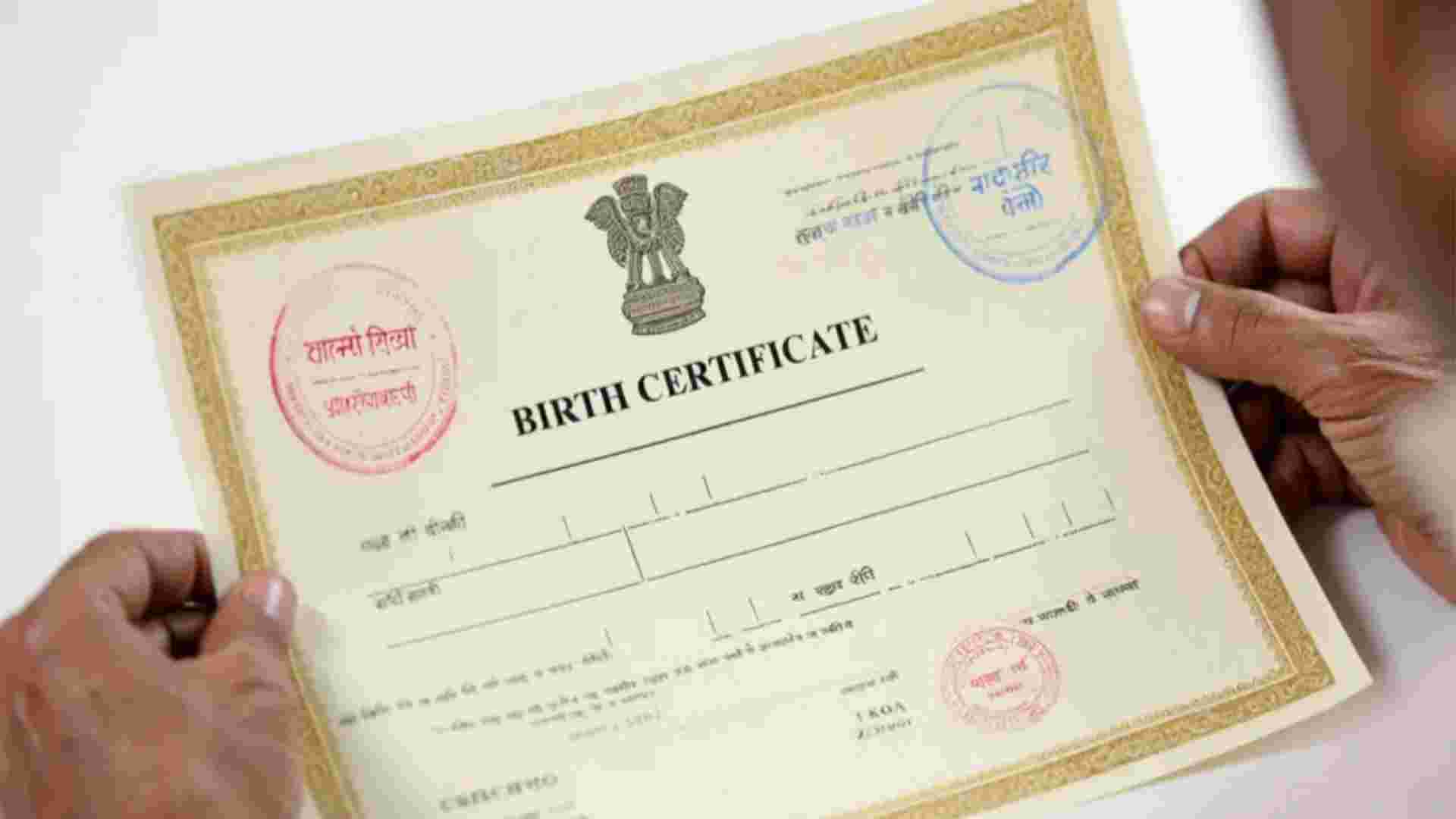
For those born before July 1, 1987, a birth certificate proving birth in India is enough to establish citizenship under the Citizenship Act. For those born after that date, parents' birth certificates may also be needed to show they were Indian citizens at the time of birth.
The citizenship rules based on birth year are:
|
Born Between |
Citizenship Rule |
|
Jan 26, 1950 – Jul 1, 1987 |
Citizen by birth, regardless of parental nationality |
|
Jul 1, 1987 – Dec 3, 2004 |
Citizen only if at least one parent was Indian at time of birth |
|
Dec 3, 2004 onwards |
Citizen only if both parents are Indian, or one is Indian and the other is not an illegal migrant |
Certificate of Naturalisation or Registration — The Most Definitive Proof
The most definitive proof of citizenship available under the current framework is a Certificate of Naturalisation or Certificate of Registration, issued directly by the Ministry of Home Affairs under Sections 5 and 6 of the Citizenship Act, 1955. This applies to individuals who were once foreign nationals but legally acquired Indian citizenship.
For the vast majority of Indians who are citizens by birth, no equivalent single document exists — which is precisely why the MEA's clarification caused such confusion.
Nationality Certificate — Rare but Definitive
In certain situations, a court, Home Ministry, or State Government will issue a Nationality Certificate, which unequivocally certifies that the individual is an Indian citizen. These are only granted in restricted circumstances — when someone lacks a passport or naturalisation certificate and needs to demonstrate citizenship for a government position, educational institution, judicial proceeding, or similar purpose.
Parents' Lineage Records — Supporting Evidence
For anyone born after July 1, 1987, establishing citizenship requires showing the birth certificates, legacy data, or citizenship status of their parents. This chain of documentation is what legally establishes citizenship for the majority of younger Indians.
Domicile Certificate — Supporting Evidence
A domicile certificate proves that a person is a permanent resident of a specific state in India and is considered among the most reliable supporting documents recognized by the government to confirm Indian citizenship.






_20-08-2026_05-08.jpg)
_27-51-2026_11-51.png)
_27-43-2026_12-43.png)



.jpg)
.jpg)




.jpg)


.jpg)
.png)
.jpg)













Leave a comment