


 By guest - July 30, 2026
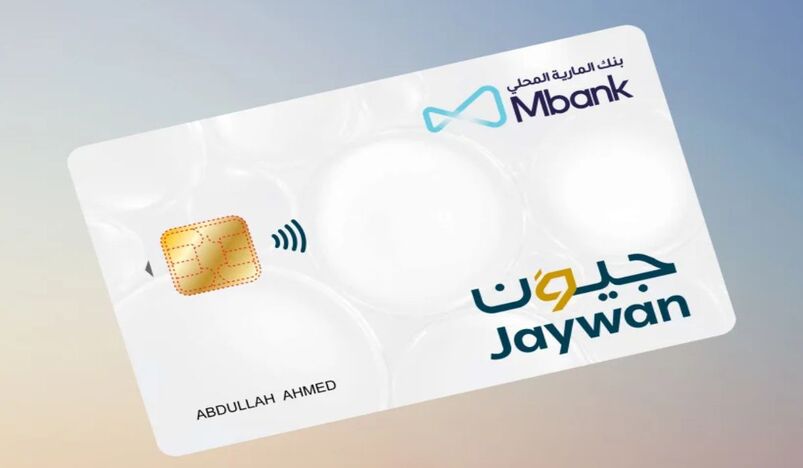
The UAE is taking another major step towards becoming a global leader in digital payments with the launch of Jaywan, the country’s first national card scheme.
Introduced by the Central Bank of the UAE (CBUAE) and Al Etihad Payments, Jaywan is designed to create a secure, efficient and locally operated payment network while giving consumers and businesses more choice in how they pay.
The national card scheme was formally inaugurated in July 2026, marking a major milestone in the UAE’s digital transformation and financial infrastructure strategy.
What is Jaywan?
Jaywan is a UAE-based domestic card scheme designed to process local payment transactions through the country’s own payment infrastructure.
One of its key features is the local routing of domestic transactions through UAESWITCH. This means payment transactions can be processed locally, helping keep payment-related data within the UAE and potentially reducing costs associated with international processing and currency conversion.
Jaywan is being developed as a flexible payment solution that can support debit, prepaid and credit cards, as well as transactions through point-of-sale terminals, ATMs and e-commerce platforms.
Local payments, global reach
While Jaywan is a national payment scheme, it is not designed to limit customers to domestic transactions.
The system supports both mono-badge cards, intended for local and GCC use, and co-badged cards that combine Jaywan with international payment networks. Partnerships with global payment networks are intended to allow customers to use compatible Jaywan cards for international payments as well.
This combination could give UAE consumers the advantages of a local payment network while retaining international usability.
Why Jaywan matters
The launch of Jaywan is part of a broader effort by the UAE to develop a more integrated and innovative digital payments ecosystem.
For local transactions, greater use of domestic payment infrastructure could help reduce reliance on international networks and associated processing costs. The CBUAE has also said Jaywan is intended to support e-commerce, financial inclusion and innovation in the payments sector.
Another important benefit is the localisation of payment data and processing. The CBUAE has identified Jaywan as part of its wider financial infrastructure transformation programme, alongside initiatives designed to make payments faster, safer and more efficient.
What could payments look like in the future?
Jaywan arrives as the UAE is already experiencing rapid growth in digital payments.
The country is simultaneously expanding other payment technologies, including Aani, its instant-payment platform, which allows users to transfer money instantly around the clock. By April 2026, Aani had reached 12.5 million users, with transfers completed in as little as three seconds.
Together, these developments point towards a future in which cash plays a smaller role and digital payments become increasingly seamless across everyday life.
For consumers, the future could mean paying in shops, online and through mobile devices with greater speed and flexibility. For businesses, it could mean more efficient payment processing and a wider range of locally integrated payment options.
A new chapter for UAE payments
Jaywan is more than a new bank card. It represents an important piece of the UAE’s broader digital-finance infrastructure.
As banks and financial institutions roll out Jaywan products and the system expands its domestic and international capabilities, the scheme could become an increasingly familiar part of everyday payments across the UAE.
With the country investing heavily in instant payments, digital banking, biometric payment technology and other financial innovations, Jaywan is positioned to play an important role in the next chapter of the UAE’s transition towards a more connected and cashless economy.




_20-08-2026_05-08.jpg)
_27-51-2026_11-51.png)
_27-43-2026_12-43.png)



.jpg)
.jpg)




.jpg)


.jpg)
.png)
.jpg)













Leave a comment