


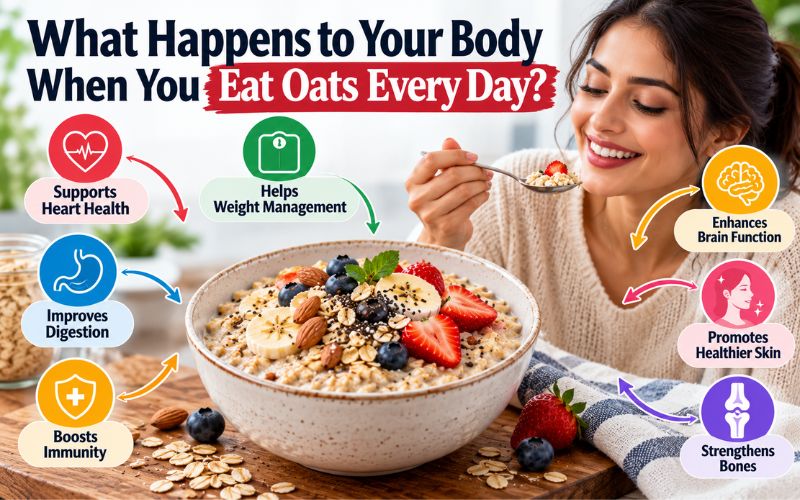
Oats are a popular breakfast choice for people who want to maintain a healthy lifestyle. They are affordable, easy to prepare, and rich in important nutrients that support overall health. From improving digestion to helping manage cholesterol levels, eating oats regularly can offer several benefits when you include them in a balanced diet.
But what actually happens to your body when you eat oats every day? Let's explore the potential benefits and a few things you should keep in mind.
1. Your Digestion May Improve
Oats contain beta-glucan, a type of soluble fibre that supports digestive health. They also provide other dietary fibres that help maintain regular bowel movements.
Eating oats regularly may help prevent constipation and support a healthier digestive system. Fibre also helps nourish beneficial gut bacteria, which play an important role in overall well-being.
For the best results, drink enough water throughout the day and increase your fibre intake gradually if you are not used to eating fibre-rich foods.
2. You May Feel Fuller for Longer
If you often feel hungry shortly after breakfast, oats may help you manage your appetite. Their fibre content slows digestion and can increase feelings of fullness.
A bowl of oats may help you avoid unnecessary snacking between meals and make it easier to maintain a balanced eating routine.
You can make your breakfast more satisfying by adding protein-rich ingredients such as milk, yoghurt, nuts or seeds. Fresh fruit can also add flavour, vitamins and extra fibre.
3. Your Cholesterol Levels May Improve
One of the best-known benefits of oats is their potential to support healthy cholesterol levels. Beta-glucan forms a gel-like substance in the digestive tract that helps reduce the absorption of cholesterol.
Regularly eating oats as part of a heart-healthy diet may help lower LDL cholesterol, often called bad cholesterol. This can contribute to better cardiovascular health over time.
However, oats alone cannot prevent or treat heart disease. A balanced diet, regular physical activity and appropriate medical care remain important.
4. Your Blood Sugar Levels May Become Easier to Manage
Oats contain complex carbohydrates and soluble fibre, which can slow digestion and help moderate the rise in blood sugar after a meal.
However, the effect depends on the type of oats, portion size and other ingredients in your breakfast. Steel-cut and rolled oats are generally better choices than heavily sweetened instant oatmeal products.
If you have diabetes, choose suitable portions and avoid adding excessive sugar, honey or sweetened syrups. Individual responses can vary, so follow your healthcare professional's advice.
5. You May Get More Essential Nutrients
Oats provide several nutrients that support normal body functions, including manganese, phosphorus, magnesium, iron and B vitamins. They also contain plant-based protein.
These nutrients help support energy metabolism, bone health and other essential processes in the body.
Adding oats to your regular breakfast can help diversify your diet, especially when you combine them with fruits, nuts and other nutrient-rich foods.
6. Your Weight Management Routine May Become Easier
Oats can be a useful part of a weight-management plan because their fibre content helps you feel satisfied after eating. A filling breakfast may make it easier to manage hunger throughout the day.
However, eating oats does not automatically lead to weight loss. Your overall calorie intake, physical activity, sleep and eating habits also influence your weight.
Pay attention to portion sizes and choose nutritious toppings rather than adding large amounts of sugar or high-calorie spreads.
Are There Any Side Effects of Eating Oats Every Day?
Most people can enjoy oats regularly without problems. However, suddenly eating large quantities may cause gas, bloating or abdominal discomfort, particularly if your usual diet contains little fibre.
Choose plain oats when possible and check labels for added sugars. People with coeliac disease or gluten sensitivity should select oats specifically labelled gluten-free because oats can become contaminated with gluten during processing.
Conclusion
Eating oats every day can support digestion, help you feel full for longer, provide essential nutrients and contribute to healthier cholesterol levels. The key is to prepare them in a balanced way and include a variety of nutritious foods in your diet.
Whether you prefer warm oatmeal, overnight oats or oats blended into a smoothie, this simple breakfast can be a practical addition to your daily routine.