


 By neha - July 28, 2026
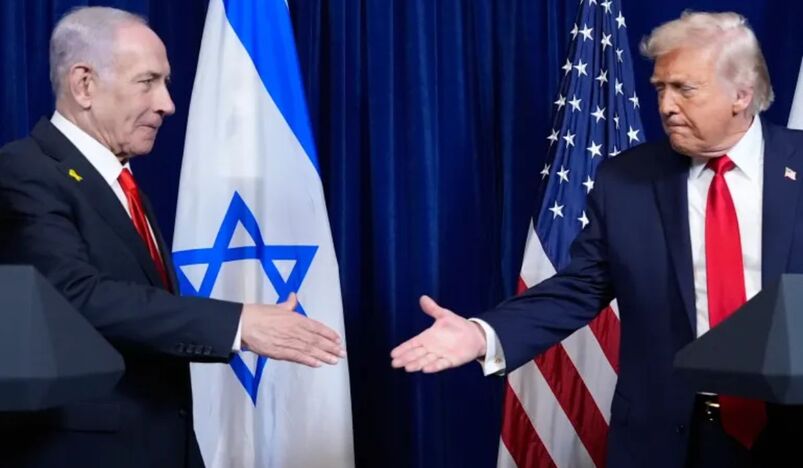
US President Donald Trump is set to host Israeli Prime Minister Benjamin Netanyahu at the White House on Tuesday, marking their seventh meeting there during Trump's second term. The visit comes at a politically sensitive moment, as the ongoing conflict with Iran has become increasingly unpopular among the American public and segments of Trump's Republican support base.
Why This Meeting Is Different
This will be the first face-to-face meeting between the two leaders since the military campaign against Iran began on February 28. Since then, public skepticism toward Israel has grown in the United States, with divisions also emerging among traditionally pro-Israel Republicans.
Political analysts note that Netanyahu has not visited the White House since the conflict began, suggesting the prolonged war made such a meeting politically difficult. Recent polling indicates Republican support for US policy toward Israel has softened, while many MAGA voters have questioned whether the economic costs of the conflict have been worthwhile. These shifting public attitudes could present political challenges for Trump as the midterm elections approach.
A Fragile Diplomatic Backdrop
The meeting also takes place as Washington pursues renewed diplomatic engagement with Iran. Trump recently indicated that the United States is exploring fresh negotiations after the June 17 memorandum of understanding between Washington and Tehran collapsed, leading to nearly two weeks of renewed fighting before a temporary pause in hostilities.
Netanyahu's government has consistently opposed the memorandum, arguing that it made excessive concessions to Iran while failing to adequately address Israel's security concerns. Israel continues to advocate a tougher approach toward Iran's nuclear program, creating differences with the Trump administration's recent emphasis on diplomacy.
Differences between Washington and Jerusalem became more visible in June after Israeli military operations in Lebanon threatened ongoing diplomatic efforts. Both Trump and Vice President JD Vance publicly expressed concern, with Vance reportedly urging Israeli officials to avoid actions that could further strain relations with the United States.
Despite these disagreements, observers note that Trump's personal relationship with Netanyahu remains exceptionally close. Netanyahu has met Trump more frequently than any other world leader during his second term, including private meetings outside official visits.
What Each Leader Wants From the Meeting
Analysts believe Netanyahu will seek to reinforce strategic cooperation with Washington while focusing discussions on Iran, Israel's national security, and expanding regional normalization efforts through the Abraham Accords.
For Netanyahu, the meeting also carries domestic political value ahead of Israel's expected elections in October, allowing him to demonstrate his close relationship with the United States and strengthen his leadership credentials at home.
Trump, meanwhile, must balance support for a key ally with growing domestic pressure to reduce American involvement in the regional conflict and pursue diplomatic solutions.
Potential Areas of Disagreement
Although the meeting highlights the close relationship between the two leaders, several issues could generate difficult discussions. The United States may press Israel regarding implementation of the Lebanon-Israel agreement, which calls for an eventual Israeli military withdrawal while addressing long-term security concerns.
The leaders could also discuss the proposed Gaza peace framework, including implementation of the ceasefire, humanitarian access, and the future deployment of an international stabilization force.
Violence involving Israeli settlers in the West Bank is also expected to receive attention. The issue has drawn criticism from both Democrats and Republicans in the United States, making it one of the few bipartisan concerns surrounding US-Israel relations.
Looking Ahead
The outcome of Tuesday's meeting could influence both regional diplomacy and domestic politics in the United States and Israel. Whether the discussions produce meaningful progress on diplomacy with Iran or simply reaffirm existing strategic ties will likely shape developments across the Middle East in the weeks ahead.
.jpg)
.jpg)
.jpg)
.jpg)

_20-08-2026_05-08.jpg)
_27-51-2026_11-51.png)
_27-43-2026_12-43.png)



.jpg)
.jpg)




.jpg)


.jpg)
.png)
.jpg)













Leave a comment