


 By Hannah Grace - March 30, 2026
.jpg)
On March 30, the world comes together to mark the International Day of Zero Waste, a global observance dedicated to reducing waste and promoting sustainable practices. For Qatar, this day underscores the nation’s growing commitment to environmental responsibility, aligning with its National Vision 2030 and ongoing efforts to build a greener, more resource-efficient future.
Reducing Waste: An Urgent Priority for Qatar
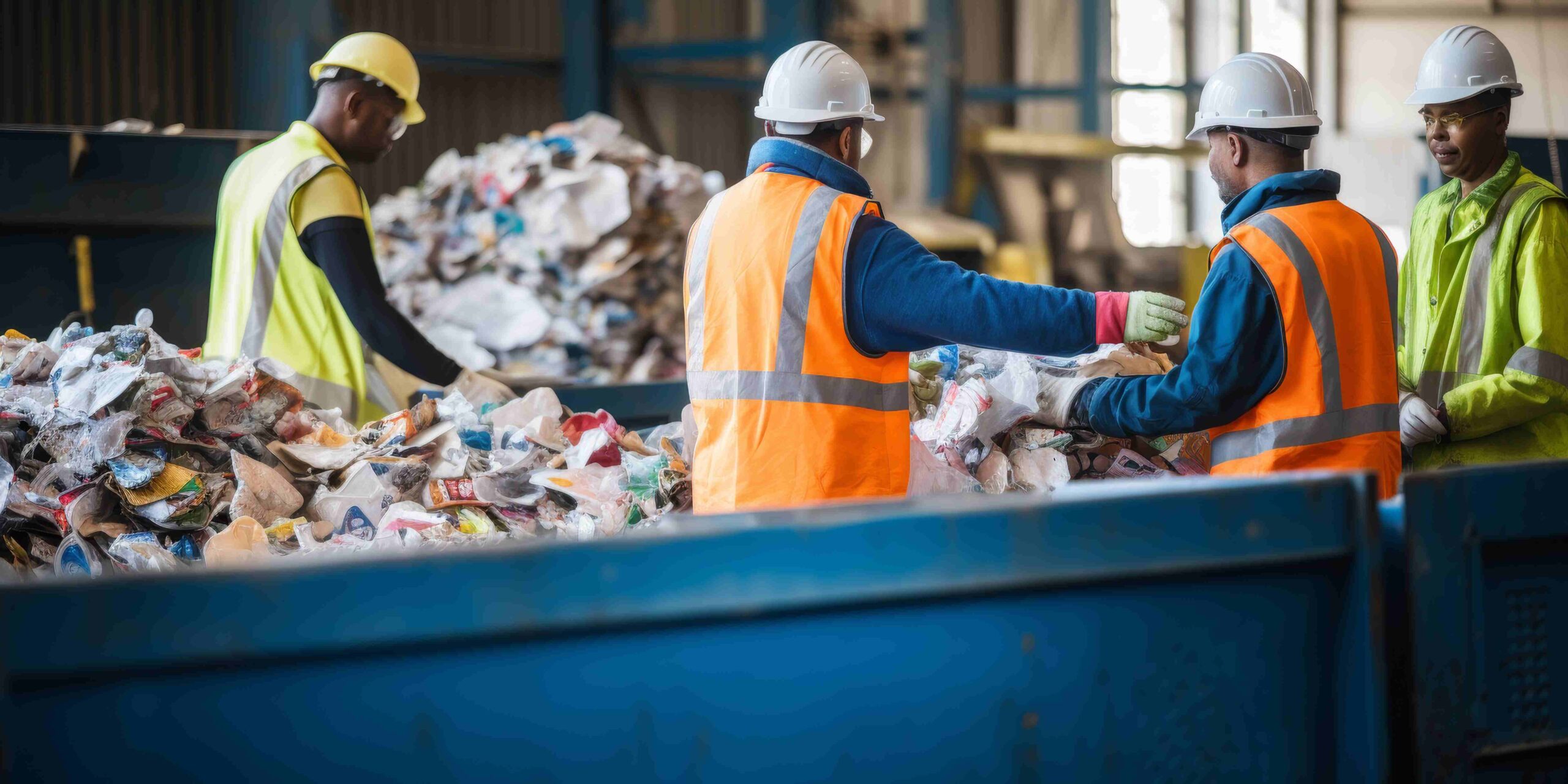
- Rapid urban development has led to increasing volumes of municipal solid waste.
- High consumption patterns and reliance on single-use plastics remain widespread.
- Food waste is a major challenge, with large quantities discarded daily across households, restaurants, and hospitality sectors.
- Inconsistent collection schedules in some residential areas lead to overflowing bins and hygiene concerns.
- Improper segregation of waste reduces recycling efficiency and increases landfill loads.
- Extreme weather conditions accelerate decomposition, causing odors and pest problems in the summer months.
- Illegal dumping and overflow in non-designated areas pose health and environmental risks.
- Limited access in high-density or gated communities makes waste collection more complex, requiring tailored solutions.
National Vision and Waste Reduction Efforts

- National Vision 2030: Qatar’s long-term framework emphasizes balancing economic growth with environmental protection. Sustainability is one of its four pillars, guiding strategies for waste reduction, recycling, and renewable energy adoption.
- Expansion of municipal recycling facilities to encourage segregation of plastics, paper, and metals.
- Pilot projects for waste-to-energy plants, converting solid waste into electricity.
- National workshops, including a 2025 sustainability workshop, aimed at raising awareness and building capacity for waste management.
- By 2023, Al Meera supermarkets reported recycling over 45.5 million bottles, and the initiative has continued to grow. By 2026, Al Meera and other retailers such as Lulu Hypermarket will have expanded collection points for plastic bottles and cans, rewarding customers with vouchers or coins to encourage sustainable consumer habits.
- Retailers are increasingly adopting eco-friendly packaging and encouraging reusable shopping bags.
- Community-driven efforts remain strong. Since 2024, volunteer groups and NGOs have organized multiple beach clean-ups across Qatar’s coastline, including campaigns at Simaisma Beach and other popular sites. These events, often conducted in collaboration with the Ministry of Municipality and local universities, have become regular fixtures, raising awareness and actively removing waste from marine environments.
- Schools and universities run campaigns to promote waste segregation and eco-friendly practices among students.
- Residential communities are encouraged to compost organic waste and reduce food waste at the household level.
- Integration of smart bins and monitoring systems to improve collection efficiency.
.jpeg)
Simple Steps to Reduce Waste
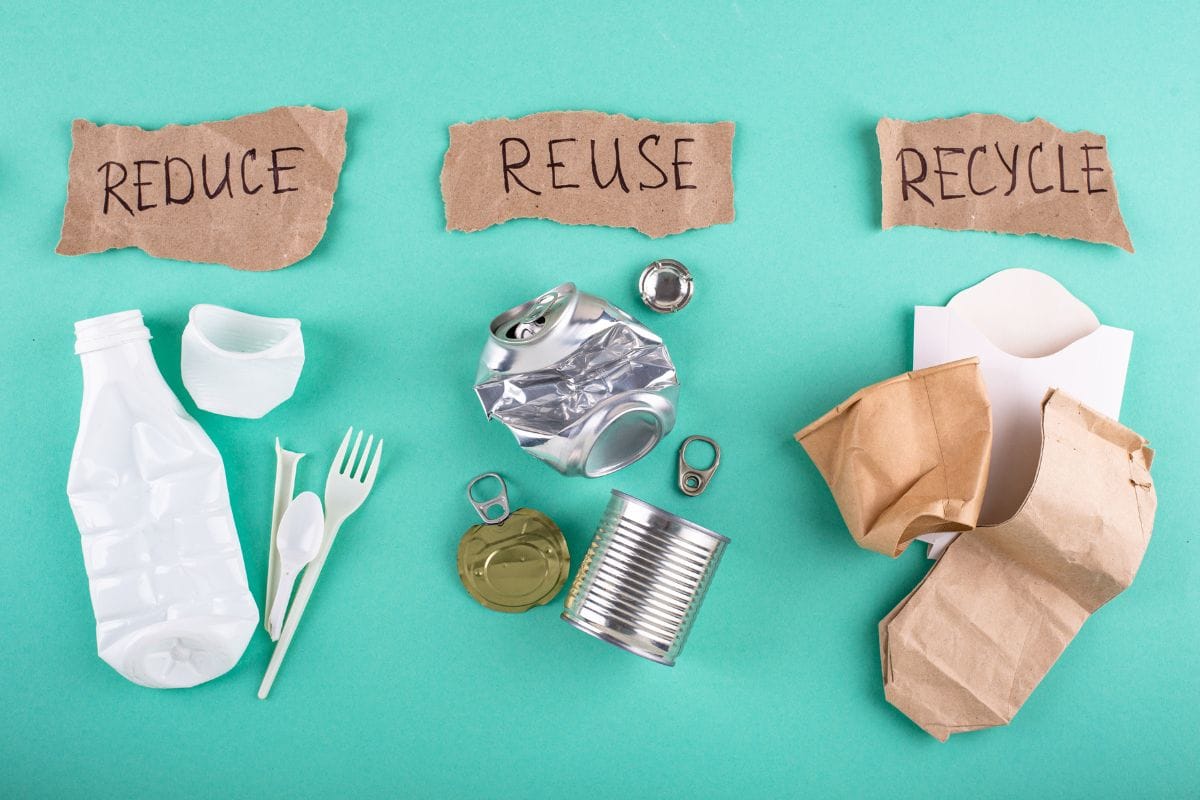
- Practice waste segregation: Separate recyclables like paper, plastics, and metals from general waste.
- Limit single-use plastics: Carry reusable bags, bottles, and containers to reduce plastic dependency.
- Reduce food waste: Plan meals carefully, store food properly, and donate surplus when possible.
- Reuse and repurpose: Find new uses for items instead of discarding them. Upcycling household goods helps cut waste.
- Compost organic waste: Convert kitchen scraps into compost for gardens, reducing landfill pressure.
- Support recycling programs: Use municipal recycling bins and participate in community initiatives.
- Choose sustainable products: Opt for items with minimal packaging or made from recycled materials.
The International Day of Zero Waste serves as a reminder that sustainability is not only a global responsibility but also a local necessity. Qatar’s commitment, guided by its National Vision 2030, demonstrates how policy, innovation, and community engagement can work together to reduce waste and protect the environment. While government programs and recycling initiatives lay the foundation, individual actions such as reducing food waste, limiting single-use plastics, and supporting recycling are equally vital. By combining national ambition with everyday responsibility, Qatar is steadily moving toward a greener, more sustainable tomorrow.
_29-13-2026_07-13.jpg)
.jpg)
.jpg)


_20-08-2026_05-08.jpg)
_27-51-2026_11-51.png)
_27-43-2026_12-43.png)



.jpg)
.jpg)




.jpg)


.jpg)
.png)
.jpg)













Leave a comment