


 By Roysten Xavier - July 19, 2026
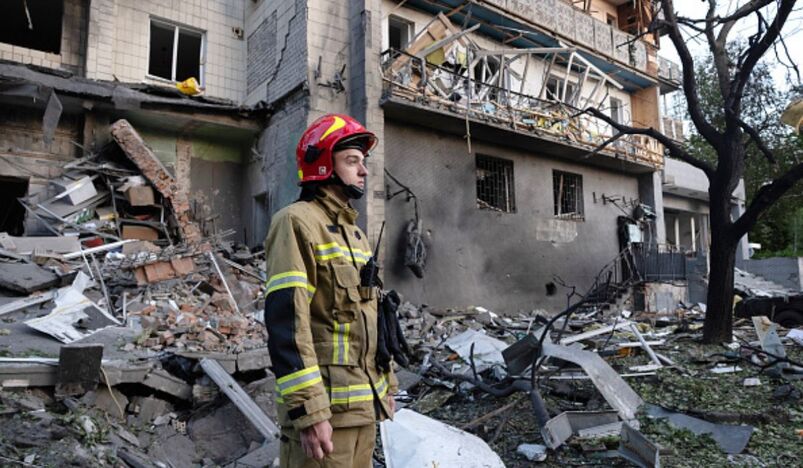
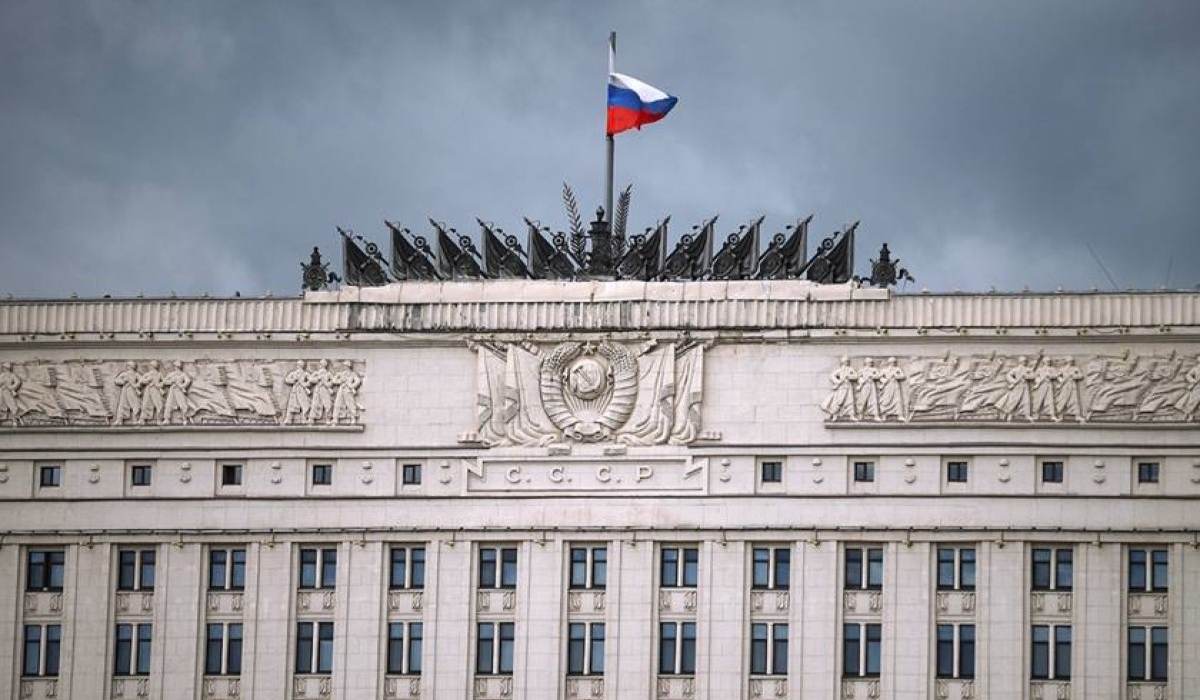
Russia’s Defense Ministry said its forces had carried out heavy strikes on the Ukrainian capital, describing the targets as military-industrial plants and infrastructure supporting Ukraine’s war effort. Ukrainian officials and independent reporting said residential areas and civilian infrastructure were also damaged, underscoring the sharply competing accounts that have marked Russia’s intensifying long-range campaign.
What Moscow says it hit
The ministry said the strikes were delivered with long-range, high-precision weapons and drones, and that all designated targets were hit. In recent statements it has named specific Kyiv facilities — among them plants it says produce or assemble drones, missiles and electronic components for Ukraine’s armed forces — along with fuel depots and, in separate strikes, port infrastructure in the Odesa region used to move military cargo and fuel.
Moscow casts the campaign as retaliation for Ukrainian attacks on Russian territory, and has signaled it intends to keep going. Kremlin spokesman Dmitry Peskov said Russia would continue to increase pressure on Kyiv to achieve its objectives.
Ukraine’s account
Kyiv and outside observers have painted a different picture of the toll. Ukrainian authorities say that across several waves of strikes this month much of the damage fell on apartment blocks and civilian infrastructure, with dozens of civilians killed and many more wounded in the capital. The United Nations’ top aid official in Ukraine described the scale of human suffering at strike sites as unbearable to witness.
Ukrainian military officials have attributed the civilian toll in part to a shortage of air-defense interceptors, saying that on some nights the bulk of incoming ballistic missiles could not be shot down — a gap President Volodymyr Zelensky has cited in renewed appeals for additional Western Patriot systems.
A two-way exchange
The strikes on Kyiv are part of a widening reciprocal air war. Over the same period, Ukraine has pressed its own long-range drone campaign deep inside Russia, targeting energy and military-linked sites and, more recently, commercial logistics hubs; Russian regional officials reported several people killed and dozens wounded in overnight drone attacks. Ukraine also said it struck vessels linked to Russia’s “shadow fleet” in the Black Sea and the Sea of Azov, while a Russian strike on a cargo ship in the Odesa region killed one crew member.
The wider picture
The escalation plays out against a fraught diplomatic backdrop, with Ukraine pressing Western partners for more air defenses and Russia contending with a domestic fuel squeeze driven by Ukrainian strikes on its refineries. Both capitals have signaled a readiness to continue, and there was no sign either side was preparing to ease its long-range campaign.
A note on verification
Battlefield claims from both governments are difficult to confirm independently, and accounts of exactly what was struck — and with what effect — frequently diverge. Russia maintains it targets only military and military-industrial sites; Ukraine and international monitors have repeatedly documented damage to homes and civilian facilities. Readers should treat figures on both sides as provisional pending independent confirmation.
This is a developing story. Details are drawn from statements by Russia’s Defense Ministry and the Kremlin, Ukrainian authorities and President Zelensky, the United Nations, and reporting by CNN, Bloomberg, TASS, Kyiv Post, Ukrinform and others (July 18, 2026). Claims by the warring parties are contested and should be reconfirmed against the latest independent sources before publication.


_21-47-2026_02-47.jpg)

_20-08-2026_05-08.jpg)
_27-51-2026_11-51.png)
_27-43-2026_12-43.png)



.jpg)
.jpg)




.jpg)


.jpg)
.png)
.jpg)













Leave a comment