


 By Hannah Grace - February 09, 2026

Every year on the second Monday of February, the world observes International Epilepsy Day, a global awareness initiative led by the International Bureau for Epilepsy (IBE) and the International League Against Epilepsy (ILAE). The day serves as an opportunity to raise understanding of epilepsy, a neurological condition affecting more than 50 million people worldwide. It provides a platform to challenge stigma, highlight lived experiences, and advocate for better access to treatment, support, and inclusion for all those living with the condition.
Understanding Epilepsy :
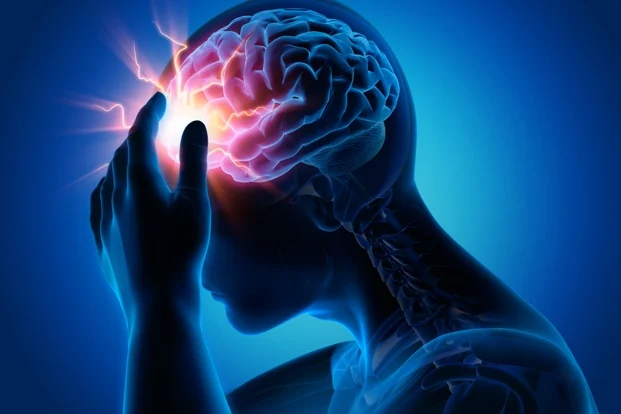
Epilepsy is a chronic, noncommunicable disease of the brain that affects people of all ages. Characterized by recurrent seizures, it is one of the most common neurological conditions worldwide, impacting around 50 million people. Seizures result from excessive electrical discharges in groups of brain cells, and their effects can range from brief lapses of attention or muscle jerks to severe convulsions and loss of consciousness.
Globally, nearly 80% of people with epilepsy live in low- and middle-income countries, where access to treatment remains limited. Yet, medical evidence shows that up to 70% of individuals could live seizure-free if properly diagnosed and treated. Despite this, three-quarters of patients in low-income regions do not receive the care they need, contributing to a risk of premature death that is up to three times higher than in the general population.
Beyond the medical challenges, epilepsy has long been surrounded by fear, misunderstanding, and stigma. These misconceptions can affect education, employment, and social inclusion, making awareness initiatives vital for improving quality of life.
Epilepsy in Qatar & Why Awareness Matters:
In Qatar, epilepsy care and awareness have long been a priority. Hamad Medical Corporation (HMC) has historically reported treating around 2,000 epilepsy cases annually, with inherited epilepsy accounting for more than 10% of cases and symptomatic epilepsy often linked to road accidents, infections, or stroke. While comprehensive national data remains limited, experts anticipate that the incidence of epilepsy will continue to rise as the population grows and diagnostic services expand.
Beyond treatment, HMC and its partners have organized symposiums, lectures, and training programs to strengthen clinical expertise and raise public awareness. These initiatives emphasize that with proper medication and support, people with epilepsy can lead full and active lives.
Research institutions such as Hamad bin Khalifa University (HBKU)’s Neurological Disorders Research Center are also advancing studies into epilepsy and related neurological conditions, contributing to regional knowledge and innovation.
Awareness matters because epilepsy is not only a medical condition but also a social challenge. Misconceptions and stigma can affect education, employment, and everyday life. By investing in awareness campaigns, supporting research, and expanding specialized care, Qatar is working to ensure that individuals with epilepsy can live with dignity, safety, and opportunity.
Causes, Prevention, and Risk Reduction :
Epilepsy can arise from many different factors, though in many cases the exact cause remains unknown. Globally, causes are grouped into structural, genetic, infectious, metabolic, immune, or unexplained categories. Common contributors include genetic predisposition, brain damage from birth complications, head trauma, stroke, brain infections such as meningitis or encephalitis, tumors, and substance misuse. In Qatar, symptomatic epilepsy has often been linked to road traffic accidents, infections, and stroke in older adults, reflecting local health and lifestyle risks.
While not all cases of epilepsy can be prevented, many risk factors can be reduced through proactive measures. Preventing head injuries by wearing seat belts and helmets, managing cardiovascular health to lower stroke risk, and ensuring timely vaccination and treatment of infections are all critical steps. Avoiding alcohol and drug misuse, creating safe environments to prevent falls or seizure-related injuries, and adopting healthy lifestyle habits such as adequate sleep, stress management, balanced nutrition, and regular medical consultations can also support better seizure control. Together, these strategies highlight how awareness and prevention can reduce the burden of epilepsy and improve quality of life.
Qatar’s Path Forward:
Qatar is steadily advancing its capacity to provide world-class epilepsy care. At the forefront is Sidra Medicine’s Epilepsy Surgery Program, which offers specialized surgical treatments for children with medication-resistant epilepsy. Through a careful evaluation process including video EEG monitoring, MRI, PET, and SPECT scans, and neuropsychological assessments, multidisciplinary teams identify the brain regions responsible for seizures and determine the best surgical approach.
Procedures such as temporal lobectomy, lesionectomy, hemispherectomy, corpus callosotomy, and vagus nerve stimulation (VNS) implants are performed with ointernationally comparable outcomes internationally comparable outcomes. Sidra’s state-of-the-art facilities, including a six-bed Epilepsy Monitoring Unit and advanced neuroimaging technologies, ensure that children receive safe, effective, and cutting-edge care.
These initiatives complement the broader efforts of Hamad Medical Corporation( HMC) and Hamad Bin Khalifa University (HBKU)’s Neurological Disorders Research Center, which continues to expand awareness campaigns, research studies, and clinical expertise. Together, they represent Qatar’s commitment to reducing the epilepsy treatment gap, fostering inclusion, and building a future where individuals with epilepsy can live full and dignified lives.
International Epilepsy Day reminds us that while epilepsy is one of the world’s oldest recognized conditions, it remains surrounded by stigma and misunderstanding. In Qatar, the growing investment in awareness campaigns, advanced treatment programs, and research reflects a commitment to improving lives and reducing the burden of the disease. By combining global solidarity with local innovation, the path forward is clear - ensure dignity, inclusion, and opportunity for every individual living with epilepsy.



_20-08-2026_05-08.jpg)
_27-51-2026_11-51.png)
_27-43-2026_12-43.png)



.jpg)
.jpg)




.jpg)


.jpg)
.png)
.jpg)













Leave a comment