


 By Guest - February 09, 2026
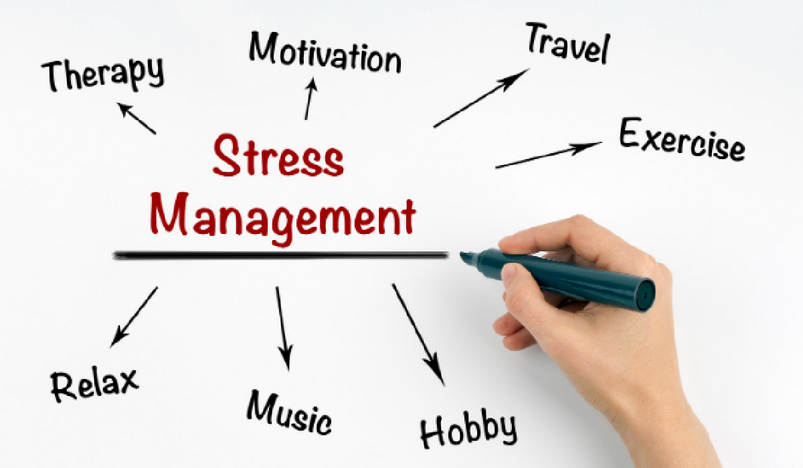
Relocating to Qatar is a huge step for many people and can be an incredibly exciting turning point. For many expatriates, moving to a place such as Qatar offers career progression, financial incentives and an all-round better standard of living.
However, beneath all of this, expat life can also bring a number of different struggles. For example, stress, loneliness and substance misuse are issues that affect a lot of people who have travelled to live abroad.
In a country such as Qatar where alcohol is tightly regulated, conversations around drinking, detox, rehab and addiction can feel especially complicated and stigmatised. This can lead to unhealthy coping mechanisms which then makes the signs and symptoms harder to spot and therefore also harder to treat.
This article discusses the realities of wellbeing in Qatar, why stress and isolation can lead to substance misuse and what practical steps expats can take to protect their mental and physical health without turning to addictive substances.
Qatar - Opportunity and Pressure
Qatar’s expat population makes up the vast majority of its residents. Professionals arrive from the UK, Europe, Asia, Africa and even beyond. When people move to Qatar, they have incredibly high expectations and ambitious goals when it comes to their career and to their income. While many thrive in this environment, the adjustment period can be intense and for a lot of people it can be surreal.
There are a number of common pressures that include stressful work environments, long hours, demanding contracts and more responsibility. Likewise, whenever you move to a new country there is a period of cultural adaptation and social boundaries to understand. You also need to factor in the fact that you might feel particularly lonely being away from family and familiar support systems.
Over time, these pressures can build up and often result in a mental health crisis. Without healthy outlets, this stress can turn into anxiety, burnout or dependence on substances as a form of relief from the emotion and pressure you are feeling.
Loneliness in Qatar
One of the most underestimated challenges for anyone who lives in a different country to their family and friends is loneliness. Doha is social, busy and diverse. However, many expats report feeling disconnected and lonely during their time there. All too often, any form of socialising can revolve around work and friendships may feel top level and transient.
Loneliness often stems from a lack of true and deep friendships, cultural differences in communication, living alone in a small flat and difficulty expressing vulnerability to people who aren’t familiar to you.
When loneliness lingers for too long, it can push people towards unhealthy coping mechanisms such as alcohol, drugs or even gambling. This may initially feel like a relief but can quickly turn into unhealthy habits that become difficult to break.
Substance Abuse in Qatar
In expat communities such as Qatar, substance abuse often begins subtly. For a lot of people, substance abuse can look like an increase in drinking during weekends, the need to drink some alcohol to relax after work, or simply using addictive substances to manage sleep, anxiety, loneliness or simply boredom.
Despite Qatar’s strict laws surrounding alcohol abuse, alcohol consumption does exist within licensed venues and private spaces. For some expats, the restricted access can even intensify binge style drinking when there is the opportunity to do so. This can lead to some serious consequences.
There are a number of different warning signs that someone is becoming increasingly addicted to addictive substances in a place like Qatar. For example, people who start to drink or abuse substances to cope with emotions might be struggling from some form of dependency.
Likewise, people who are struggling from addiction issues often show a lack of interest in non-work activities, such as hobbies that they were once interested in. Likewise, people addicted to alcohol often feel irritable or low in mood.
When someone suffers from an addiction to drugs or alcohol, it is important to understand that addiction is not a moral failing. In fact, addiction is a health issue that often happens due to severe pressure, isolation and prolonged stress.
What is the Difference between Alcohol Rehab and Alcohol Detox?
Within certain expat communities, there is often a misunderstanding surrounding alcohol rehab and alcohol detox. When recovering, it is vital to understand the difference. Alcohol detox is when you withdraw from abusing addictive substances, slowly and safely removing alcohol or drugs from the body, usually under 24/7 medical supervision.
Alcohol and drug rehab on the other hand, focuses on addressing the psychological and behavioural parts of addiction. This will usually consist of months of therapy and counselling to help people to overcome the root cause of their addiction, such as trauma or mental health issues. This could include mental health issues such as depression or anxiety.
When it comes to addiction, many people delay seeking help because the fear of stigma stops them from doing so, which can be particularly true in a place like Qatar. However, early intervention can prevent addiction from escalating into a severe addiction which can be incredibly hard to recover from.
While detox alone may rid the body of addictive substances, attending drug and alcohol rehab addresses the root causes of substance abuse which can include stress, trauma and even loneliness.
Why are Expats at Higher Risk of Addiction?
Expats often face a number of different factors that make them more vulnerable to becoming addicted to drugs or alcohol. This includes things such as particularly high disposable income, reduced accountability due to distance from family and friends as well as pressure to appear successful.
Addiction when you are away from loved ones can develop quietly but very quickly, especially when success at work masks any personal struggles that you might be struggling from. Without close and trusted support networks, many expats living abroad attempt self-managed detoxes, which do not work when it comes to long term recovery.
Healthy Coping Strategies
Struggling with an addiction to drugs or alcohol can be incredibly hard, especially if you are away from loved ones. The good news is that there are a number of different things that you can do to significantly reduce the risk of addiction and improve your overall wellbeing. Some of these coping strategies are listed below for you.
1. Create Structure
When work dominates your life, the stress that you feel multiplies. This is why it is important to focus on building structure outside of the work office. You need hobbies in order to decompress from a hard day at the office, and by finding hobbies that you are interested in you are also a lot more likely to build better and deeper connections with people you meet. You should start by looking into joining a sports club, gym, or fitness group.
Likewise, you could also consider exploring creative outlets like photography or writing, or volunteering to attend community events. By making these hobbies part of your routine, you will be creating stability in your life and reduce reliance on addictive substances for stimulation or relaxation.
2. Build Real Social Connections
As discussed above, superficial friendships and relationships can still leave people feeling lonely. You should try to focus on fewer, deeper connections with people that you meet. You should seek friendships based on shared interests rather than convenience or simply because you work together.
Likewise, you could choose to attend smaller gatherings instead of large networking events. You should also try to be honest about the challenges that you are facing with trusted people. Loneliness thrives in silence, but connection with people you trust and love makes it harder for addiction to take control.
3. Be Mindful about Drinking Culture
If all of your social life revolves around drinking alcohol or consuming addictive substances, then it becomes harder to notice when habits start to shift. If you are socialising whilst drinking, then try to alternate alcoholic drinks with non-alcoholic options or even try to suggest activities that do not involve drinking.
If you are trying to avoid becoming dependent or reliant on addictive substances, then you need to try to learn what your triggers are and work out strategies on how you can avoid them.
Mental Health Support in Qatar
Thankfully, mental health support services in Qatar have improved significantly over the past few years. Expats who live in Qatar now have access to private therapists, better employee assistance programmes in the workplace and access to a number of different online therapy platforms, and alcohol rehab in Qatar. There are also now an increasing number of Government-supported wellbeing initiatives currently emerging and under review.
When it comes to mental health issues, reaching out early can prevent them from getting significantly worse. This can come in the form of therapy, which isn’t just for crisis moments. Therapy should be used as a proactive tool for resilience and healthy mental health.
Recognising When Help Is Needed
Sometimes, it can be hard to acknowledge when professional help is needed. When you are in the thick of addiction, it is sometimes hard to see the wood through the trees. It is time to consider professional help when any attempts to self-regulate drinking repeatedly fail and your substance abuse is starting to affect work or personal relationships.
Likewise, it is time to get professional help when anxiety, depression or sleep issues get worse. Often, mental health issues make addiction issues worse and vice versa. This is why it is incredibly important to break the chain and get the help that you need.
Conclusion
If you are an expat living in Qatar, then it is important to understand that feeling overwhelmed or isolated is normal. However, when these feelings of overwhelm, stress and loneliness start to get too much and present themselves in the form of mental health issues or substance abuse, then you know it is time to get professional help.
If you are struggling with addiction or mental health issues then it is important to remember that you are not alone and that support exists. Stress and loneliness are not personal weaknesses. Instead, they are human responses to change.
Whether through lifestyle adjustments, therapy, detox, rehab, or simply opening up to someone you trust, it is important to understand that help is available. Early intervention and addressing addiction early protect not just your health, but your entire future.
Living abroad should expand your life, not make it worse. With the right support, living in Qatar can improve your life, bring you new and better opportunities and happiness.

_20-08-2026_05-08.jpg)
_27-51-2026_11-51.png)
_27-43-2026_12-43.png)



.jpg)
.jpg)




.jpg)


.jpg)
.png)
.jpg)













Leave a comment