


 By Gladies Rajan - July 13, 2026
_13-33-2026_11-33.jpg)
PM Shehbaz Sharif will travel to Doha to personally offer condolences, as Pakistan's leadership pays tribute to a man they call a great leader and statesman
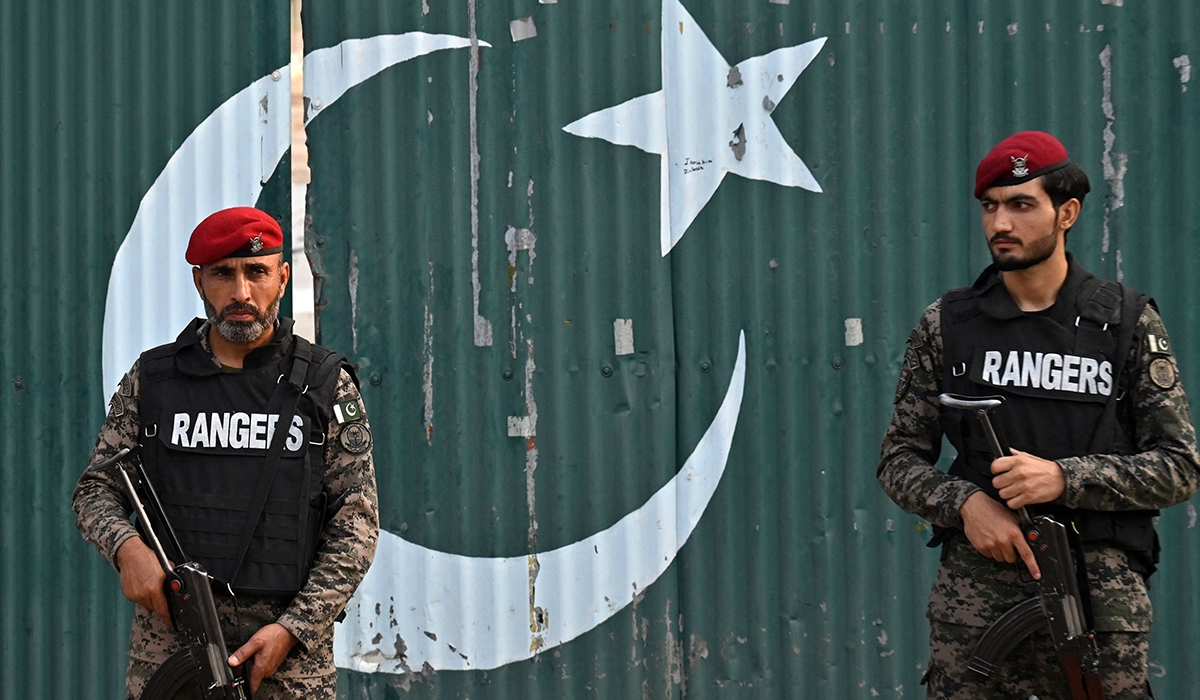
The Government of Pakistan has declared a national day of mourning on Monday following the passing of Sheikh Hamad bin Khalifa Al Thani, the Father Amir of Qatar, who died Sunday at the age of 74. According to a notification issued by the Cabinet Division and shared by the Prime Minister's Office, the national flag will fly at half-mast throughout the country for the duration of the mourning period.
In an official statement, the government said Prime Minister Muhammad Shehbaz Sharif declared the day of mourning as an expression of the fraternal solidarity of the government and people of Pakistan with the ruling family, government, and people of Qatar during this time of grief.
A Personal Visit to Doha
Beyond the formal mourning declaration, Prime Minister Sharif is set to travel to Qatar on a day-long official visit to personally offer condolences to Qatari leadership, according to sources in the Prime Minister's Office. Sharif is expected to meet with Qatar's Emir, Sheikh Tamim bin Hamad Al Thani, accompanied by Deputy Prime Minister and Foreign Minister Ishaq Dar and other senior officials. Sources indicate the premier is also expected to discuss the fresh exchange of attacks between the United States and Iran, which has complicated ongoing regional mediation efforts.
Tributes From Pakistan's Leadership
Prime Minister Sharif, President Asif Ali Zardari, and Deputy Prime Minister Dar all extended condolences to the Al Thani family and the people of Qatar on behalf of the Pakistani government and nation. "Deeply saddened by the passing away of His Highness Sheikh Hamad bin Khalifa Al Thani," Sharif wrote on social media, describing the late Father Amir as a great leader and statesman whose wisdom, foresight, and dedication to public service transformed Qatar into a modern, prosperous, and globally respected nation.
Sharif added that Sheikh Hamad's enduring contributions to Qatar's welfare, as well as to regional peace, development, and international cooperation, will be remembered for generations, and said Pakistan would always cherish the late leader's warmth and deep affection for the country, along with fond memories of his many visits there.
President Zardari separately paid tribute to Sheikh Hamad's visionary leadership and his contributions to Qatar's progress and to regional peace and cooperation, while Deputy Prime Minister Dar recalled the pivotal role Sheikh Hamad played in Qatar's modern development and in strengthening the bonds of friendship between the two countries.
Part of a Global Wave of Mourning
Pakistan's declaration joins a broad wave of official mourning announced across the region and beyond. Qatar itself declared four days of national mourning, with government agencies and public bodies suspending work and flags lowered nationwide. India, Lebanon, Jordan, Kuwait, Bahrain, the UAE, and Palestine have all separately announced mourning periods of their own, with flags lowered to half-mast and official programming adjusted as a mark of respect.
A Legacy That Reshaped Qatar
Sheikh Hamad ruled Qatar from 1995 to 2013, coming to power in a bloodless takeover from his father while the latter was abroad, and is widely regarded as the principal architect of the country's modern development. He inherited a small, largely marginal emirate with nearly empty coffers and transformed it into a major regional and international player, presiding over the country's emergence as the world's largest exporter of liquefied natural gas and the 1996 founding of Al Jazeera, which grew into one of the world's most influential media networks.
In June 2013, Sheikh Hamad voluntarily abdicated in favor of his son, Sheikh Tamim bin Hamad Al Thani, a first in the recent history of the Arab world, in a peaceful transition that stood in contrast to the succession patterns typical of hereditary Gulf rule.

_07-53-2026_11-53.jpg)

_20-08-2026_05-08.jpg)
_27-51-2026_11-51.png)
_27-43-2026_12-43.png)


.jpg)
.jpg)


.jpg)


.jpg)
.png)
.jpg)












Leave a comment