


 By neha - June 23, 2026
A new round of talks between the United States and Iran opened in Washington on Tuesday. The negotiations aim to finalize a lasting peace deal following months of war that disrupted oil shipping and rattled global markets. At the same time, fighting between Israel and Hezbollah in Lebanon continued to threaten the fragile process.
Trump claims a breakthrough on nuclear inspections
President Donald Trump said on social media that Iran has agreed to allow the highest level of nuclear inspections far into the future. He framed the move as a guarantee of what he called "nuclear honesty," adding that talks would have stopped without it. Trump said the agreement and other concessions from Iran led him to keep the Strait of Hormuz open, with no further US naval blockade.
Trump also claimed that 19 million barrels of oil moved through the Strait of Hormuz on Monday, calling it an all-time record. He said oil prices were falling as a result. Those figures have not been independently verified.
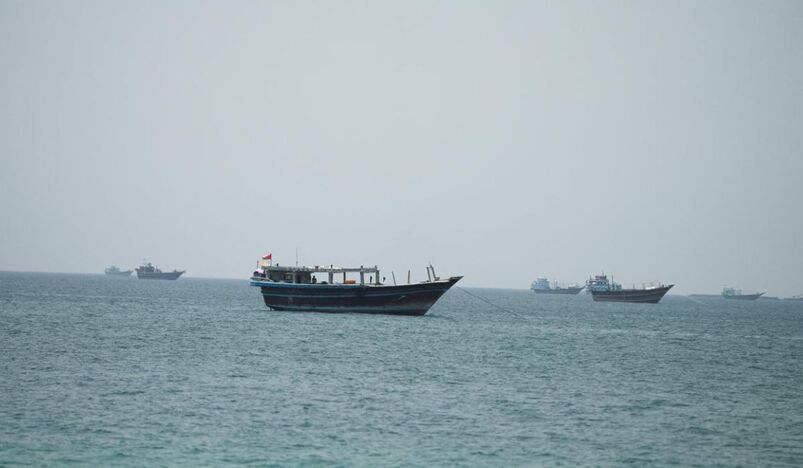
The Strait of Hormuz has been at the center of the conflict's economic fallout. Iran shut down much of the traffic through the waterway after the war began in February, and global shipping data showed steep drops in oil and gas tankers moving through the route. Roughly a fifth of the world's oil and liquefied natural gas normally passes through the strait each year.
Lebanon remains the most fragile piece of the deal
Tensions in Lebanon continue to test the broader ceasefire. The Israel Defense Forces said it struck gunmen operating near its troops in Lebanon on Tuesday. Hezbollah said the strike violated the existing truce and said two people killed in the incident were civilians.
Israeli Finance Minister Bezalel Smotrich said Israeli forces would not withdraw from Lebanon as long as Hezbollah continues to exist there. Iran has repeatedly said that a halt to Israeli strikes in Lebanon is a precondition for its own negotiations with Washington to move forward. Lebanon's prime minister has said he will not allow any outside party to negotiate on Beirut's behalf.
Netanyahu calls for military independence from the US
Speaking to reserve combat officers in the West Bank's Gush Etzion on Tuesday, Israeli Prime Minister Benjamin Netanyahu said Israel needs to reduce its military dependence on the United States. He said Israel must build its own weapons production capacity to sustain its ongoing campaign against Iran and Iran-backed groups. Netanyahu added that the conflict with Iran and its proxies is not over, even after months of fighting and a signed memorandum with Washington.
Where the broader peace process stands
The war began on February 28, when the United States and Israel launched coordinated strikes on Iran, killing Supreme Leader Ali Khamenei. Iran retaliated with missile and drone attacks on Israel and US bases across the region. Iran also closed the Strait of Hormuz to ships linked to the US, Israel, and their allies, triggering a sharp global oil price spike.
A ceasefire took hold in early April, and mediators from Pakistan and Qatar later helped broker a formal memorandum of understanding. Trump and Iranian President Masoud Pezeshkian signed that memorandum on June 17. It set a 60 day window to finalize a deal on Iran's nuclear program, alongside commitments to lift US sanctions, reduce American military presence in the region, and support Iran's reconstruction.
Iranian Foreign Minister Abbas Araghchi and President Pezeshkian traveled to Pakistan on Tuesday, where Islamabad continues to serve as a mediator between Tehran and Washington. Iran has separately said it currently has no plans to allow International Atomic Energy Agency inspections of nuclear sites damaged during the war.
Why it matters beyond the region
Even with talks underway, normal shipping through the Strait of Hormuz has yet to fully resume. Trade analysts have estimated that full traffic levels may not return until 2027, even if a final deal is reached soon. The disruption has already pushed up fuel costs in parts of Asia that depend heavily on Gulf oil supplies, and it has reshaped global shipping routes for months.
For now, the Washington talks and the situation in Lebanon are likely to determine whether the ceasefire holds or unravels further.



_20-08-2026_05-08.jpg)
_27-51-2026_11-51.png)
_27-43-2026_12-43.png)



.jpg)
.jpg)



.jpg)


.jpg)
.png)
.jpg)













Leave a comment