


 By Simran - July 03, 2026
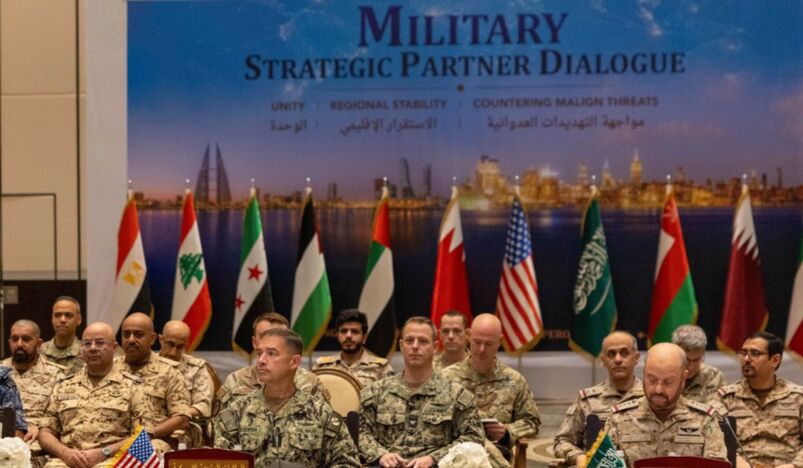
The Islamic Republic has dismissed new U.S. Central Command (CENTCOM) claims regarding the issue of security and navigation in the Strait of Hormuz, contending that the critical waterway actually comes under Iran's watchful eye rather than that of U.S. military forces.
CENTCOM's comments followed the announcement of a meeting in Bahrain on 1 July between defence officials from Qatar, Saudi Arabia, the UAE, Bahrain, Egypt, Jordan, Kuwait and Lebanon,Russia (in Moscow), Oman (in Muscat) US.
Iran: Strait of Hormuz Is Under Tehran's Authority
Kazem Gharibabadi, Iran's Deputy Foreign Minister for Legal and International Affairs rejected the CENTCOM statements as saying that there is no legal authority over the Strait of Hormuz and it belongs to Iran.
He stated that:
-
Iran (not CENTCOM) is leading the Strait of Hormuz.
-
A military summit in Bahrain can not shape the legal order (or lack thereof) or security in the Persian Gulf.
-
Security in our region should not be an order given from the United States via, again, a foreign military presence.
-
His comments had been published on social media shortly after the Bahrain summit ended.
CENTCOM Highlights Regional Security Cooperation
It said the discussion was aimed at strengthening defence cooperation and maintaining free navigation through the Strait of Hormuz, one of the world's most vital energy shipping routes.
Key discussion points included:
Enhancing regional defence cooperation.
Preserving the maritime security and freedom of navigation
The changing regional security environment
Securing international trade passing through the Strait of Hormuz.
It was also the first attendance of military leaders from Syria and Lebanon at a U.S.-led regional defence conference.
U.S. Reaffirms Commitment to Regional Partners
According to CENTCOM Commander Admiral Brad Cooper, the United States continues its commitment to working "shoulder to shoulder" with regional partners in efforts toward security, stability and safe maritime travel throughout the Gulf.
The talks underscored the continued cooperation of the U.S. with partners in the region to protect one of the world's busiest maritime trade corridors.
Regional Tensions Continue
This exchange illustrates the enduring differences between Tehran and Washington over security arrangements in the Gulf. Iran continues to oppose a U.S.’s security presence in the Persian gulf, and Gulf nations, including Qatar, remain committed both to dialogue and regional cooperation.
Though plagued by ongoing geopolitical vibes, the Strait of Hormuz remains the most strategic waterway as the key route for more than one-third of the world share of oil and energy exports translating a region stability into an international matter.


_02-32-2026_12-32.jpg)



_20-08-2026_05-08.jpg)
_27-51-2026_11-51.png)
_27-43-2026_12-43.png)



.jpg)
.jpg)



.jpg)


.jpg)
.png)
.jpg)













Leave a comment