


 By neha - July 01, 2026
Most women brush off period changes as normal monthly noise. Sometimes those changes carry a far more serious message. Menstrual care goes far beyond picking a pad or tampon. It shapes comfort, hygiene and long term reproductive health.
Women across Qatar now have easier access to quality menstrual products and specialist care. This guide covers hygiene basics, product choices and five dangerous warning signs your body may be sending you.
Why Menstrual Hygiene Matters
Good menstrual hygiene prevents infections and keeps you comfortable each month. Trapped moisture from products worn too long can breed bacteria and fungi. This often leads to rashes or infections if ignored for days.
Follow these core habits during your period. Wash your hands before and after changing any menstrual product. Change sanitary pads every few hours, regardless of how light your flow feels. Change tampons every four to eight hours and never wear one past eight hours.
Clean menstrual cups daily and sanitize them after each cycle ends. Wear breathable cotton underwear instead of tight synthetic fabrics. Use only water to clean your vulva, since the vagina cleans itself naturally. Avoid scented pads, tampons or toilet paper, as these can irritate sensitive skin.
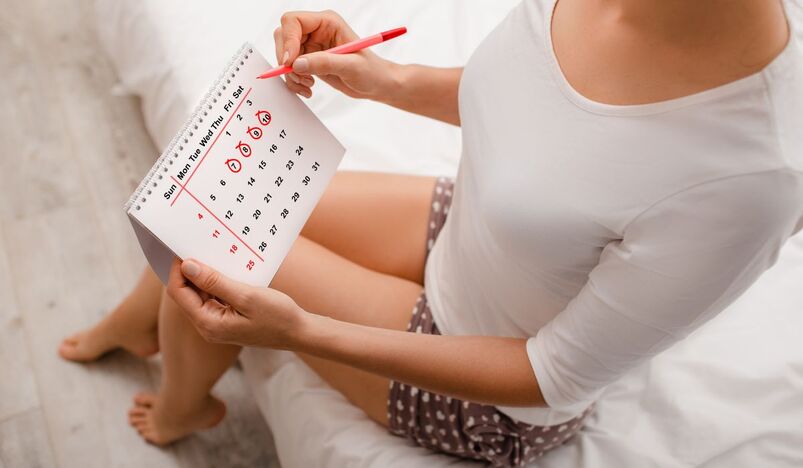
Tracking your cycle also helps you spot problems early. Irregular periods can signal thyroid issues, diabetes or hormonal imbalance. A simple calendar or period tracking app makes this easy to monitor.
Menstrual Product Options in Qatar
Women in Doha and across Qatar can now choose from a wide product range. Local pharmacies stock sanitary pads, panty liners, tampons and menstrual cups. Vitamin Pharmacy in Qatar lists menstrual cups, feminine washes and period pain relief devices online. Reusable options like menstrual cups offer a lower waste alternative to disposable pads.
Feminine intimate washes remain popular among shoppers seeking daily hygiene support. Choose unscented, pH balanced options rather than heavily fragranced washes. These gentler formulas protect your natural vaginal balance better than harsh cleansers.
Heat pads and TENS devices designed for period cramps are also available locally. These tools offer drug free relief for women dealing with painful cycles. Always read product instructions carefully before first use.
Your Period as a Health Signal
Doctors in Qatar increasingly view menstrual patterns as a window into overall health. A typical cycle runs 21 to 35 days, with bleeding lasting three to seven days. Significant changes to this pattern often point to an underlying issue.
Heavy bleeding, missed periods or severe pain deserve medical attention. These symptoms can relate to fibroids, PCOS, thyroid disorders or endometriosis. Doha gynecologists recommend early evaluation rather than waiting out repeated irregular cycles.
Annual wellness exams also matter for long term reproductive health. A pelvic exam and pap smear can catch problems before symptoms worsen. Regular checkups remain one of the simplest ways to protect your health.
Caring for Endometrial Health During Your Period
The endometrium is the uterine lining that sheds during menstruation. Hormonal shifts in estrogen and progesterone control this monthly cycle. Watching your period closely helps you notice unusual changes early.
Follow these tips to support endometrial health during your cycle. Maintain a healthy weight, since fat tissue can raise estrogen levels. Manage conditions like diabetes with your doctor's guidance and support. Ask your provider about hormonal birth control, which may lower long term risk. Report any bleeding between periods to your doctor without delay. Keep a record of your cycle length and flow pattern every month.
These habits will not prevent every case of endometrial cancer. However, they support hormonal balance and help you notice changes sooner.
5 Warning Signs of Endometrial Cancer
Endometrial cancer is the most common cancer of the female reproductive system. Most cases develop after menopause, though younger women can be affected too. Catching it early greatly improves treatment success and survival outcomes.
Watch for these five warning signs during and between your periods.
- Bleeding between periods: Any spotting before menopause that falls outside your normal cycle needs evaluation.
- Bleeding after menopause: Even light spotting after menopause is never considered normal and should be checked.
- Unusually heavy or prolonged bleeding: Periods that last far longer or feel heavier than usual, especially after age 40, warrant attention.
- Pelvic pain or cramping: Persistent lower abdominal pain outside normal period cramps can signal a problem.
- Unusual vaginal discharge: Thin, watery discharge after menopause can be an early symptom worth reporting.
If you notice any of these signs, contact a gynecologist promptly. Early stage endometrial cancer has a five year survival rate near 95 percent. Diagnosis relies on pelvic exams, ultrasound and endometrial biopsy, not pap smears alone.
Frequently Asked Questions
Q: How often should I change a sanitary pad?
Change pads every few hours, and more often if your flow feels heavy.
Q: Where can I buy menstrual cups in Qatar?
Local pharmacies and online stores like Vitamin Pharmacy stock menstrual cups in different sizes.
Q: What menstrual changes need a doctor's attention?
See a doctor for bleeding between periods, heavy flow, severe pain or missed cycles.
Q: Can a pap smear detect endometrial cancer?
No. Pap smears screen for cervical cancer, not endometrial cancer. Diagnosis needs a biopsy.
Q: What is the biggest warning sign of endometrial cancer?
Abnormal vaginal bleeding, especially after menopause, is the most common early warning sign.

_20-08-2026_05-08.jpg)
_27-51-2026_11-51.png)
_27-43-2026_12-43.png)


.jpg)
.jpg)




.jpg)


.jpg)
.png)
.jpg)












Leave a comment