


 By Guest - August 23, 2026
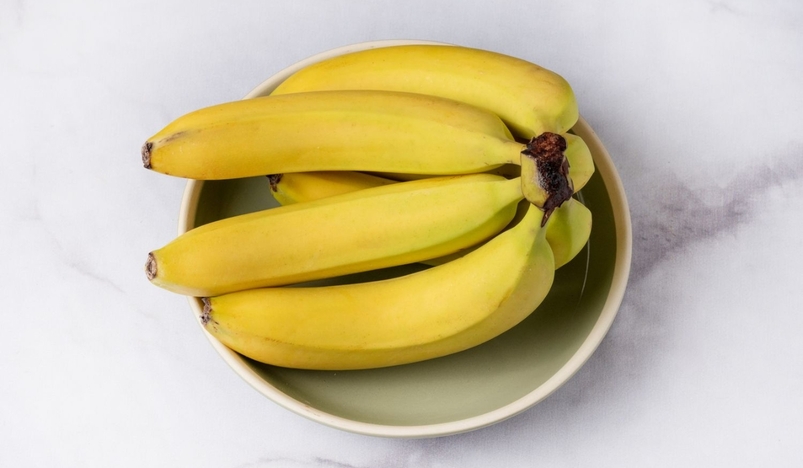
Bananas are one of the easiest breakfast foods around. They are inexpensive, portable, naturally sweet and packed with useful nutrients. So why do headlines sometimes tell people to cut bananas out of breakfast? The concern is usually not that bananas are “bad.” It is that a banana eaten on its own may not provide enough protein or fat to keep some people satisfied for long, and a very ripe banana can deliver carbohydrates more quickly than a less-ripe one.
For most healthy adults, there is no evidence-based reason to ban bananas from the morning meal. In fact, Harvard T.H. Chan School of Public Health describes bananas as a nutritious source of fiber, potassium, vitamin B6, magnesium and vitamin C. A medium banana provides roughly 100–110 calories, about 3 grams of fiber and more than 400 milligrams of potassium.
Why a banana alone may not be the most balanced breakfast
A banana is primarily a carbohydrate-rich fruit. It contains only a small amount of protein and almost no fat. That makes it useful for quick energy, but it may not be enough as a complete breakfast if you have a long morning ahead. Protein, fiber and healthy fats tend to make meals more satisfying and can slow digestion.
Cleveland Clinic dietitians recommend pairing bananas with a protein source — for example Greek yogurt, nuts, nut butter, eggs or cottage cheese — if you want a more filling meal. The American Diabetes Association also encourages balanced meals and snacks that combine carbohydrate foods with protein, healthy fats and fiber.
Ripeness changes how the carbohydrates behave
Bananas change as they ripen. Greener bananas contain more resistant starch, a type of carbohydrate that is digested more slowly. As a banana turns yellow and develops brown spots, some of that starch is converted into sugars that are absorbed more readily.
That does not make a ripe banana unhealthy. It simply means that people who closely monitor blood glucose may need to pay attention to portion size, ripeness and what else is in the meal. Harvard notes that bananas generally fall in the low-to-moderate glycemic range, while the American Diabetes Association lists fresh fruit — including bananas — as a suitable part of a diabetes meal plan when carbohydrates are accounted for.
Four reasons you might rethink a banana-only breakfast
• It may not keep you full for long. With little protein or fat, a banana on its own may leave some people hungry again before lunch.
• A very ripe banana can raise blood sugar faster. This matters most for people managing diabetes or prediabetes. Pairing it with protein or healthy fat can help create a more balanced meal.
• Your breakfast may be missing other nutrients. A complete morning meal can include whole grains, dairy or alternatives, nuts, seeds, eggs, vegetables or other protein-rich foods.
• Some people need to limit potassium. People with certain kidney conditions or hyperkalemia may be advised by a clinician to restrict high-potassium foods, including bananas.
Better ways to eat bananas at breakfast
Instead of cutting bananas out completely, upgrade the meal around them. A few simple combinations can make breakfast more balanced:
- Banana slices with plain Greek yogurt, oats and a handful of nuts
- Whole-grain toast topped with peanut or almond butter and banana.
- Oatmeal cooked with milk or a fortified alternative, topped with banana and seeds.
- A smoothie made with banana, unsweetened yogurt or milk, nut butter and vegetables such as spinach.
- A banana alongside eggs and whole-grain toast for a mix of carbohydrate, protein and fat.
THE BOTTOM LINE
You probably do not need to cut bananas out of breakfast. For most people, bananas are a nutritious fruit. The smarter move is to avoid relying on a banana as your entire breakfast and instead pair it with protein, fiber-rich foods and healthy fats. Individual advice may differ if you have diabetes, kidney disease or another condition that affects carbohydrate or potassium intake.
What nutrition experts actually say
The popular claim that bananas should be removed from breakfast is an oversimplification. Major nutrition and diabetes organizations continue to include whole fruit in healthy eating patterns. The quality of the overall meal, your portion size and your individual health needs matter far more than whether you eat a banana before noon.
Sources
• Harvard T.H. Chan School of Public Health, The Nutrition Source — “Bananas.”
• Cleveland Clinic — “Are Bananas Good for You? Health Benefits and Nutrition Facts.”
• American Diabetes Association — guidance on fruit, carbohydrates and balanced meal planning.
• Harvard Health Publishing — guidance on building a breakfast with protein, fiber and unsaturated fats.
Health note: This article is for general information and is not a substitute for individualized medical or dietary advice.

_20-08-2026_05-08.jpg)
_27-51-2026_11-51.png)
_27-43-2026_12-43.png)


.jpg)
.jpg)




.jpg)


.jpg)
.png)
.jpg)













Leave a comment