


 By neha - July 20, 2026
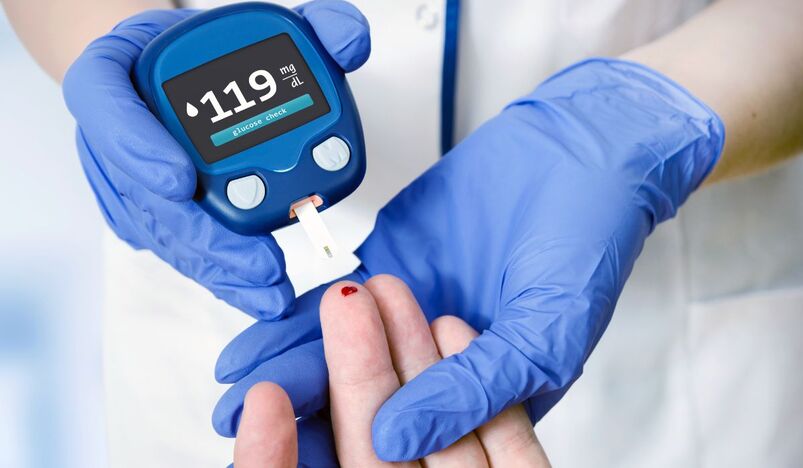
Diabetes management depends on steady blood sugar, balanced meals, regular activity, and consistent monitoring. Small daily habits matter more than occasional big changes. Always work with your doctor to adjust any plan to your specific needs.
Monitor Your Blood Sugar Consistently
Regular monitoring gives you real insight into your body's patterns. Check your levels at the times your doctor recommends. Keep a simple log of readings alongside meals and activities. This log helps you spot patterns behind highs and lows. Share this information with your doctor at every visit. Small trends often reveal issues before symptoms even appear.
Build Meals Around Balance, Not Restriction
Diabetes-friendly eating focuses on balance rather than strict deprivation. Fill half your plate with non-starchy vegetables at each meal. Add a portion of lean protein like chicken, fish, or legumes. Choose whole grains over refined carbohydrates whenever possible. Brown rice, oats, and whole wheat digest more slowly than white versions. This slower digestion helps prevent sudden blood sugar spikes.
Spread your carbohydrate intake evenly across the day. Large single servings of carbs cause bigger blood sugar swings. Smaller, consistent portions throughout the day work better for most patients. Limit sugary drinks, pastries, and heavily processed snacks as much as possible.
Move Your Body Every Day
Physical activity helps your body use insulin more effectively. Aim for at least 30 minutes of movement most days. Walking, swimming, and cycling all count as excellent options. Break activity into shorter sessions if a full 30 minutes feels difficult. Even three 10-minute walks offer real benefits throughout the day. Always check your blood sugar before and after intense exercise sessions.
Stay on Top of Medication and Insulin Schedules
Consistency matters greatly when it comes to medication timing. Take your medication or insulin at the same times daily. Set phone reminders if you often forget doses. Never adjust your dosage without speaking to your doctor first. Report any unusual side effects to your healthcare provider right away.
Protect Your Feet From Hidden Damage
Diabetes can reduce feeling in your feet over time. This makes small cuts or blisters easy to miss. Check your feet every single day for cuts, redness, or swelling. Wear well-fitting, closed shoes to prevent injury outdoors. Avoid walking barefoot, even inside your own home. See a doctor immediately if you notice any sore that won't heal.
Manage Stress Before It Manages Your Sugar Levels
Stress hormones can raise blood sugar levels significantly. Chronic stress makes diabetes much harder to control long term. Practice simple relaxation techniques like deep breathing or short walks. Prioritize sleep, since poor rest also disrupts blood sugar regulation. Aim for seven to eight hours of quality sleep each night.
Stay Hydrated Throughout the Day
Proper hydration supports healthy kidney function and blood sugar balance. Drink water consistently rather than waiting until you feel thirsty. Avoid sugary sodas and fruit juices, since both spike blood sugar quickly. Herbal tea and plain water remain the safest choices for most patients.
Schedule Regular Checkups Beyond Blood Sugar Alone
Diabetes affects more than just blood sugar numbers. Regular eye exams help catch diabetic retinopathy early. Kidney function tests track how well your kidneys handle sugar levels. Dental checkups matter too, since diabetes raises gum disease risk. Schedule these appointments consistently, not only when problems appear.
Frequently Asked Questions
Q: What is the most important habit for diabetes control?
Consistent blood sugar monitoring stands out as the most important habit. It guides every other decision about diet, activity, and medication.
Q: Can exercise really lower blood sugar levels?
Yes, physical activity helps muscles absorb sugar more efficiently. This effect can last several hours after your workout ends.
Q: How often should diabetes patients see a doctor?
Most patients benefit from checkups every three to six months. Your doctor may recommend more frequent visits based on your condition.
Q: Does stress actually affect blood sugar levels?
Yes, stress hormones like cortisol can raise blood sugar directly. Managing stress supports better overall blood sugar control.

_20-08-2026_05-08.jpg)
_27-51-2026_11-51.png)
_27-43-2026_12-43.png)



.jpg)
.jpg)




.jpg)


.jpg)
.png)
.jpg)













Leave a comment