


 By Guest - August 20, 2026
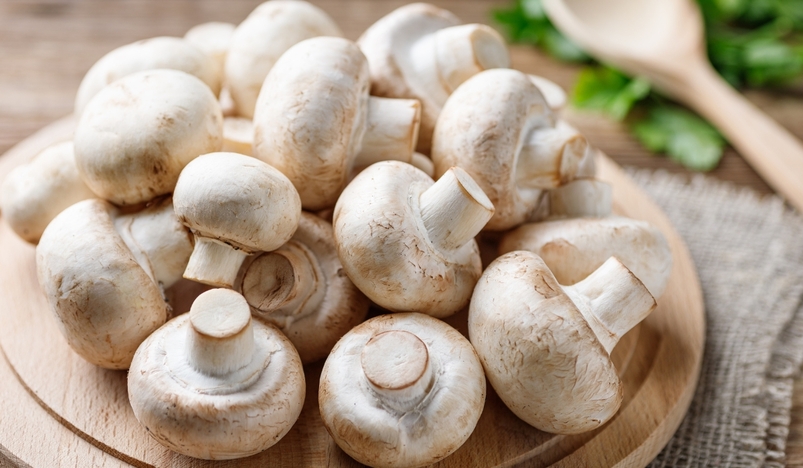
Mushrooms are widely used in cuisines around the world, but their appeal goes beyond flavour. Common edible varieties such as button, cremini, portobello, oyster and shiitake mushrooms provide a range of nutrients and bioactive compounds while generally being low in calories and fat.
1. Provide Important Nutrients
Mushrooms can supply B vitamins, including riboflavin, niacin and pantothenic acid, as well as minerals such as selenium, copper and potassium. Nutrient levels vary by mushroom type and growing conditions.
2. Can Be a Source of Vitamin D
Mushrooms are unusual among foods because they can produce vitamin D when exposed to ultraviolet light. UV-exposed mushrooms may therefore provide meaningful amounts of vitamin D, although the amount varies considerably between products.
3. Contain Antioxidant Compounds
Mushrooms contain compounds with antioxidant activity, including selenium and naturally occurring substances such as ergothioneine. Antioxidants help protect cells from oxidative damage, although eating mushrooms should not be viewed as a treatment for disease.
4. May Support Heart-Healthy Eating
Because mushrooms are naturally low in saturated fat and can add savoury flavour and texture to meals, they can be useful in heart-conscious diets. Replacing some higher-fat ingredients with mushrooms may also help reduce the calorie density of certain dishes.
5. Offer Some Dietary Fibre
Mushrooms contain fibre and other carbohydrates that can contribute to digestive health. Some mushroom components are being studied for their potential effects on the gut microbiome, but research is still developing.
6. Provide Plant-Friendly Savoury Flavour
Their naturally rich umami taste makes mushrooms a useful ingredient for people trying to include more plant foods in their diet. They can be added to soups, stir-fries, omelettes, pasta, curries, salads and grain dishes.
7. May Help With Balanced Weight Management
Mushrooms are generally low in calories while adding volume, flavour and texture to meals. When used as part of an overall nutritious diet, they can help create satisfying meals without relying heavily on calorie-dense ingredients.
Are All Mushrooms Safe to Eat?
No. Wild mushrooms should never be eaten unless they have been positively identified as edible by a qualified expert. Some poisonous species closely resemble edible varieties and can cause severe illness or death. Buying mushrooms from reputable food retailers is the safest option for most people.
The Bottom Line
Edible mushrooms can be a nutritious, versatile addition to meals. They provide several vitamins and minerals, contain antioxidant compounds and can help add flavour without large amounts of calories or saturated fat. For the greatest benefit, include them as part of a varied diet rich in vegetables, fruits, whole grains, legumes and other nutritious foods.
Note: This article is for general information only and is not a substitute for medical or dietary advice. People with allergies or specific health conditions should seek personalised guidance from an appropriate healthcare professional.

_20-08-2026_05-08.jpg)
_27-51-2026_11-51.png)
_27-43-2026_12-43.png)



.jpg)
.jpg)




.jpg)


.jpg)
.png)
.jpg)













Leave a comment