


 By neha - June 01, 2026
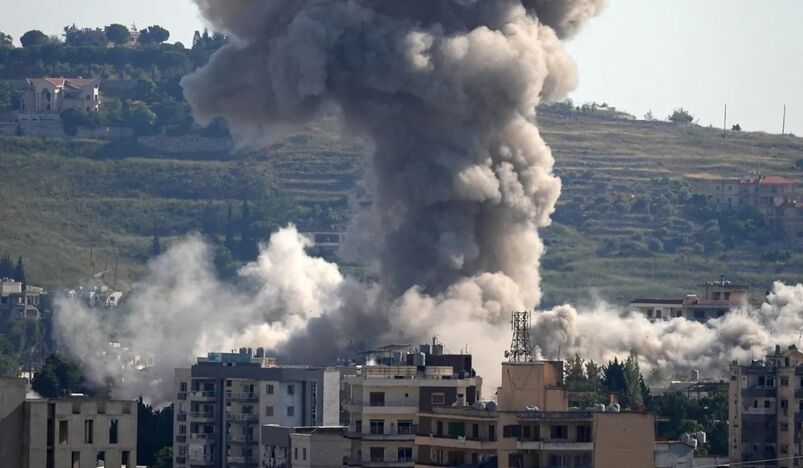
Military action in the Persian Gulf region escalates alongside ongoing US–Iran negotiations, raising questions about the future of a potential nuclear agreement.
US military strikes
The United States military has confirmed that it carried out strikes on Iranian radar installations and drone facilities located in the city of Goruk and on Qeshm Island over the weekend. The strikes represent a significant escalation in direct US military engagement with Iranian assets in the region. Qeshm, Iran's largest island in the Strait of Hormuz, holds strategic importance given its proximity to key shipping lanes.
Officials have framed the operations as targeting specific military infrastructure. No formal statement has yet detailed the scope of damage or casualties resulting from the strikes.
Kuwait incident and IRGC response
Kuwait's government reported what it described as hostile missile and drone attacks on its territory. Iran's Islamic Revolutionary Guard Corps (IRGC) acknowledged launching a retaliatory strike, stating the target was a base it alleged was used in an attack on Sirik Island, a small Iranian island in the Persian Gulf.
Iran's IRGC framed its strike as a direct response to what it described as an assault originating from Kuwaiti territory — a claim Kuwait has not confirmed.
The exchange underscores how rapidly localized military incidents can ripple across Gulf states, drawing multiple nations into what was initially a bilateral US–Iran confrontation.
Lebanon and the broader regional picture
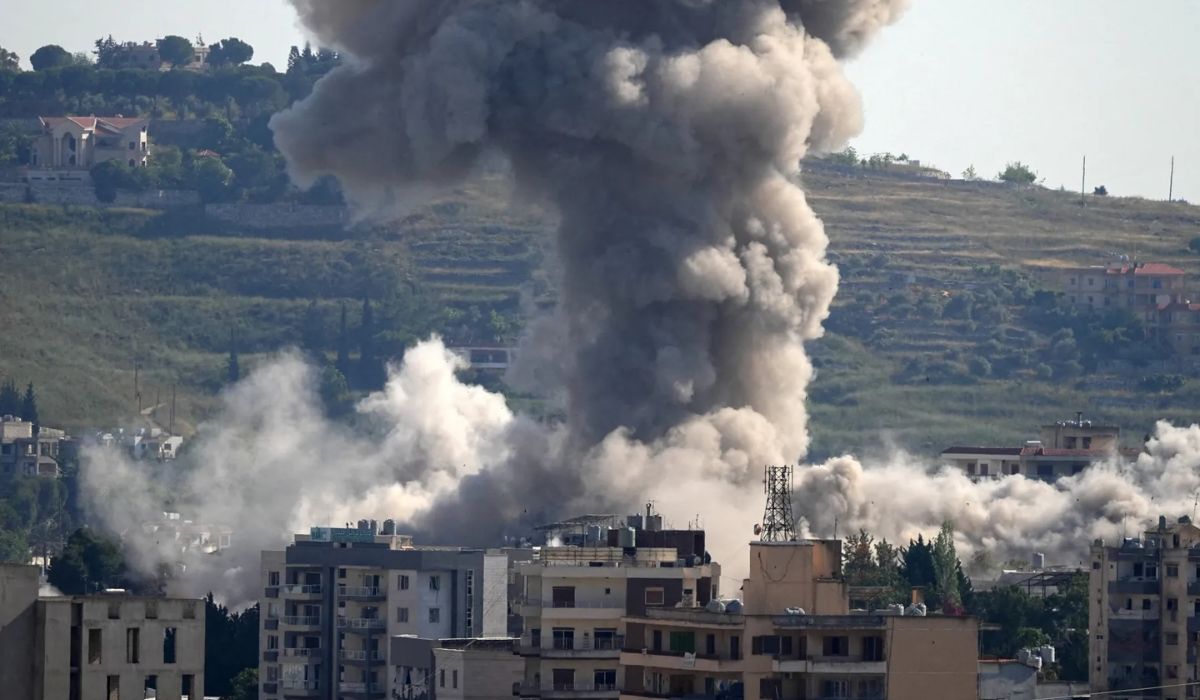
Separate from the Gulf developments, Israel has significantly expanded its military operations inside Lebanon. The scale of the advance has prompted France to formally request an emergency meeting of the UN Security Council. Reports from southern Lebanon describe widespread displacement and substantial infrastructure damage as a result of Israeli airstrikes.
International condemnation has mounted across European capitals and parts of the Arab world, adding diplomatic pressure at a moment when the Middle East is already experiencing heightened instability across multiple fronts.
- Locations struck: Goruk (mainland Iran) and Qeshm Island — both host radar and drone infrastructure
- Kuwait's status: Reported missile and drone impacts; government has not attributed the attack to a specific actor
- Lebanon situation: Israel expands ground and air operations; UN Security Council session sought by France
Diplomatic channel: US–Iran messages ongoing; no final agreement in place as of June 1, 2026
Diplomacy: the deal that may or may not happen
Amid the military activity, negotiations between Washington and Tehran have not stopped. US President Donald Trump publicly stated he believes a "very good deal" with Iran is within reach, while media reports indicate he is pushing for stricter terms than previous frameworks proposed.
Iran's Foreign Minister Abbas Araghchi acknowledged that back-channel communication with the United States is continuing, but was careful to note that nothing is guaranteed until an agreement is formally concluded. This combination — active diplomacy alongside active military strikes — reflects the unusual and volatile nature of the current US–Iran dynamic.
Analysts note that the simultaneous pressure-and-negotiate strategy carries significant risk. Military actions can harden domestic political positions on both sides, making compromise harder to sell to each country's respective audiences even when leaders may privately prefer a deal.
What to watch next
The immediate questions are whether Kuwait will formally attribute the attacks it suffered, how Iran responds to the US strikes on Qeshm and Goruk, and whether the Lebanon situation draws the UN Security Council into a binding resolution debate. On the diplomatic front, the timeline for any US–Iran deal remains unclear, with both sides maintaining public uncertainty while talks proceed privately.
_20-08-2026_05-08.jpg)
_27-51-2026_11-51.png)
_27-43-2026_12-43.png)

_03-27-2026_08-27.jpg)


.jpg)
.jpg)



.jpg)


.jpg)
.png)
.jpg)












Leave a comment