


 By neha - July 06, 2026
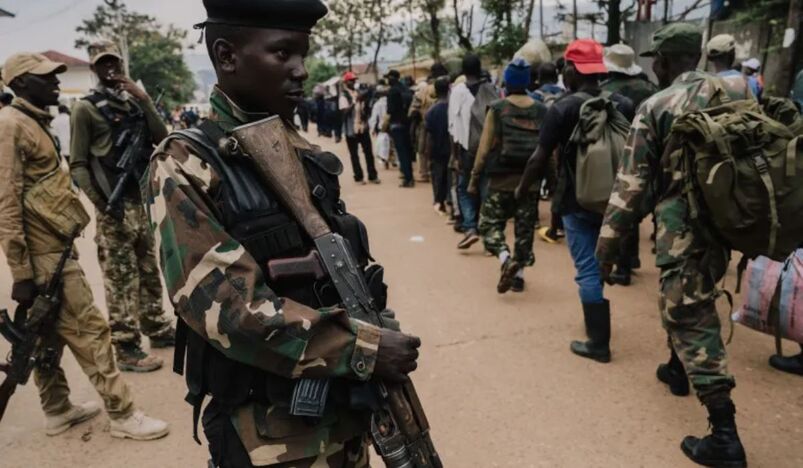
The United States has sanctioned Rwandan businessmen and companies this week. Officials say the firms helped finance the M23 rebellion in eastern Congo. The move signals growing global pressure over the region's mineral wealth.
Who Got Sanctioned And Why
The US Treasury named two individuals in its announcement. Jean Malic Kalima chairs Gasabo Gold Refinery in Rwanda. Bosco Kayobotsi serves as the company's managing director.
Four Rwandan companies also face sanctions under the new measures. These include Gasabo Gold Refinery, Bugambira Mines, Wolfram Mining and Processing, and Rwinkwavu Mining Corporation. All four operate within Rwanda's borders.
The Treasury says these firms helped smuggle minerals out of Congo. That trade allegedly funds weapons purchases and fighter salaries for M23. Officials call the group's activity a serious humanitarian crisis driver.
How Minerals Fuel The Conflict
Eastern Congo holds some of the world's richest mineral deposits. Economist Dady Saleh says the region's wars have stayed economic at their core. He compared the pattern to conflicts in Ukraine and Venezuela.
Coltan mining plays a central role in the current fighting. M23 seized the Rubaya mine back in 2024. UN experts report large volumes of coltan still moving from Rubaya into Rwanda every month.
Rwanda Pushes Back Against The Claims
Rwandan officials strongly reject any link to mineral trafficking or armed group funding. Foreign Minister Olivier Nduhungirehe called the sanctions biased and unjustified. He argued that punitive steps alone will not resolve the conflict.
Nduhungirehe noted that sanctions have targeted Rwanda before without ending the war. He called for shared regional responsibility instead of what he called selective blame. Kigali maintains its position has not changed on this issue.
What Congo And Global Watchdogs Say
Congo's government welcomed the sanctions as validation of longstanding accusations. Spokesperson Patrick Muyaya accused Rwanda of profiting from resources extracted through violence. He described the sanctions as disrupting a chain of state sponsored theft.
Global Witness has documented mineral flows from Congo through regional supply networks. The UK based group says a small number of companies control much of the trade. It also warns smuggled minerals may reach global electronics supply chains.
M23's Response To The Allegations
M23 rebels deny any financial benefit from the mineral trade. A spokesperson for the group's Goma based administration said local miners sell independently. He claimed fighters only provide security around mining sites.
The group accuses Kinshasa of using trafficking claims as a distraction. It says Congo's government is deflecting from recent military and diplomatic setbacks. Both sides continue trading blame as fighting persists.
Why This Matters Beyond Rwanda
Saleh warned against viewing sanctions as a complete solution. He suggested past US policy had given Rwandan leaders room to act freely. He called the latest measures a double edged move by Washington.
Congolese residents expressed cautious hope about the sanctions' impact. Goma resident Nestor Sadiki said the move validates years of suffering over stolen resources. Many still doubt sanctions alone will end the broader conflict.
Frequently Asked Questions
Q: Which companies did the US sanction over Congo minerals?
Gasabo Gold Refinery, Bugambira Mines, Wolfram Mining and Processing, and Rwinkwavu Mining Corporation. Two executives from Gasabo also face individual sanctions.
Q: Does Rwanda accept responsibility for the conflict minerals trade?
No, Rwandan officials reject any connection to trafficking or M23 funding. They call the accusations biased and politically motivated.
Q: What role does coltan play in the eastern Congo conflict?
Coltan mining generates significant revenue for armed groups in the region. M23 controls the Rubaya mine, a major coltan source, since 2024.
Q: Will these sanctions end the fighting in eastern Congo?
Analysts remain skeptical that sanctions alone will resolve the conflict. Many say lasting peace requires broader regional and political solutions.

_20-08-2026_05-08.jpg)
_27-51-2026_11-51.png)
_27-43-2026_12-43.png)


.jpg)
.jpg)



.jpg)


.jpg)
.png)
.jpg)












Leave a comment