


 By neha - June 23, 2026
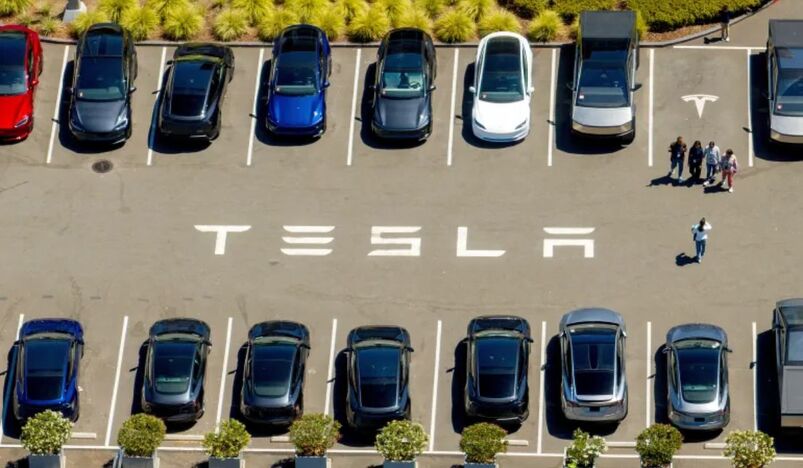
A Tesla Model 3 crashed into a residential home near Houston, Texas on June 19, 2026. A 76-year-old woman inside the house died from the impact. Now the United States road safety regulator has formally opened an investigation into the incident.
The crash has reignited urgent questions about Tesla's self-driving technology and who bears responsibility when something goes catastrophically wrong.
What Happened in Texas
The driver of the Tesla Model 3 told officers from the Harris County Sheriff's Office that he had been using the vehicle's automated driving assistance system when his car left the road. The car then slammed directly into the home.
Police confirmed the driver showed no signs of intoxication and cooperated fully with investigators after the crash.
The National Highway Traffic Safety Administration, known as NHTSA, announced on Monday that it had opened a Special Crash Investigation into the incident. That designation signals a serious and formal review of the circumstances and the technology involved.
Tesla did not respond to requests for comment on the crash.
Elon Musk and Tesla Push Back
Tesla CEO Elon Musk disputed the account almost immediately. He posted on X claiming the car had not been in Full Self-Driving mode at the time. Musk pointed to the speed of the crash as evidence, saying FSD operates slowly through neighbourhood streets and that this was clearly a high-speed collision.
Tesla's Vice President of AI, Ashok Elluswamy, went further. He claimed on X that the driver had manually pressed the accelerator, overriding the self-driving system entirely.
Elluswamy stated the vehicle reached 73 miles per hour (117 km/h) during the crash and that the accelerator remained pressed even after the impact.
Elluswamy did not provide a verifiable source for that account.
What Tesla's Full Self-Driving Actually Does
Tesla markets Full Self-Driving mode as a major selling point across its vehicle range. But the technology is not fully autonomous. It requires human supervision at all times. The driver must remain alert and ready to take control at any moment.
That distinction matters enormously. Tesla promotes FSD aggressively while the legal and safety obligations still rest with the human at the wheel. Critics argue this creates dangerous confusion for drivers who may place too much trust in the system.
Musk has predicted that 90 percent of all driving in the United States will be autonomous within a decade. That ambition has put Tesla's technology under intense public and regulatory scrutiny.
A Pattern of Investigations
This crash is not an isolated regulatory moment. NHTSA has been watching Tesla's self-driving systems closely for some time.
In October 2025, the regulator opened an investigation following 58 reported incidents of Tesla vehicles breaking red lights or veering into oncoming traffic. The probe aimed to determine the scope, frequency and potential safety consequences of those events.
In March 2026, NHTSA escalated another probe. That one focused on how Tesla's self-driving mode performs in poor visibility conditions such as fog, sun glare or other obstructions.
Tesla has consistently denied that its self-driving technology poses risks to drivers or pedestrians. The company argues its system is up to ten times safer than human drivers. Regulators keep opening new investigations anyway.
Why This Case Matters
Most crash investigations involving self-driving vehicles raise a familiar question. Was the driver truly in control, or did the technology fail them? Tesla's response here follows the company's standard playbook. It immediately shifted responsibility back to the human driver.
But that approach faces growing resistance. When a system is marketed as capable of driving itself, and when a driver reasonably trusts that claim, the moral and legal accountability becomes harder to assign cleanly.
A 76-year-old woman was inside her own home. She had no involvement with the vehicle, the technology or the driver's decisions. She is dead.
That fact cuts through every technical argument about accelerator inputs and system logs.
What Comes Next
The NHTSA Special Crash Investigation will examine the data from the vehicle, the circumstances of the crash and whether the self-driving system functioned as intended. The outcome could influence how regulators treat Tesla's technology across the entire fleet.
Tesla has more than five million vehicles on American roads. The scale of the potential risk if its safety claims do not hold up is enormous.
For now, families across the United States driving Tesla vehicles with FSD enabled deserve a clear, honest answer about what the technology can and cannot do. The NHTSA probe represents the start of that process, not the conclusion.
_20-08-2026_05-08.jpg)
_27-51-2026_11-51.png)
_27-43-2026_12-43.png)


.jpg)
.jpg)

.jpg)


.jpg)
.png)
.jpg)



Leave a comment