


 By neha - July 01, 2026
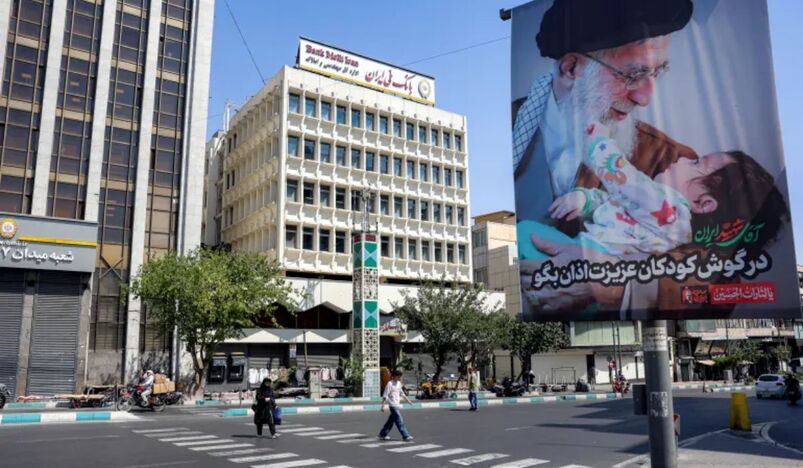
Iranian officials are set to arrive in Doha for talks with Qatari mediators. This follows a visit by US negotiators to the Qatari capital a day earlier. Qatar continues to play a central mediating role between Washington and Tehran.
The Current State of Talks
Qatar's Prime Minister met US envoy Steve Witkoff and Jared Kushner in Doha this week. Both sides are trying to restart direct negotiations between the US and Iran. The US and Iran signed a memorandum of understanding on June 17.
That agreement extended their ceasefire by 60 days for further negotiation. Key issues on the table include the Strait of Hormuz, Iran's frozen assets and long term sanctions relief. Iran's nuclear programme also remains a central topic in the talks.
New tensions have emerged over the past two weeks despite the ceasefire. These include disputes over ship passage through the Strait of Hormuz and US bombing activity. Iranian attacks on US military assets in Kuwait and Bahrain have added further strain.
What US Officials Are Saying
US Vice President JD Vance said the Trump administration holds a strong position regardless of the outcome. He said Washington wants the talks to succeed but remains confident even if they fail. Vance stated that Iran's nuclear programme and military have suffered major damage.
He warned that any Iranian attacks on Strait of Hormuz shipping would trigger a US military response. Vance also said technical talks on specific MoU points are actively continuing. Reports indicate Trump has chosen to pursue diplomacy over renewed military action for now.
What Iran Is Saying
Iran has denied holding direct talks with the US inside Doha. Tehran instead describes the ongoing discussions as indirect talks through Qatari mediation. Iranian officials say these talks focus on implementing the June memorandum and releasing frozen funds.
Iranian President Masoud Pezeshkian said Iran expects $6 billion in frozen funds released as a first step. Iranian negotiators were expected in Doha this week to discuss those funds with Qatari officials. Vance described Tehran's public denial of direct talks as a familiar negotiating tactic.
Why Iran Hesitates on Direct Talks
Analysts point to growing internal pushback within Iran's leadership over the current agreement. Middle East Institute fellow Alex Vatanka said many officials question what the deal has delivered so far. He noted concerns over unreleased frozen assets and continued Israeli presence in Lebanon.
Vatanka said senior Iranian officials may avoid public appearances in Doha to limit political risk at home. Time pressure is also building as the roadmap outlined in the MoU faces delays.
Why These Talks Matter
National security expert Scott Uehlinger said the US is using technical talks to manage tensions proactively. He said American negotiators want to prevent future disputes over Strait of Hormuz access. The talks aim to clarify Iran's role in the strait under the existing memorandum.
Frequently Asked Questions
Q: Are the US and Iran holding direct talks in Doha?
The US says direct technical talks are happening, while Iran describes the process as indirect mediation.
Q: What did the US and Iran agree to on June 17?
Both sides signed a memorandum extending their ceasefire by 60 days for further negotiation.
Q: How much frozen Iranian money is at stake?
Iran's president said the country expects $6 billion in frozen funds released as an initial step.
Q: What role does Qatar play in the talks?
Qatar acts as the main mediator, hosting both US and Iranian officials for negotiations in Doha.
Q: Why is the Strait of Hormuz important to these talks?
Tensions over ship passage through the strait remain a key sticking point in the negotiations.

_20-08-2026_05-08.jpg)
_27-51-2026_11-51.png)
_27-43-2026_12-43.png)



.jpg)
.jpg)




.jpg)


.jpg)
.png)
.jpg)












Leave a comment