


 By Hannah Grace - June 29, 2026
Introduction
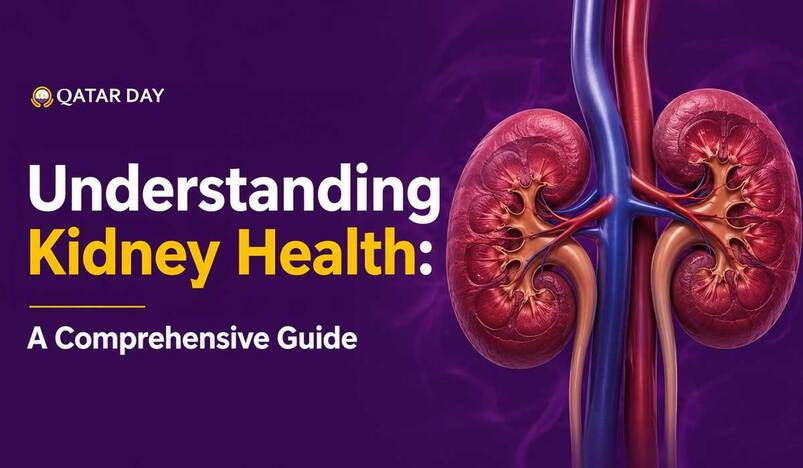
Your kidneys are remarkable organs that work quietly behind the scenes to keep you healthy. These bean-shaped powerhouses filter waste from your blood and regulate fluid balance, blood pressure, and electrolytes. Yet millions of people worldwide have kidney disease without even knowing it. Understanding kidney health is essential for protecting these vital organs and preventing serious complications.
What Do Kidneys Do?
.jpg)
Your kidneys perform several critical functions that are essential for survival:
- Filtering Waste: Every day, your kidneys filter about 120 to 150 quarts of blood to produce approximately 1 to 2 quarts of urine containing waste and extra water.
- Regulating Blood Pressure: Your kidneys maintain proper fluid and salt balance, which directly affects blood pressure control.
- Producing Hormones: Kidneys produce erythropoietin (EPO), which stimulates red blood cell production, and calcitriol, which helps regulate calcium and phosphorus for bone health.
- Managing Electrolytes: Your kidneys maintain the proper balance of sodium, potassium, phosphorus, and other electrolytes crucial for nerve and muscle function.
- Maintaining Acid-Base Balance: They help keep your blood at the right pH level for optimal functioning.
'

_20-08-2026_05-08.jpg)
_27-51-2026_11-51.png)
_27-43-2026_12-43.png)



.jpg)
.jpg)




.jpg)


.jpg)
.png)
.jpg)













Leave a comment