


 By neha - July 10, 2026
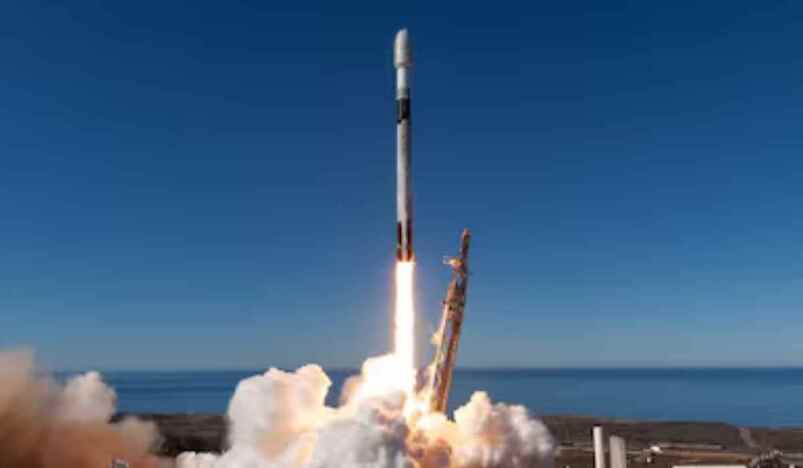
The UAE has launched its first satellite built entirely for navigation research. This move adds another milestone to the country's fast growing space program. The National Space Science and Technology Center at UAE University confirmed the launch on July 9. Officials call LEONAV-1 the first Emirati satellite designed specifically to advance navigation technology.
Testing Navigation From Low Earth Orbit
LEONAV-1 will test next generation navigation systems built for low Earth orbit. Traditional global navigation systems operate much farther from the planet. Low orbit satellites sit closer to Earth and can send stronger signals. This closeness may help fix accuracy and reliability issues in older systems.
Mission details show the satellite will transmit signals without disrupting current navigation tools. Researchers plan to study how these signals affect accuracy and efficiency. They also want to know if low orbit signals make future navigation more resilient.
What Comes Next For The Mission
LEONAV-1 will now enter its Launch and Early Orbit Phase. Engineers will check every system aboard the satellite during this stage. They will also confirm stable communication links with ground teams. Several operational tests will follow to confirm the satellite works as planned.
A Mission Backed By The UAE Space Agency
The UAE Space Agency funds and supports this entire mission. It fits into a national strategy built around research, innovation, and technology growth. NSSTC officials say the launch reflects the center's long term commitment to space science. They view it as another step toward building strong national expertise.
This project also focuses heavily on training local talent. Emirati engineers and researchers gained hands on experience building the satellite. Officials want the country to develop its own space technology rather than rely on imports.
Part Of A Larger Space Push
LEONAV-1 arrives during a busy stretch for the UAE's space sector. Just weeks earlier, Abu Dhabi based Orbitworks confirmed plans for its own milestone. The company will send its first fully homegrown satellite, Altair, to California this autumn. Altair is the first piece of a planned ten satellite Earth observation constellation.
In October 2025, the UAE Space Agency launched a new digital research platform. It gives students, researchers, and start ups access to imagery from over 300 satellites. That data includes contributions from NASA, the European Space Agency, and Maxar.
Officials say these projects strengthen the UAE's role in space based navigation. The country's space journey began with its first satellite launch back in October 2000. Growth accelerated steadily after the UAE Space Agency was founded in 2014.

_20-08-2026_05-08.jpg)
_27-51-2026_11-51.png)
_27-43-2026_12-43.png)



.jpg)
.jpg)




.jpg)


.jpg)
.png)
.jpg)













Leave a comment