


 By Hannah Grace - July 12, 2026
_12-08-2026_10-08.jpg)
ABU DHABI - July 12, 2026: The UAE issued its first missile alert in months on Sunday morning, with the Ministry of Defence confirming that Iran had fired missiles and drones at the Emirates. The Ministry, together with the National Emergency Crisis and Disasters Management Authority (NCEMA), issued the alert at around 6:30am local time, urging residents to seek shelter. Qatar and Bahrain issued similar shelter-in-place warnings as their own air defences moved to intercept incoming Iranian projectiles.
A Rapidly Escalating Sunday
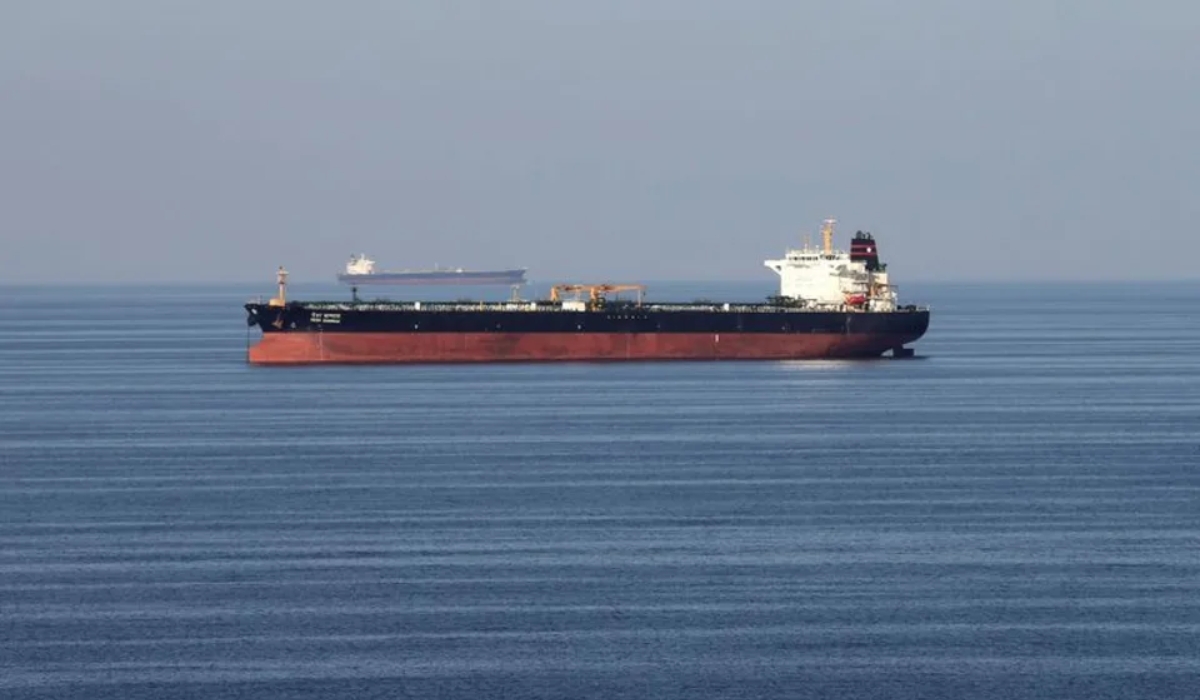
The attacks followed a wave of US strikes on Iran hours earlier, with explosions reported across multiple Iranian port cities and coastal locations, including Bushehr, Bandar Abbas, Bandar-e Mahshahr, Sirik, Asaluyeh, Minab, Bandar-e-Jask, and Dayyer Port. Those American strikes, in turn, followed an Iranian attack on a Cyprus-flagged container ship, the GFS Galaxy, off the coast of Oman. US Central Command said the vessel, operated by GFS Ship Management in Dubai, suffered an onboard fire and significant engine room damage, with a civilian crew member reported missing after the crew abandoned ship on Sunday morning.
Hormuz Declared Closed
In the aftermath of the exchange, Iran declared the Strait of Hormuz fully closed — a move with serious implications for global shipping, given the strait's role as one of the world's most critical energy corridors. The declaration marks a significant hardening of Tehran's position and raises fresh concerns about global oil and gas supply disruptions in the days ahead.
Part of a Longer Pattern of Attacks on the UAE
Sunday's strikes mark the first time Iran is understood to have directly fired on the UAE since it struck the Barakah nuclear plant on May 17, when a projectile hit an electrical substation away from the facility's main structure. Before that, the UAE endured a sustained bombardment campaign beginning February 28, in the immediate aftermath of coordinated US-Israeli strikes on Iran. According to tracked estimates, UAE air defences intercepted and destroyed 537 ballistic missiles, 2,256 drones, and 26 cruise missiles between late February and early April, using THAAD and Patriot missile defence systems acquired from the United States.
That earlier campaign killed 13 people in the UAE, including two military personnel, a civilian contractor, and ten other civilians, and injured 224 others. Among the most damaging strikes was a March 28 attack on Khalifa Economic Zone Abu Dhabi, which caused significant damage to Emirates Global Aluminium's Al Taweelah complex — a facility EGA has spent the months since methodically restoring, with alumina production only just resuming this week ahead of Sunday's renewed escalation.
Uncertain Ceasefire Status
The renewed attacks add to mounting uncertainty over the fragile ceasefire framework the US and Iran established in mid-June, following months of on-and-off hostilities in the region. Conflicting claims from Tehran, Washington, and Israel in recent days have made it difficult to independently verify responsibility for individual incidents, even as both sides have simultaneously signaled openness to continued talks alongside intermittent military escalation.
What to Watch
With Hormuz now declared closed by Iran, attention turns to how Gulf states, the US, and international shipping companies respond in the coming hours and days. Key signals to track include whether the UAE, Qatar, and Bahrain report further incoming attacks, how oil markets react to the closure declaration, and whether renewed US-Iran talks - reportedly already underway on other fronts - can de-escalate the situation before further exchanges occur.

_20-08-2026_05-08.jpg)
_27-51-2026_11-51.png)
_27-43-2026_12-43.png)



.jpg)
.jpg)




.jpg)


.jpg)
.png)
.jpg)













Leave a comment