


 By neha - July 03, 2026
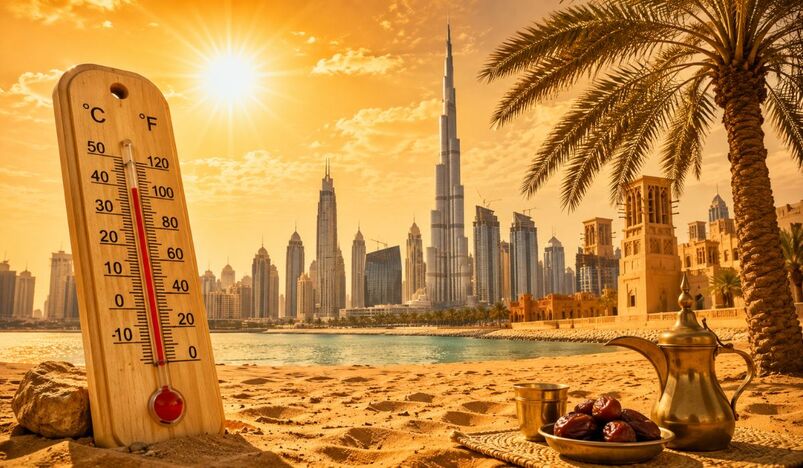
The Arabian Peninsula has entered its harshest weather stretch of the year. It is called Jamrat Al Qayth. The name often confuses people online. Some search for it expecting details about the Hajj stoning ritual. Others want to know about the scorching summer season in the Gulf. This article covers both meanings clearly. It also explains why 2026 marks a notable year for this heat season.
What Does Jamrat Al Qayth Mean
Jamrat Al Qayth translates to "embers of summer" in classical Arabic. It describes the peak heat phase across the Arabian Peninsula. This season is not a modern weather label. Bedouins, farmers, and fishermen tracked it for centuries. They used star risings to predict the harshest days ahead. This tradition still guides forecasts in the Gulf today.
When Jamrat Al Qayth Begins In 2026
The Emirates Astronomy Society confirmed this year's timeline. Jamrat Al Qayth started on July 3, 2026. It will continue until August 10, 2026. The season begins with the pre-dawn rising of the first Gemini star. Experts call this star Al Haq'ah. A second star, Al Mirzam, rises on July 29. These star risings mark the season's internal phases.
How Hot Does It Get During This Season
Coastal cities like Dubai and Abu Dhabi see temperatures near 41°C to 43°C. Desert and inland regions often exceed 45°C. During active heatwaves, some areas surpass 50°C. Dry Samoom winds sweep through the region during this time. These winds raise dust and intensify the heat further. Humidity also climbs sharply in coastal areas during mornings and evenings.
The Three Phases Of Gulf Summer
Arab astronomers traditionally split summer into three distinct stages. The first phase starts with the Pleiades star cluster in June. Jamrat Al Qayth forms the second and most brutal phase. The third phase begins with the Suhail star's appearance. That final stage brings high humidity known as Kattat Al Suhail. Each phase carries its own weather pattern and cultural meaning.
Jamrat Al Qayth Versus The Jamarat Ritual Of Hajj
Many people confuse this heat season with the Hajj ritual. The Hajj ritual is called Ramy Al Jamarat, or stoning of the devil. Pilgrims throw pebbles at three walls in Mina during Hajj. This act symbolizes Prophet Ibrahim's rejection of temptation. It happens on specific days after Eid Al Adha each year. Jamrat Al Qayth shares a similar-sounding name but means something entirely different. One relates to worship, and the other relates to weather.
Why This Season Matters To Gulf Culture
Jamrat Al Qayth shaped daily life long before air conditioning existed. Families adjusted work hours around the harshest midday sun. Farmers used this window to plan date harvests carefully. Elders passed down stories about mirages and desert storms. Traditional drinks like Jallab and chilled date milk became summer staples. These customs remain part of Gulf heritage even today.
Safety Tips During Jamrat Al Qayth
Authorities urge residents to take extra precautions this season. Avoid direct sun exposure between noon and late afternoon. Drink water consistently throughout the day. Wear light, breathable clothing whenever you step outside. Limit outdoor physical activity during peak heat hours. Check on elderly family members and outdoor workers often. Keep vehicles parked in shade whenever possible.
Frequently Asked Questions
Q: What does Jamrat Al Qayth mean in English?
It means "embers of summer" and refers to the hottest phase of the year in the Arabian Peninsula.
Q: When does Jamrat Al Qayth end in 2026?
It ends on August 10, 2026, based on the Emirates Astronomy Society's calendar.
Q: Is Jamrat Al Qayth the same as the Hajj stoning ritual?
No. The Hajj ritual is called Ramy Al Jamarat and involves throwing pebbles at three walls in Mina.
Q: How hot does it get during Jamrat Al Qayth?
Desert areas can exceed 50°C, while coastal cities typically see 41°C to 43°C.
Q: What causes the extreme dryness during this season?
Hot, dry Samoom winds sweep across the region and intensify the already high temperatures.

_20-08-2026_05-08.jpg)
_27-51-2026_11-51.png)
_27-43-2026_12-43.png)


.jpg)
.jpg)


.jpg)


.jpg)
.png)
.jpg)










Leave a comment