


 By neha - July 09, 2026
_09-46-2026_12-46.jpg)
Oil surges nearly 6% and Gulf capitals scramble for diplomacy after the US hits over 80 Iranian targets and Tehran retaliates against American bases in Bahrain and Kuwait
The fragile truce between the United States and Iran appeared to collapse on Wednesday, after President Donald Trump told reporters at the NATO summit in Ankara that he now considers the ceasefire finished, dismissing further negotiations with Tehran as pointless.
Speaking alongside NATO Secretary General Mark Rutte, Trump said he no longer wanted to deal with Iranian officials, whom he described in blunt terms, and suggested the United States would likely strike Iran again within hours.
A Rapid Escalation
The breakdown followed a fast-moving exchange of attacks earlier in the week. Iranian forces struck three commercial vessels transiting the Strait of Hormuz on Tuesday, prompting US Central Command to launch what it called a series of powerful retaliatory strikes against more than 80 targets inside Iran. Those targets reportedly included air defense systems, command-and-control networks, coastal radar installations, and anti-ship missile batteries, along with dozens of small boats operated by Iran's Revolutionary Guard Corps.
Iran's Revolutionary Guard responded within hours, launching drone and missile strikes against American-linked military facilities in Bahrain and Kuwait. Iran's foreign ministry characterized the US strikes as a clear violation of the memorandum of understanding the two countries signed last month, while Washington maintains it was Iran's attack on shipping that broke the truce first.
A Truce Built on Borrowed Time
The current crisis sits atop a much larger conflict. The United States and Israel launched a joint military campaign against Iran in late February, opening with a strike that killed Iran's Supreme Leader and setting off months of missile and drone exchanges across the region before a ceasefire was reached. A subsequent memorandum of understanding established a 60-day window for technical talks on Iran's nuclear program, the future administration of the Strait of Hormuz, and the release of billions of dollars in frozen Iranian funds.
That window is due to expire in mid-August, and diplomats had already flagged slow progress even before this week's flare-up. Negotiators including US envoy Steve Witkoff and Jared Kushner met with mediators in Doha in late June, though no high-level talks with Iranian officials have since been confirmed.
Markets React
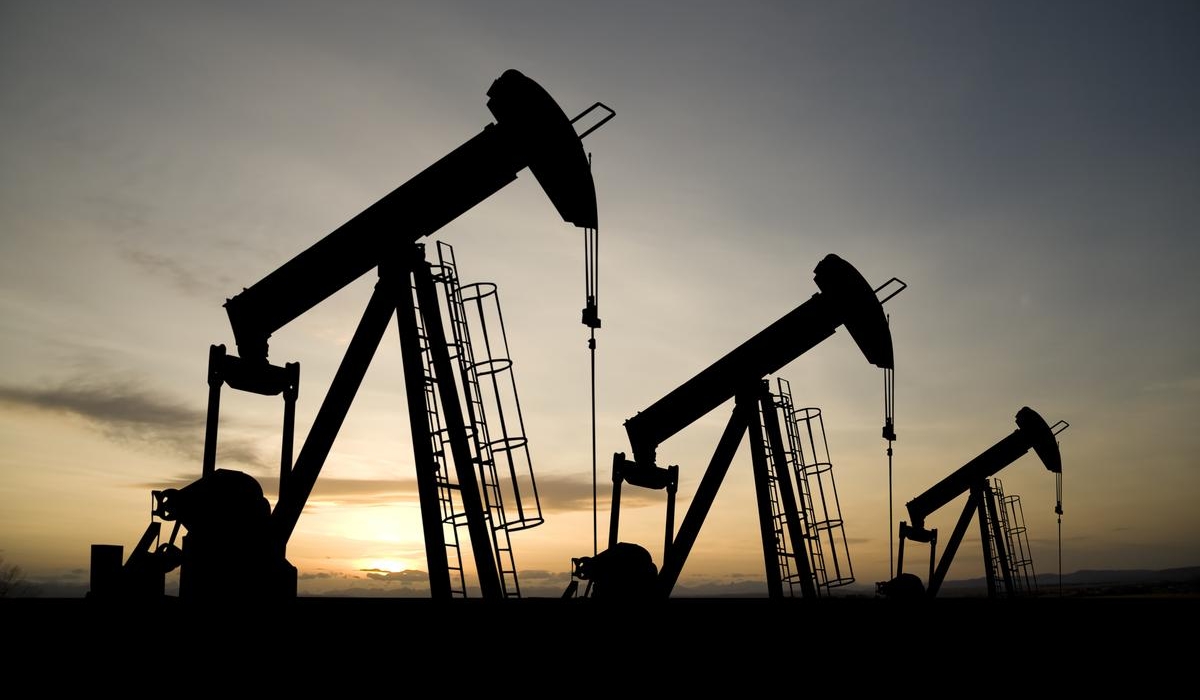
Oil prices jumped sharply on the news. Brent crude futures climbed close to 6% to trade near $78 a barrel, while US benchmark crude rose by a similar margin. The US Treasury Department also revoked a waiver that had permitted limited sales of Iranian oil, with any remaining transactions required to wind down by July 17 — a move that adds further pressure on global energy supply as the strait's status remains contested.
Gulf States Push for Calm
The Gulf Cooperation Council condemned the strikes on Bahrain and Kuwait, with Secretary-General Jasem Al Budaiwi calling them a direct threat to civilians and a breach of international law. Regional reporting suggests Gulf governments are more likely to press quietly for a return to negotiations than to align firmly with either side, given widespread reluctance in the region to see the conflict reignite in full.
What Trump Is Threatening Next
Beyond further strikes, Trump raised the possibility of reinstating the US naval blockade on Iran and floated taking control of Kharg Island, Iran's principal oil export terminal — though he ruled out deploying American ground troops. He also downplayed the urgency of resolving Iran's nuclear stockpile despite it being a central piece of last month's agreement.
What to Watch
Whether Wednesday's rhetoric marks a genuine return to open conflict or a pressure tactic ahead of the August deadline remains unclear. Key signals to track: further US strikes in the coming nights, the status of shipping through Hormuz, any Iranian response beyond Bahrain and Kuwait, and whether Gulf-brokered diplomacy can bring both sides back to the table before the memorandum lapses.
_16-35-2026_04-35.jpg)
_14-56-2026_09-56.jpg)
_14-18-2026_09-18.jpg)

_20-08-2026_05-08.jpg)
_27-51-2026_11-51.png)
_27-43-2026_12-43.png)



.jpg)
.jpg)



.jpg)


.jpg)
.png)
.jpg)













Leave a comment