


 By Simran - July 22, 2026
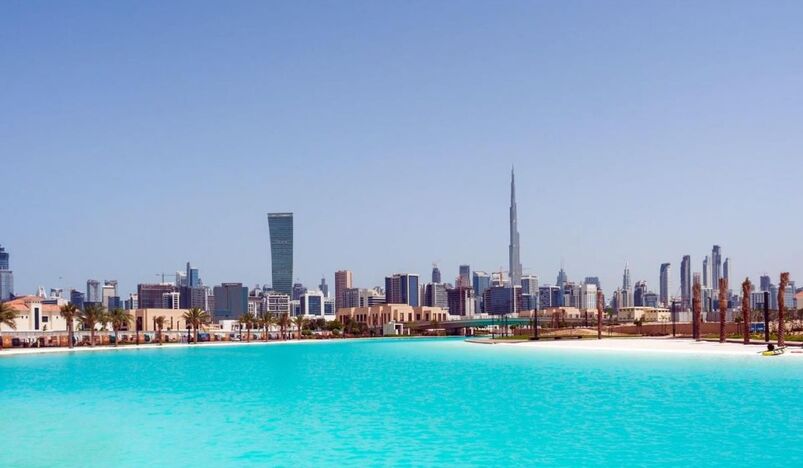
Across the Gulf, residential planning is moving beyond isolated towers and villa clusters. Master-planned communities bring homes, green areas, everyday services and movement routes into one wider framework.
Their appeal lies in the possibility of a more organised daily routine, where residents spend less time dealing with disconnected facilities. For buyers, the decision is increasingly about how the whole neighbourhood works, not only the home itself.
Why Planned Living is Gaining Ground
A well-planned community begins with the relationship between homes and the spaces around them.
Instead of treating housing, retail, leisure and landscaping as separate additions, planners consider how residents may move between them. This can create a clearer neighbourhood structure and reduce the sense that every errand requires a separate journey.
Across Gulf cities, long-term urban strategies are also placing greater attention on connected communities, efficient land use and access to shared services.
Convenience is Built into the Layout
Convenience in a master-planned setting is not limited to having several facilities nearby.
The more important question is whether those facilities are positioned sensibly. Residents may look for:
● Safe routes between homes and shared spaces
● Everyday services within practical reach
● Clear separation between busy and quiet areas
● Parking and access that do not dominate the streetscape
When these details work together, the neighbourhood can feel easier to navigate and more comfortable during ordinary days.
The Neighbourhood Becomes Part of the Home
Master-planned living changes the way people judge a property. The home cannot be separated from the roads, landscaping, shared facilities and quieter spaces around it.
This wider approach is reflected in communities such as District One in Dubai, where the conversation extends beyond individual residences to the setting in which daily life unfolds. It is this relationship between private space and the broader neighbourhood that gives a master plan its real purpose.
Green Space Needs a Practical Purpose
Landscaping can soften the built environment, but its value depends on how residents can use it.
Shaded paths, quieter gardens and connected outdoor areas may support walking, informal meetings and time away from traffic.
Climate remains an important design consideration across the Gulf, so greenery works best when it is paired with shade, sensible routes and nearby indoor alternatives.
A pleasant view matters, though a usable outdoor network has greater everyday relevance. Good planning allows outdoor areas to feel part of daily movement rather than decorative pockets viewed only from windows. That continuity can make short walks more appealing and give residents a sense of connection with the wider community.
Management Shapes the Experience
A master plan can establish the structure of a community, but management determines how that structure performs over time.
Residents are likely to notice maintenance standards, security, traffic control, cleanliness and communication. Shared facilities also need clear rules and dependable upkeep. Without consistent management, even a carefully designed neighbourhood may become inconvenient.
Buyers should therefore look beyond the initial presentation and consider how common spaces, services and responsibilities are expected to be handled.
Conclusion
The rise of master-planned communities across the Gulf reflects a broader interest in organised, connected living. The home remains important, but the roads, services, landscaping and shared spaces around it can shape daily comfort just as strongly.
A successful community does not need to include everything. It needs to place the right elements where residents can use them naturally. Thoughtful planning, climate-aware design and reliable management together create neighbourhoods that can remain practical as routines, households and expectations change.




_20-08-2026_05-08.jpg)
_27-51-2026_11-51.png)
_27-43-2026_12-43.png)



.jpg)
.jpg)


.jpg)


.jpg)
.png)
.jpg)









Leave a comment