


 By neha - July 17, 2026
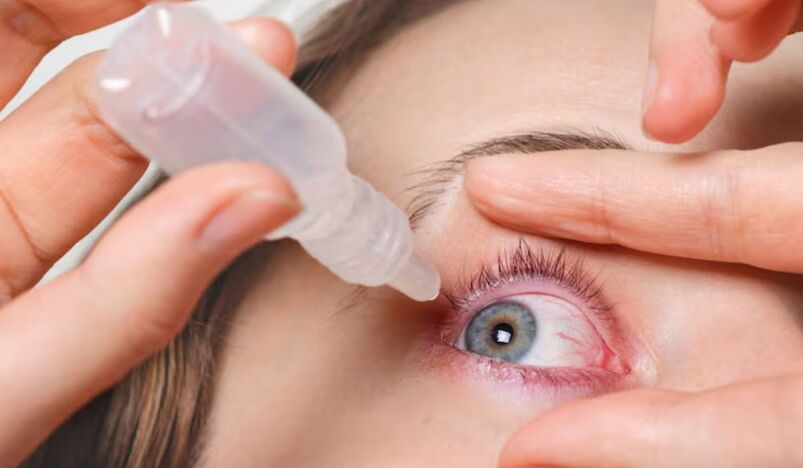
Your eyes work nonstop from the moment you wake up. Screens, bright lights, and long hours put real strain on them daily. Good eye health does not require anything complicated.
It simply comes down to consistent daily habits. Here is a complete routine you can start using today.
Follow The 20 20 20 Rule
Look at something 20 feet away every 20 minutes. Hold that gaze for at least 20 seconds. This simple habit cuts digital eye strain significantly.
It also reduces dryness and screen related headaches. This rule matters most if you work on a laptop or phone all day.
Blink More Often Than You Think
Screen use cuts your blink rate by roughly 60 percent. That drop leads directly to dryness and irritation. Make a conscious effort to blink fully and slowly.
Full blinks spread tears evenly across your eye surface. This small habit prevents a surprising amount of daily discomfort.
Set The Right Screen Distance
Keep your screen between 40 and 75 centimeters away from your face. Position the top of the screen at eye level. Match your screen brightness to the lighting in your room.
These small adjustments reduce strain during long working hours. Comfortable screen positioning makes a noticeable difference over time.
Drink Enough Water Every Day
Dehydration is a common but overlooked cause of dry eyes. Aim for two to three liters of water daily. Increase that intake if you live somewhere hot and humid.
Hydration keeps your tear film stable throughout the day. This directly supports comfortable, well lubricated eyes.
Eat Foods That Support Your Vision
Certain nutrients play a direct role in long term eye health. Vitamin A supports your retina and comes from carrots and sweet potatoes. Omega 3 fatty acids protect eye tissue and appear in salmon and walnuts.
Lutein and zeaxanthin shield your eyes from harmful light exposure. You can find both in spinach and kale. Vitamin C and E also support eye tissue repair, found in citrus fruits and almonds.
Use Balanced Lighting While You Work
Avoid working under very bright or very dim lighting. Both extremes force your eyes to work harder than necessary. Soft, indirect lighting reduces glare and eye fatigue.
This adjustment matters especially during long screen sessions. Balanced lighting keeps your eyes relaxed throughout the day.
Wear Sunglasses With Full UV Protection
Strong sunlight increases your long term risk of eye damage. UV exposure raises the risk of cataracts and macular degeneration. It can also damage the surface of your eye over time.
Always choose sunglasses offering 100 percent UV protection. This single habit protects your vision for decades to come.
Stop Rubbing Your Eyes
Rubbing your eyes can cause infection and corneal damage. It can also worsen allergies and create visible dark circles. Reach for a cold compress instead when your eyes feel itchy.
Doctor recommended drops also help calm irritation safely. Avoid touching your eyes with unwashed hands whenever possible.
Prioritize Consistent Sleep
Your eyes need proper rest to recover from daily strain. Aim for seven to eight hours of sleep each night. This helps prevent dryness, twitching, and general eye fatigue.
Poor sleep often shows up first as tired, irritated eyes. Consistent rest supports your vision just as much as your energy levels.
Use Lubricating Eye Drops When Needed
Preservative free artificial tears work well for occasional dryness. Avoid redness reducing drops, since they can worsen symptoms over time. These drops treat the appearance of redness rather than the actual cause.
Talk to an eye doctor if dryness continues despite these drops. Persistent dryness sometimes signals a condition that needs proper treatment.
Keep Contact Lenses Clean And Safe
Never sleep while wearing your contact lenses. Replace them exactly on the schedule your doctor recommends. Clean them properly using the correct solution every time.
Avoid any contact between your lenses and tap water. This single habit prevents most lens related eye infections.
Schedule Regular Eye Checkups
Visit an eye specialist at least once every year. This matters most if you work long hours on screens daily. It also applies if you have diabetes or wear glasses or lenses.
Frequent headaches or blurry vision are signs you should not ignore. Early detection through regular checkups prevents long term vision damage.
Your Quick Daily Eye Care Checklist
Use this short list as a daily reminder.
- Blink fully and often
- Follow the 20 20 20 rule
- Drink enough water
- Wear UV protective sunglasses
- Use artificial tears if needed
- Sleep seven to eight hours
Small daily habits protect your eyes far more than occasional effort. Start with two or three changes and build from there.
_27-51-2026_11-51.png)
_27-43-2026_12-43.png)

_03-27-2026_08-27.jpg)
.jpg)


.jpg)
.jpg)




.jpg)


.jpg)
.png)
.jpg)












Leave a comment