


 By neha - July 02, 2026
_02-48-2026_12-48.jpg)
Long before glass towers defined its skyline, Dubai was a small settlement on the edge of the desert. Fishermen, pearl divers, and traders built their lives around a narrow saltwater inlet known as the Creek. That inlet shaped the city's earliest identity, and it still runs through the heart of Old Dubai today.
A Ruler With a Bold Vision

His Highness Sheikh Rashid bin Saeed Al Maktoum ruled Dubai from 1958 to 1990. He inherited a modest trading town and saw something far bigger. He believed Dubai could become a hub connecting East and West, decades before that idea seemed realistic.
Sheikh Rashid invested in dredging the Creek so larger trading vessels could dock safely. He backed the construction of Port Rashid and later Jebel Ali Port, one of the largest man-made harbors in the world. These decisions turned a fishing town into a serious trading power.
His approach combined patience with ambition. He moved carefully, but he never lost sight of the bigger picture. That balance became a defining trait of Dubai's growth story.
Al Fahidi Fort and the Old City Walls
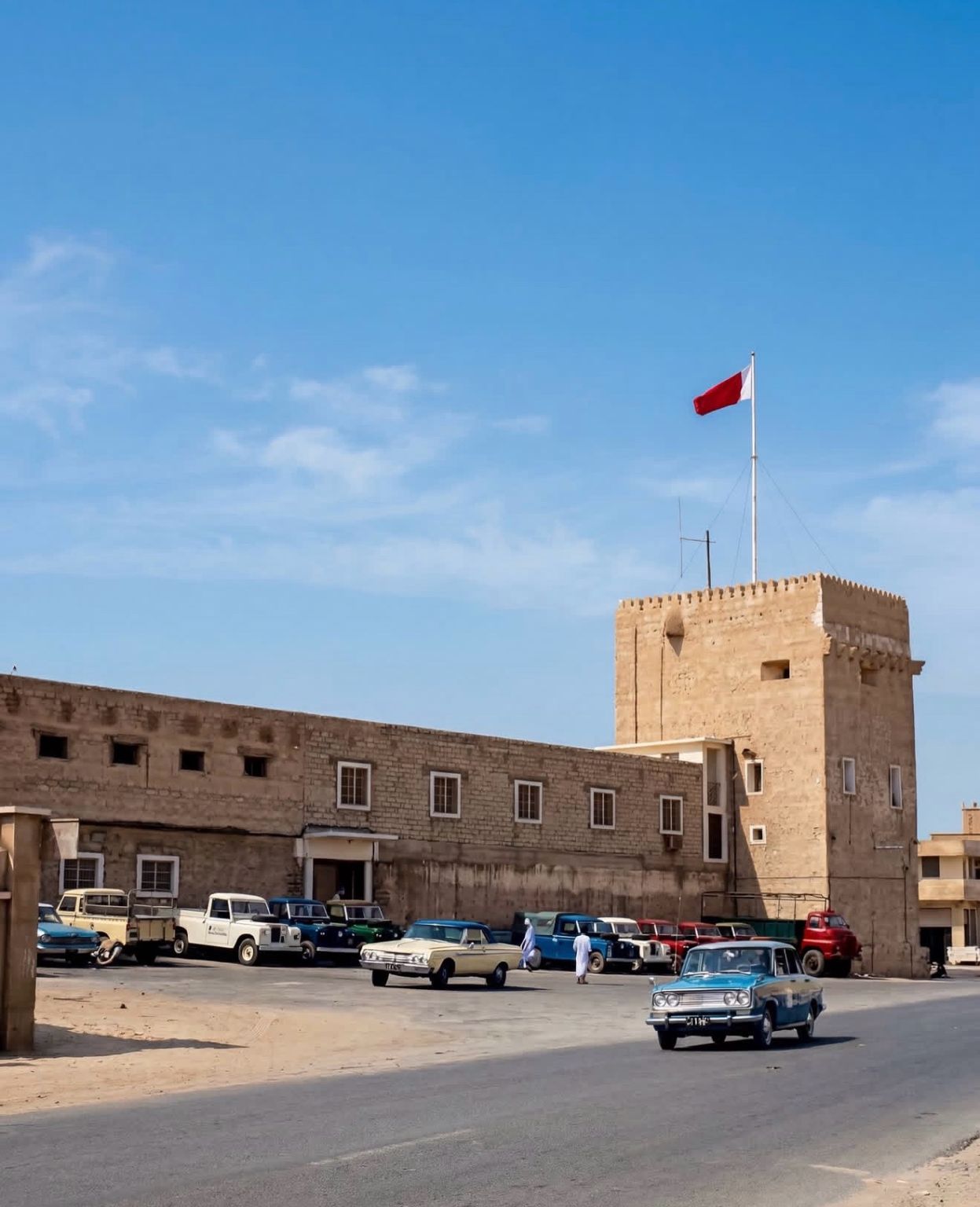
Al Fahidi Fort still stands near the Creek, built from coral stone and gypsum in the late 1700s. It once protected the settlement from raids and later served as a residence for Dubai's rulers. Today it houses the Dubai Museum, and its watchtower remains one of the oldest structures in the city.
Walking near the fort gives visitors a sense of scale. The thick walls and narrow windows show how life once revolved around defense and survival, not luxury.
Life Along the Creek
Wooden abras still cross the Creek every day, just as they did generations ago. Passengers sit shoulder to shoulder for the short ride between Bur Dubai and Deira. The buildings along the waterfront show heavy wear, but many locals see that as part of their charm.
This stretch of water once carried goods from India, Iran, and East Africa. Traders exchanged textiles, spices, and pearls, and that exchange shaped Dubai's early economy long before oil was discovered.
Wind Towers That Cooled a Desert City

Look up in the historic Al Fahidi or Al Shindagha districts and you will notice tall, box-shaped structures on many rooftops. These are barjeel, or wind towers, and they served as an early form of air conditioning. Openings at the top catch passing breezes and funnel cool air down into the rooms below.
Builders relied on this design for centuries before electricity reached the region. Many of these towers still stand, restored as part of Dubai's push to preserve its architectural heritage.
The Souks That Kept Trade Alive

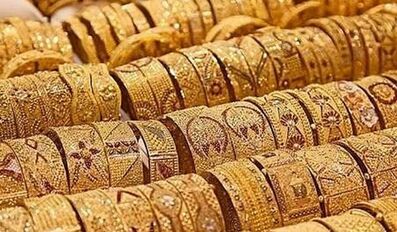
Old Dubai's covered souks remain active trading spaces, not museum pieces. Leather goods, textiles, and traditional crafts still change hands under wooden rafters that block the harsh sun. Falconers sometimes walk through with a bird perched on a gloved hand, a reminder of a sport that predates the city itself.
Falconry holds deep cultural meaning across the Gulf. It reflects patience, skill, and a close bond between handler and bird, values that also shaped Dubai's careful rise to prominence.
Why This History Still Matters

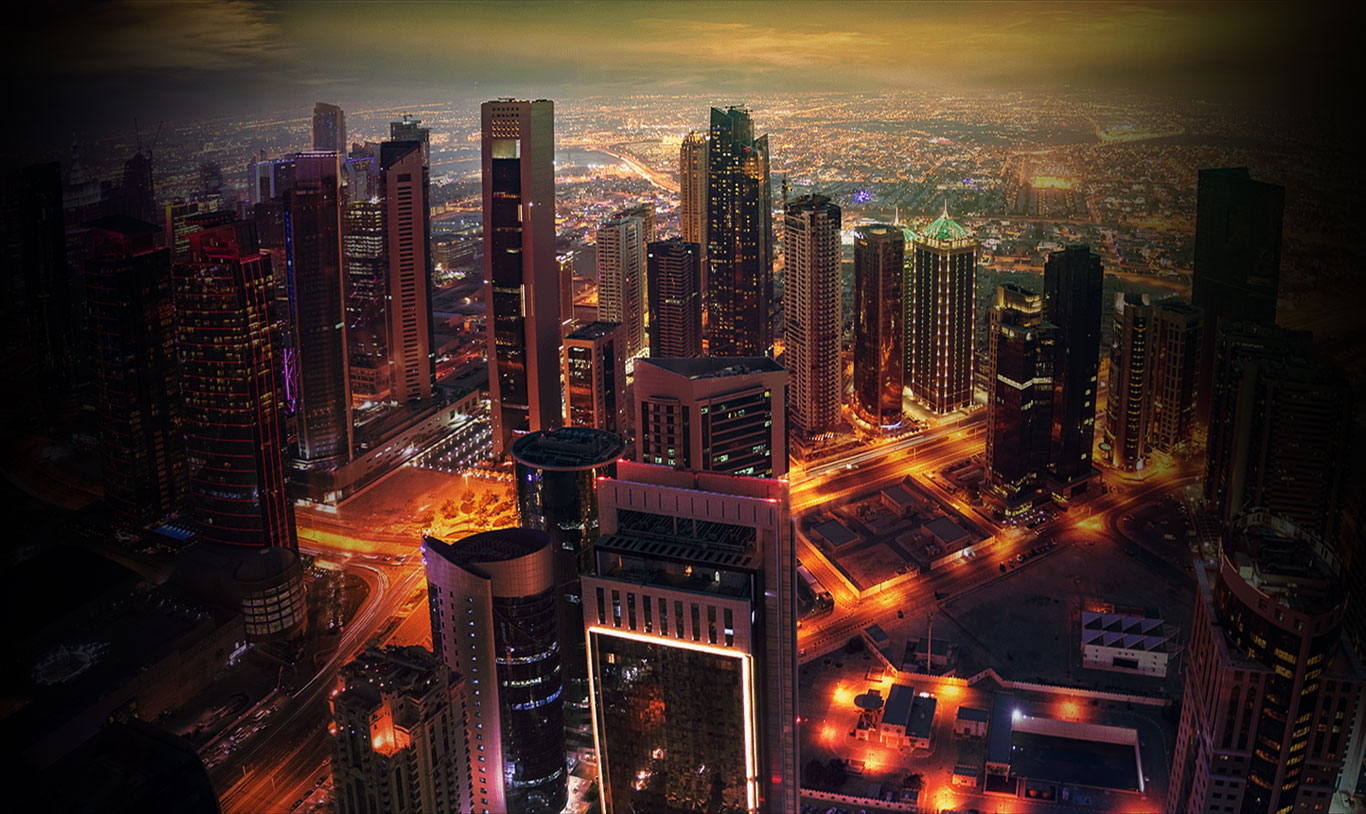
Modern Dubai often gets described through its record-breaking buildings and rapid development. That story only makes sense alongside its origins. Sheikh Rashid's early decisions about ports, trade, and infrastructure created the foundation everything else was built on.
Visiting Al Fahidi Fort, crossing the Creek by abra, or walking through a wind-tower district connects travelers to that foundation. These places show how a small trading settlement grew into a global city, guided by one ruler's belief that ambition and patience could reshape a nation's future.
_27-51-2026_11-51.png)
_27-43-2026_12-43.png)
_03-27-2026_08-27.jpg)
.jpg)

.jpg)
.jpg)

.jpg)


.jpg)
.png)
.jpg)








Leave a comment