


 By Admin - April 27, 2026
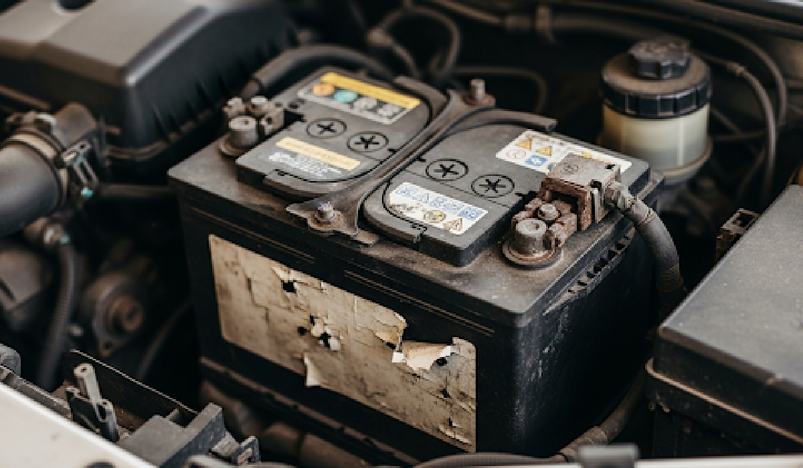
Smart driving habits reduce car battery wear by improving charging balance and lowering electrical load. Dubai city roads include frequent stops, traffic signals, and short trips. These conditions reduce proper battery charging and affect car battery life over time.
Areas like Sheikh Zayed Road, Al Barsha, and Business Bay have heavy stop-and-go traffic during peak hours. This type of driving keeps the battery under constant use but with less recharge time. As a result, battery performance becomes weaker faster in city conditions.
What Causes Battery Wear in Dubai City Traffic?
Battery wear is driven by 5 main factors: heat exposure, stop-and-go driving, short trips, electrical load, and engine idling. These conditions reduce charging efficiency and increase discharge cycles.
High Temperature Exposure
Dubai temperatures range from 40°C to 50°C in the summer months. This heat increases battery fluid evaporation by up to 30%. It reduces internal chemical stability inside the battery.
Stop-and-Go Traffic
City roads like Sheikh Zayed Road and Business Bay include 15 to 25 stop cycles per trip. Each stop increases battery discharge. The alternator does not get enough time to fully recharge.
Short Driving Trip
Trips under 10–15 minutes do not complete full battery recharge cycles. The alternator works for a limited time. This leads to gradual voltage loss.
High Electrical Load Usage
Air conditioning consumes 2–4 kW during peak heat. This increases battery demand during traffic. Other electronics also add extra load.
Engine Idling in Traffic
Idling for 3–5 minutes or more at signals reduces charging efficiency. The engine runs at low RPM. The alternator produces lower output than in normal driving conditions.
10 Practical Driving Habits That Extend Car Battery Life in Dubai
Smart driving habits reduce car battery wear by improving recharge cycles, lowering electrical load, and reducing unnecessary engine strain.
1. Combine Short Trips
Combining short trips improves battery charging efficiency and reduces the number of repeated discharge cycles. Trips of 10–15 minutes or less do not allow a full alternator recharge. Multiple short trips also increase battery strain.
- Charging efficiency: Improves by up to 40% when trips are combined
- Battery stability: Maintains steady voltage across daily driving
2. Reduce Engine Idling Time
Reducing engine idling time lowers unnecessary battery drain during traffic stops. Idling for 3–5 minutes or more reduces alternator output. The battery continues to supply power without proper recharge.
- Fuel usage: Reduced by 5–10% in city traffic
- Battery load: Decreases during stationary driving
3. Limit Air Conditioning Load
Limiting air conditioning load reduces electrical stress on the battery in hot conditions. AC systems consume 2–4 kW of power during peak summer heat. Continuous usage increases battery demand in traffic.
- Reduce fan speed during long signals
- Use recirculation mode for faster cooling
- Switch off the AC briefly in heavy congestion
4. Avoid Frequent Engine Restarts
Avoiding repeated engine restarts reduces high current drain on the battery. Each ignition draws 400–600 amps, which is among the highest battery loads in a vehicle.
- Frequent restarts reduce battery reserve
- Short stop-start cycles increase wear
5. Drive for Longer Continuous Periods
Driving for longer continuous periods allows complete battery recharge cycles. Short drives do not provide enough time for the alternator to recover. Longer drives stabilize voltage levels.
- Optimal duration: 15–25 minutes per trip
- Recharge improvement: Up to 50% better efficiency
6. Reduce Electrical Load in Traffic
Reducing electrical load stabilizes battery performance during low-speed driving. Multiple systems operate together in traffic conditions, increasing demand.
- Infotainment systems use 50–100 watts
- Headlights consume 55 watts per bulb
- Phone charging adds continuous load
7. Maintain Smooth Driving Pattern
Maintaining smooth driving reduces sudden electrical fluctuations in the battery system. Harsh acceleration and braking increase the stress on the alternator. Smooth driving keeps energy flow stable.
- Fuel efficiency: Improves by 10–15%
- Battery strain: Remains more balanced
8. Avoid Very Short Distance Trips
Avoiding very short trips prevents incomplete battery charging cycles. Trips of 5–8 minutes or less do not allow proper alternator recharge. The battery remains partially discharged.
- Longer trips improve full recharge completion
- Short trips increase long-term voltage drop
9. Park in Shaded Areas
Parking in shaded areas reduces heat-related battery damage in UAE's weather. Summer temperatures reach 45°C to 50°C, which increases internal battery stress.
- Battery lifespan: Improves by 20–30%
- Heat-related fluid loss decreases significantly
10. Use the Vehicle Regularly
Regular vehicle use maintains a stable battery charge and prevents deep discharge. Idle batteries lose around 1–2% of their charge per day, even when not in use.
- Daily driving maintains voltage balance
- Prevents unexpected battery failure
- Warning Signs of Car Battery Wear in Dubai Traffic
Car battery wear shows warning signs when voltage drops, starting power reduces, and electrical stability weakens. These signs develop due to heat, short trips, and stop-and-go driving. Early detection prevents sudden battery failure.
- Slow Engine Start: Engine cranks slowly when battery voltage drops below 12.4 volts, which reduces starting power.
- Dim Headlights: Headlights dim at idle when the alternator output falls below 13.5–14.5 volts.
- Battery Warning Light: Dashboard icon appears when system voltage drops below 13 volts during driving.
- Electrical Malfunctions: Windows and infotainment respond slowly when battery capacity drops by more than 15%.
- Clicking Sound on Start: Clicking occurs when the battery cannot supply 400–600 amps for ignition.
- Frequent Jump Starts: Jump starts are required when battery capacity falls below 70%.
- Weak Traffic Performance: Battery drains faster when the recharge time stays under 10–15 minutes.
Maintenance Tips to Extend Car Battery Life
Car battery maintenance improves battery life by maintaining stable charging, reducing heat damage, and ensuring normal electrical flow. Regular care reduces breakdown risk in traffic and high temperatures.
- Check Battery Condition Regularly: Battery should be tested every 6–12 months to catch weak performance early.
- Clean Battery Terminals: Dirt and corrosion can reduce power flow by up to 20%, so terminals should stay clean and tight.
- Check Alternator Performance: The alternator should work properly to keep the battery charging steadily while driving.
- Avoid Too Much Electrical Load: Using AC, lights, and electronics together in traffic can put extra strain on the battery.
- Avoid Deep Discharge: Battery damage increases when the charge drops below 50% capacity, weakening long-term performance.
- Drive the Car Daily: The car should run for at least 15–20 minutes each day to keep the battery properly charged.
When You Need to Seek Professional Help?
Professional help is needed when a car battery shows weak starts, power loss, or unstable performance in heavy traffic. These signs mean the battery is not working properly. Heat and stop-and-go driving make the problem worse. Driving in this condition increases the risk of a sudden breakdown.
You need to change the car battery in Dubai when it cannot hold a charge even after regular use. In this situation, Battery Zone UAE provides battery testing and proper diagnosis. Quick replacement restores normal car performance in UAE conditions.
Conclusion
Car battery life improves when smart driving habits, regular maintenance, and timely professional checks are followed. Heat, traffic, and short trips increase battery wear, but proper driving behavior reduces this stress. Consistent care helps maintain stable performance and prevents sudden battery failure in daily city conditions.
_09-05-2026_04-05.jpg)
.jpg)



_20-08-2026_05-08.jpg)
_27-51-2026_11-51.png)
_27-43-2026_12-43.png)



.jpg)
.jpg)




.jpg)


.jpg)
.png)
.jpg)













Leave a comment