


 By Guest - August 20, 2026
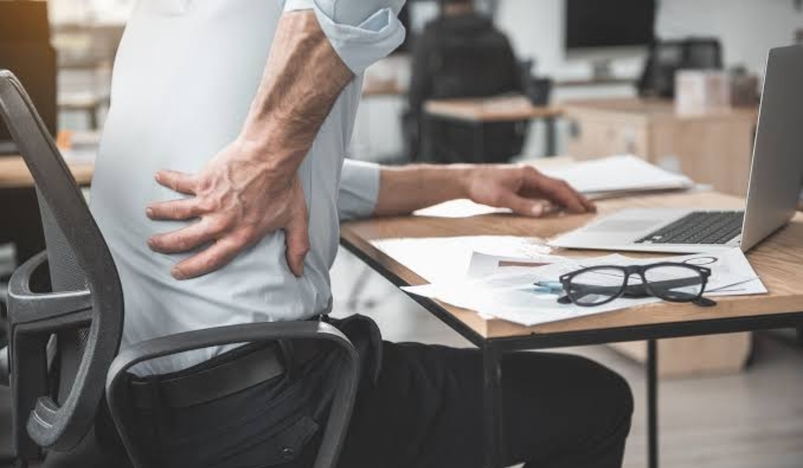
For many people, sitting is unavoidable. Office work, commuting, studying, watching television and scrolling on a phone can add up to hours of sedentary time every day. But when long periods of sitting become routine, the effects can extend well beyond a stiff back or tired legs.
Research has consistently linked high levels of sedentary behaviour with poorer health outcomes. The concern is not simply the seated position itself, but the lack of muscle activity and energy use that comes with remaining inactive for long stretches.
Your Muscles Become Less Active
Large muscles in the legs and hips do very little work while you remain seated. Over time, too much inactivity can contribute to weaker muscles, reduced mobility and tightness around the hips. Poor sitting posture may also place extra strain on the neck, shoulders and lower back.
Circulation Can Slow
Remaining in one position for a long time can reduce blood flow in the legs. This may contribute to swelling and discomfort. Extended immobility is also a recognised risk factor for blood clots in susceptible people, particularly during very long journeys or periods of restricted movement.
It May Affect Metabolic Health
Physical inactivity changes how the body uses energy. Prolonged sedentary time has been associated with insulin resistance, type 2 diabetes and weight gain. Regular movement helps muscles use glucose and supports healthier metabolic function.
Heart Health Can Be Affected
People who spend a large proportion of their day sedentary tend to have a higher risk of cardiovascular disease. Sitting less and replacing inactive time with light or moderate physical activity can help support heart and circulatory health.
Your Back and Neck May Feel the Strain
Sitting for hours - especially with poor posture - can put pressure on the spine and surrounding muscles. Leaning toward a screen, slouching or using a poorly positioned chair can contribute to neck pain, shoulder tension and lower-back discomfort.
Exercise Helps, but Movement Throughout the Day Matters Too
A regular workout is important, but it does not necessarily erase every effect of spending the rest of the day almost completely inactive. Health guidance increasingly emphasises both regular exercise and reducing prolonged sedentary time.
Simple Ways to Sit Less
Small changes can add meaningful movement to the day. Stand up regularly, walk while taking phone calls, use stairs when practical, take short walking breaks and change position frequently. Even light activity is better than remaining seated continuously.
The Bottom Line
The goal is not to avoid sitting altogether. Instead, try to break up long periods of inactivity and make movement a normal part of the day. If work requires hours at a desk, frequent short movement breaks can be a practical place to start.
Note: This article is for general information and is not a substitute for professional medical advice. Anyone with persistent pain, swelling, breathing difficulty or other concerning symptoms should seek appropriate medical care.

_20-08-2026_05-08.jpg)
_27-51-2026_11-51.png)
_27-43-2026_12-43.png)



.jpg)
.jpg)




.jpg)


.jpg)
.png)
.jpg)













Leave a comment