


 By Guest - September 02, 2026

Washington | September 2, 2026
US President Donald Trump and senior administration officials had been weighing limited military strikes against Iranian targets around the Strait of Hormuz, according to a report by Axios citing three US officials.
The reported plan was developed by US Central Command (CENTCOM) and was intended to prevent Iran from rebuilding radar, air-defense and anti-ship missile capabilities that US officials believe could be used to threaten commercial tankers, US Navy vessels and American aircraft operating around the strategic waterway.
According to the report, US Defense Secretary Pete Hegseth supported the proposal and it was sent to the White House for consideration. Officials said the administration had initially leaned against approving additional strikes because of concerns that they could trigger a broader escalation with Tehran.
That calculation appeared to shift as tensions increased. The report followed renewed exchanges of fire involving US and Iranian forces, including Iranian missile attacks targeting US positions in the region and US action against Iranian forces accused of preparing threats to shipping in the Strait of Hormuz.
The situation moved beyond the planning stage on September 1. CENTCOM said US forces completed a new wave of strikes against Islamic Revolutionary Guard Corps targets in Iran, including air-defense sites, radar systems, maritime assets and facilities, mine-laying capabilities and communications sites. CENTCOM said the strikes followed recent attempted attacks against commercial shipping in the Strait of Hormuz and against American service members.
Trump later described the latest US strikes as justified and warned Iran against further retaliation, while Tehran has continued to issue warnings of a forceful response to additional US military action. The exchange has raised fresh concerns over a wider confrontation in the Gulf and the security of commercial shipping.
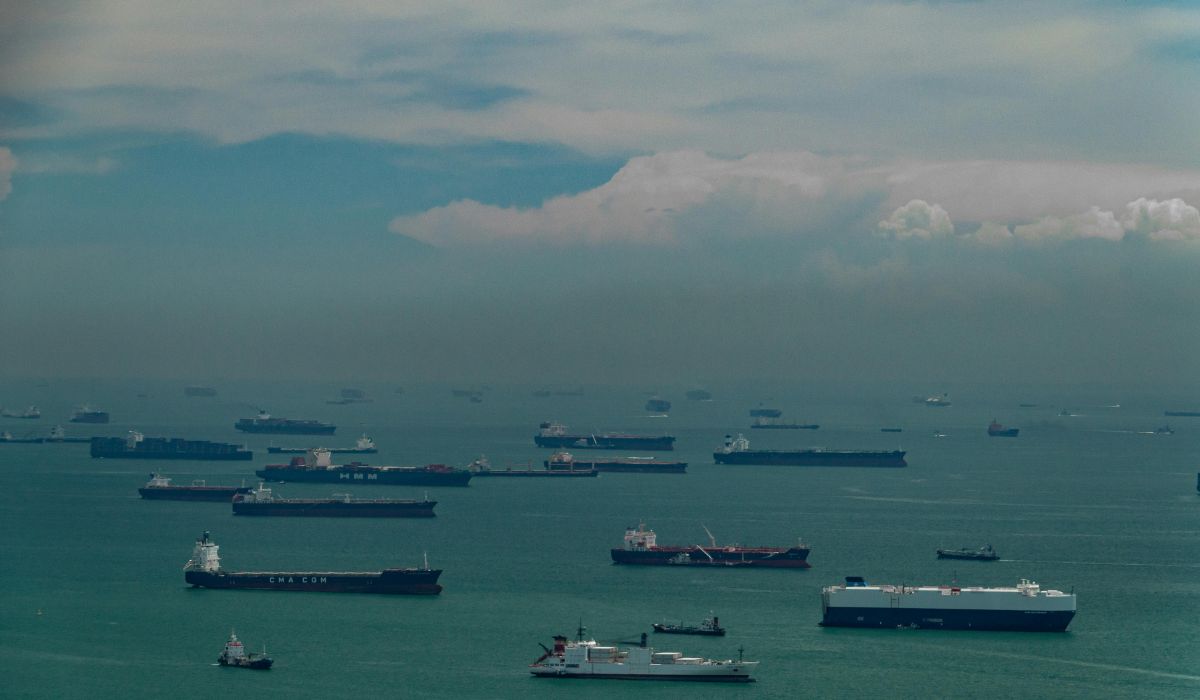
The Strait of Hormuz is one of the world’s most important energy chokepoints, connecting the Gulf with the Gulf of Oman and the Arabian Sea. US Energy Information Administration data show that oil flows through the strait fell sharply during the 2026 conflict, underscoring the route’s importance to global energy markets and the potential economic impact of prolonged disruption.
With military activity continuing and diplomatic efforts under strain, developments around the Strait of Hormuz remain a key focus for governments, shipping companies and energy markets across the region and beyond.
Sources: Axios; Reuters; U.S. Central Command (CENTCOM); U.S. Energy Information Administration (EIA)





_20-08-2026_05-08.jpg)
_27-51-2026_11-51.png)
_27-43-2026_12-43.png)



.jpg)
.jpg)




.jpg)


.jpg)
.png)
.jpg)













Leave a comment