


 By neha - June 23, 2026
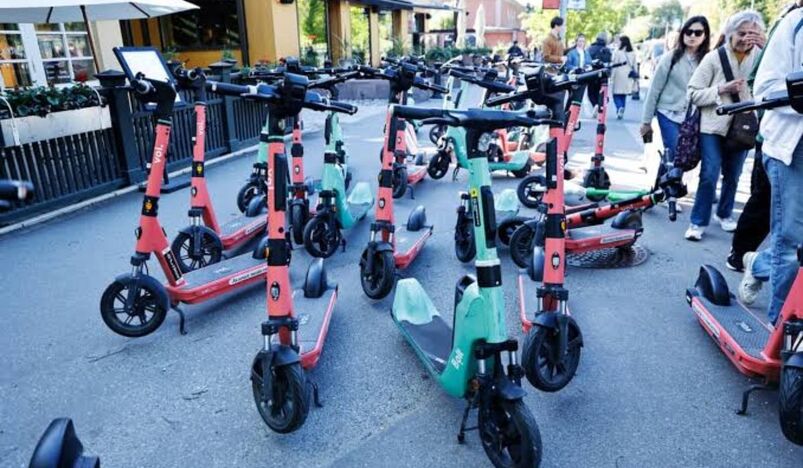
Doha: Summer vacation has arrived in Qatar. Schools are closed. Children have hours of free time on their hands. And electric scooters have never been more popular. But one senior traffic official is urging parents to stop and think before handing the keys over.
Captain Hamad Salem Al Nahab spoke to Qatar TV on June 22, 2026. He serves as Traffic Awareness Officer at the General Directorate of Traffic within the Ministry of Interior. His message was direct. Electric scooters look like toys but they are not. They move fast, and they can cause serious accidents even inside residential neighbourhoods.
Why Electric Scooters Are a Growing Safety Problem
Electric scooters have grown rapidly in popularity across Qatar and the wider Gulf region. Parents often buy them as gifts or as a fun way to keep children active. That is understandable. What many parents miss, however, is an important distinction.
An electric scooter is not just a toy. It is a motorised vehicle. It reaches speeds that can cause real physical harm in a crash. Captain Al Nahab made this point clearly in his Qatar TV appearance. Many parents provide scooters to children for recreation while overlooking what these devices are actually capable of.
The concern is not limited to Qatar. Across the UAE, major e-scooter accidents nearly doubled in 2025 compared to the previous year. A joint analysis of UAE Ministry of Interior traffic data found a 97% rise in serious e-scooter crashes. The wider micro-mobility category, covering e-scooters, electric bikes and similar devices, recorded a 45% rise in serious accidents.
Globally, the research is equally alarming. A 2026 study published in the journal Injury found that e-scooter injuries among children in the United States increased every single year between 2020 and 2024. Boys under 18 accounted for nearly 71% of all cases. Children between 11 and 14 years old made up the largest group at 38% of total injuries. Head injuries, broken bones, and internal trauma were among the most commonly reported outcomes.
Medical researchers at Boston Children's Hospital and Johns Hopkins found a consistent pattern. Boys face the highest risk. Risk-taking behaviour, low use of helmets and limited road safety experience combine to make young male riders especially vulnerable. The same dynamics apply in residential streets across Qatar during the long summer months.
What Captain Al Nahab Specifically Called For
Captain Al Nahab did not just raise the alarm. He outlined specific actions for both parents and drivers.
He called on motorists to slow down in residential areas and fully comply with posted speed limits. Speed limits in residential zones exist for exactly this reason. Children are unpredictable. They move fast. They appear without warning. A driver who is already travelling slowly has time to react. One who is not does not.
He stressed that drivers must stay alert at all times in neighbourhoods where children are present. The sudden appearance of a child on an electric scooter from between parked cars or around a corner is a genuine and recurring hazard. Anticipating that risk before it happens is far more effective than reacting after.
For parents, Captain Al Nahab was equally clear. Their responsibility does not end at buying the scooter. It extends to where and how their children use it.
Parents must direct children to use electric scooters only in safe, designated areas. Public parks and open spaces within residential compounds are the appropriate environments. Roads, pavements along busy streets and areas not built for scooter activity are off limits. Allowing children to ride on roads, even quiet-looking ones, creates a genuine danger.
Where Children Should and Should Not Ride
This point deserves special attention because it is one parents most commonly overlook.
The right places for children to use electric scooters are public parks, designated cycling or recreational paths, and the open areas within private residential compounds. These spaces keep scooter users away from moving cars and provide room to manoeuvre safely.
The wrong places are everywhere else. Roads, including side streets and cul-de-sacs, are not safe for unsupervised children on electric scooters. Neither are busy pedestrian areas where fast-moving scooters clash with people on foot. Even pavements along main roads carry risk, as driveways and junctions create collision points.
Captain Al Nahab reinforced the need for parents to communicate these boundaries clearly and consistently to their children. Setting the rules once is not enough. Children need regular reminders, especially at the start of a long summer when enthusiasm is high and caution tends to run low.
The Bigger Picture for Summer Road Safety in Qatar
The summer period consistently sees a rise in outdoor activity across Qatar. Children spend more time outside. Families visit parks and open areas. Residential streets see heavier use. At the same time, the summer driving environment can carry its own risks. High temperatures affect alertness. Long daylight hours mean children stay out later.
Captain Al Nahab's appeal is therefore timely. He called specifically for cooperation between parents and motorists. Neither group can carry this responsibility alone. Parents control where their children ride. Drivers control how fast they travel through neighbourhoods. When both groups act responsibly, the risk to children falls sharply.
Road safety in Qatar falls under the General Directorate of Traffic, which runs regular awareness campaigns throughout the year. The ministry has consistently emphasised that residential road safety requires active participation from the public, not just enforcement by traffic authorities.
What Parents Should Do Right Now
If your child uses an electric scooter this summer, here are the steps that matter most. Choose safe locations away from roads. Set clear rules and explain the reasons behind them. Ensure your child wears a helmet and appropriate protective gear at all times. Supervise younger children directly. For older children, regularly check that the rules are being followed.
If you drive through residential areas in Doha or elsewhere in Qatar, slow down. Switch off the habit of maintaining speed through side streets. Assume that a child could appear at any moment and drive accordingly.
Electric scooters will only become more common in Qatar's neighbourhoods. The season to address their risks is now, before accidents happen rather than after.

_20-08-2026_05-08.jpg)
_27-51-2026_11-51.png)
_27-43-2026_12-43.png)



.jpg)
.jpg)



.jpg)


.jpg)
.png)
.jpg)











Leave a comment