


 By neha - July 10, 2026
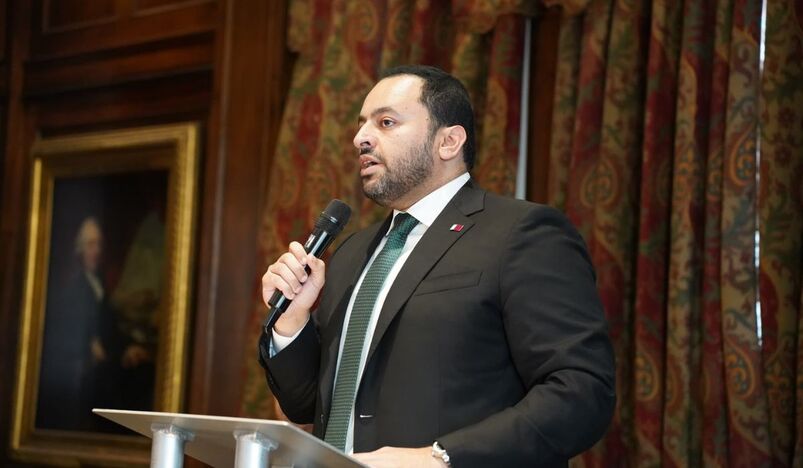
Qatar's top diplomat delivered a rare, detailed defense of his country's mediation strategy. He spoke at Chatham House in London on July 9, 2026.
Dr. Mohammed bin Abdulaziz bin Saleh Al Khulaifi gave the speech. The talk was titled "Qatar: The Future of Diplomacy and Mediation Opportunities and Challenges."
Mediation As A Constitutional Duty
Al Khulaifi said mediation runs deeper than ordinary foreign policy for Qatar. He called it a reflection of deep constitutional conviction instead.
He pointed to Article 7 of Qatar's Constitution directly. That article commits the country to resolving disputes through peaceful means.
He explained that Qatar never chooses between relationships with rival parties. Instead, it works to preserve every relationship, even during deep disagreements.
Talking to one side, he stressed, never signals agreement with them. Keeping dialogue open during a crisis often becomes a nation's most valuable contribution.
Why Mediation Now Counts As Strategy
Al Khulaifi argued that global influence once depended mainly on military or economic power. He said that assumption no longer holds up today.
Modern conflicts blend military, political, economic, and technological pressures together. They also involve non-state actors, companies, and international organizations.
He called mediation a strategic necessity rather than a simple diplomatic tool. Building peace during a conflict matters just as much as ending it.
The Pressures Facing Modern Diplomats
Al Khulaifi noted that governments no longer control every crisis alone. Armed groups, humanitarian agencies, tech firms, and online influencers now shape outcomes too.
He warned that artificial intelligence can spread misinformation faster than facts spread. Cyberattacks can also disrupt fragile diplomatic channels overnight.
Public opinion, he added, can harden before negotiators even meet. Diplomacy must move faster today without losing the patience trust requires.
The Three Pillars Behind Qatar's Approach
Al Khulaifi outlined three pillars behind successful mediation efforts. He named them access, trust, and perseverance.
Access means keeping communication open with every party, even unpopular ones. Trust grows through consistency, confidentiality, and dependable follow-through over time.
Perseverance matters most, he said, since peace processes rarely move in straight lines. Setbacks happen, talks pause, and progress often resumes later.
Where Qatar Has Put This Into Practice
Al Khulaifi referenced Qatar's mediation work across several major crises. He cited Afghanistan negotiations and humanitarian efforts tied to Gaza hostage releases.
He also mentioned Qatar's dialogue support in Chad. Talks in the eastern Democratic Republic of the Congo made his list as well.
He said none of these processes moved through sudden breakthroughs. Careful engagement and quiet persistence produced whatever progress they achieved.
Why Middle Powers Matter More Today
Al Khulaifi argued middle powers now play a growing global role. Major powers anchor international security, while regional powers manage their own neighborhoods.
Middle powers, he said, excel at helping parties reach outcomes rather than forcing them. They create diplomatic space where consensus becomes possible.
He added that credibility matters more than raw power for these nations. Complete neutrality may be rare, but fairness remains achievable in every case.
A Mediator's Real Job, According To Al Khulaifi
Al Khulaifi distinguished between what conflict parties want and what mediators do. Parties protect their own interests, while mediators protect the path to dialogue.
He said mediators cannot decide outcomes for anyone. Their job stays limited to keeping the possibility of agreement alive.
He also described an odd paradox in the profession. Success often makes a mediator less visible, since credit goes to the compromising parties.
Closing Thoughts On Peace And Patience
Al Khulaifi closed with a nod to Nelson Mandela's famous insight on peacemaking. Making peace, he said, means engaging directly with your adversary, not avoiding them.
He said trust cannot be built at social media speed. Reconciliation, he added, remains a fundamentally human and gradual process.
He predicted growing demand for credible mediators ahead. Climate pressure, AI risks, and resource competition will all deepen that need over time.
_20-08-2026_05-08.jpg)
_27-51-2026_11-51.png)
_27-43-2026_12-43.png)



.jpg)
.jpg)




.jpg)


.jpg)
.png)
.jpg)













Leave a comment