


 By Guest - July 23, 2026

Qatar has tightened key aspects of its residency framework in 2026, most notably by halving the grace period available to expatriates after a residence permit is cancelled or expires. For the country's large expatriate population and the employers who sponsor them, the changes demand closer attention to permit timelines than ever before. Here is a guide to the current rules and what has changed.
The Headline Change: Grace Period Cut to 14 Days
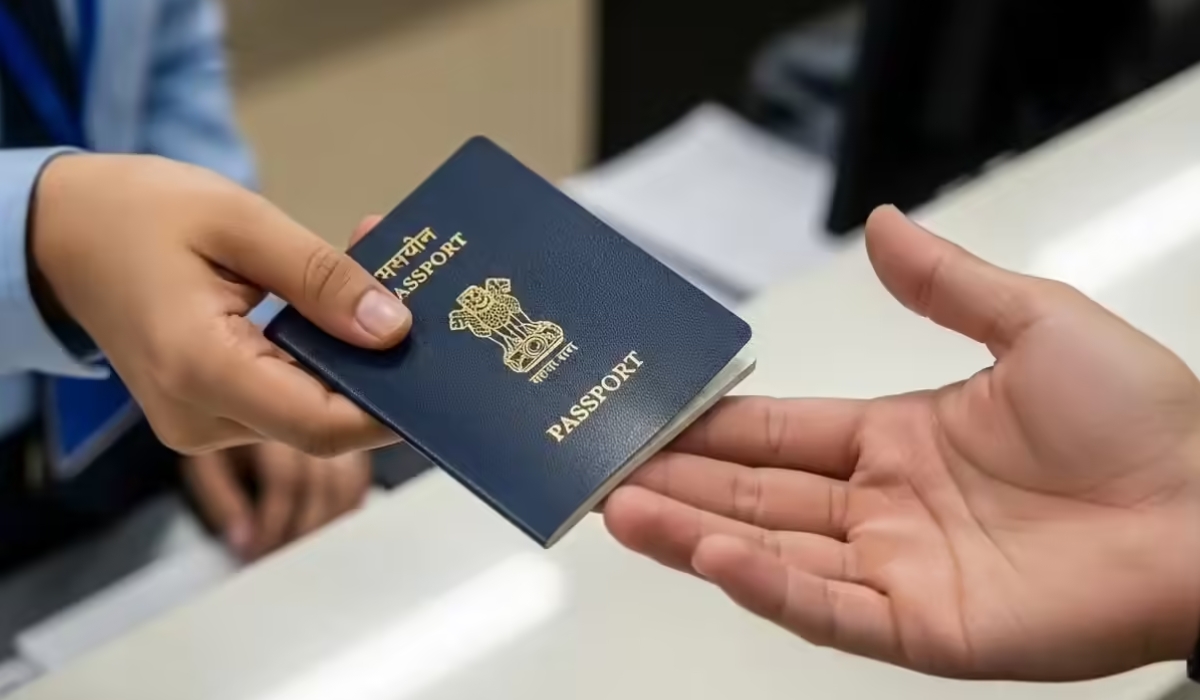
In June 2026, Qatar's Ministry of Interior announced that the grace period following the cancellation or expiry of a residence permit (Iqama) has been reduced from 30 days to 14 days. The change was announced by Captain Ali Ahmed Ali al-Kuwari of the Airport Passports Department during a Ministry of Interior webinar on safe travel procedures.
Under the new rule, once a residence permit is cancelled, the holder has 14 days to either leave Qatar, transfer their sponsorship to a new employer, or otherwise regularise their status. Critically, the countdown begins from the date of cancellation itself, not from the date the individual becomes aware of it, making it essential to confirm the exact date.
Who Is Affected
● Employees whose residence permit is cancelled following resignation or termination.
● Dependents sponsored under a residence permit that is cancelled.
● Anyone whose residence permit lapses without being renewed.
The rule does not apply to tourists or visitors on short-term visit visas, which operate under their own separate regime and carry a different overstay penalty.
Overstay Penalties
Remaining in Qatar beyond the 14-day window incurs a fine reported at QAR 10 per day for each day of overstay. Visit visa holders who overstay face a considerably steeper penalty, reported at QR 200 per day. Beyond financial penalties, unresolved overstays can complicate future travel, block re-entry, and escalate into enforcement action under Law No. 21 of 2015, which governs the entry, exit, and residence of expatriates in Qatar.
Reports at the time of the announcement noted that it remained unclear whether the reduced grace period is a temporary measure or a permanent change to policy. Separately, Qatar's temporary visa extension facility for stranded travellers also came to an end in June 2026.
What Employers Must Do
The shortened window places a heavier compliance burden on sponsoring employers. Companies are advised to track permit expiry and cancellation dates closely, and to notify affected employees promptly so that they have sufficient time to arrange departure, complete a sponsorship transfer, or regularise their position before penalties begin to accrue.
The Wider Residency Framework in 2026
Qatar's residence permit system continues to operate around sponsorship, with permits typically issued through an employer, a family member, or via investment, and requiring medical fitness testing, fingerprinting, and biometric registration as part of the process. Most applications, renewals, and cancellations are now processed digitally through the Ministry of Interior's online channels, reducing paperwork and allowing applicants to track progress.
Job mobility remains considerably easier than in the past. Following labour reforms introduced in 2020, expatriates no longer require a No Objection Certificate (NOC) from their employer in order to change jobs, a position that continues to apply in 2026, though proper notice and Ministry of Interior documentation are still required.
For those seeking longer-term security, the Mustaqel Visa, launched in 2024, offers a five-year renewable residence permit for entrepreneurs and exceptionally talented individuals, allowing holders to sponsor themselves and their families and to own property. Family residence permits, meanwhile, remain available to sponsors who meet the applicable salary thresholds, verified through the Wage Protection System, and who can provide supporting documentation such as marriage and birth certificates.
Practical Advice
The most important step under the new rules is simply to renew early. Late renewal can lead to fines and, in some cases, cancellation of the permit altogether. Expatriates should confirm the exact cancellation date if their permit is ending, move quickly to secure a sponsorship transfer if they intend to remain, and keep documentation in order throughout. Where a situation is complex or a violation has already occurred, seeking advice from the Ministry of Interior or a qualified professional at the earliest opportunity is advisable.
Note: This article is for general information only and does not constitute legal or immigration advice. Qatar's residency rules, fees, and grace periods are subject to change, and some details of the 2026 measures were still being clarified at the time of writing. Always verify the current position with Qatar's Ministry of Interior or a qualified professional before acting.



_20-08-2026_05-08.jpg)
_27-51-2026_11-51.png)
_27-43-2026_12-43.png)

_03-27-2026_08-27.jpg)

.jpg)
.jpg)




.jpg)


.jpg)
.png)
.jpg)












Leave a comment