


 By neha - June 25, 2026
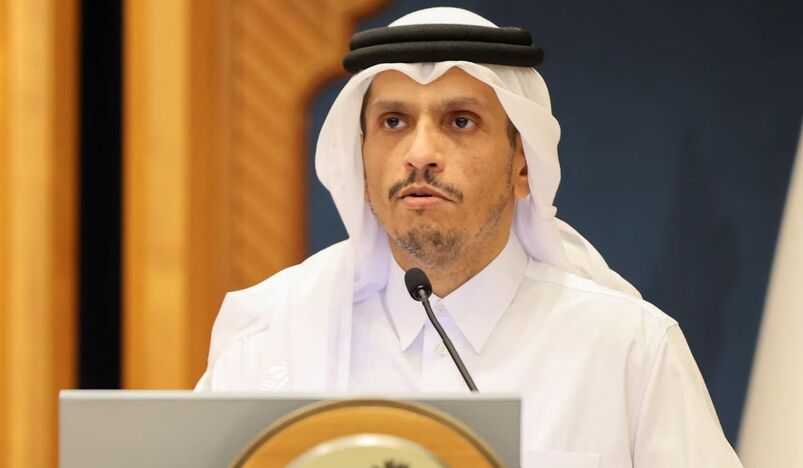
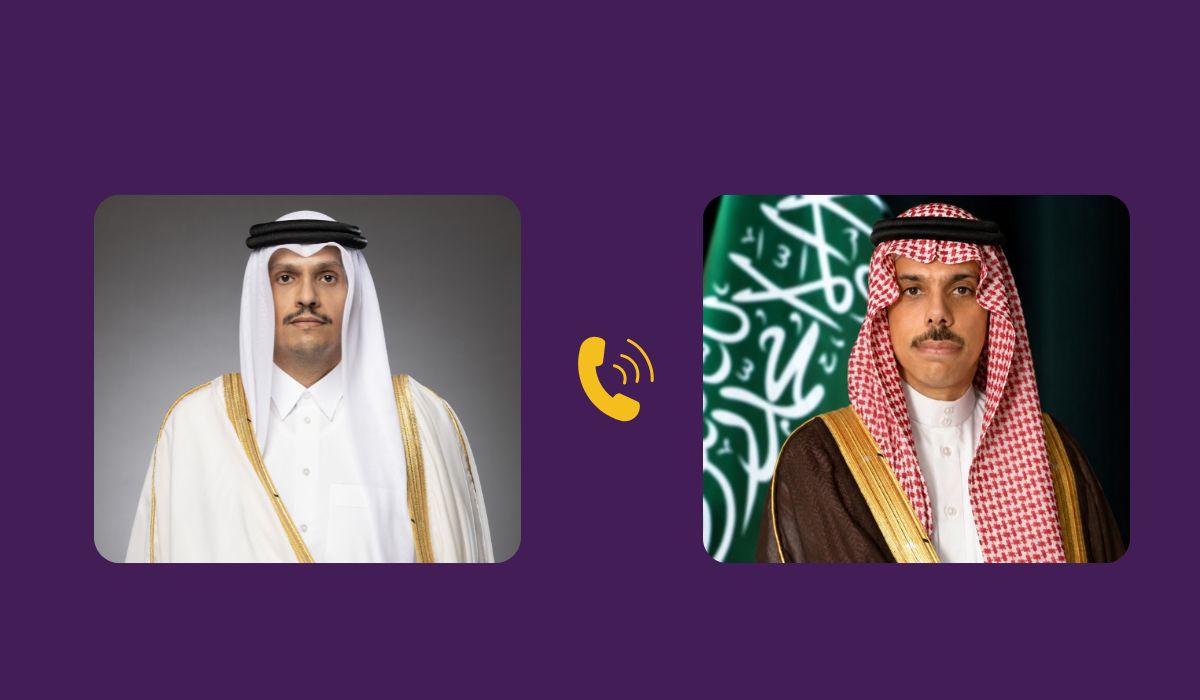
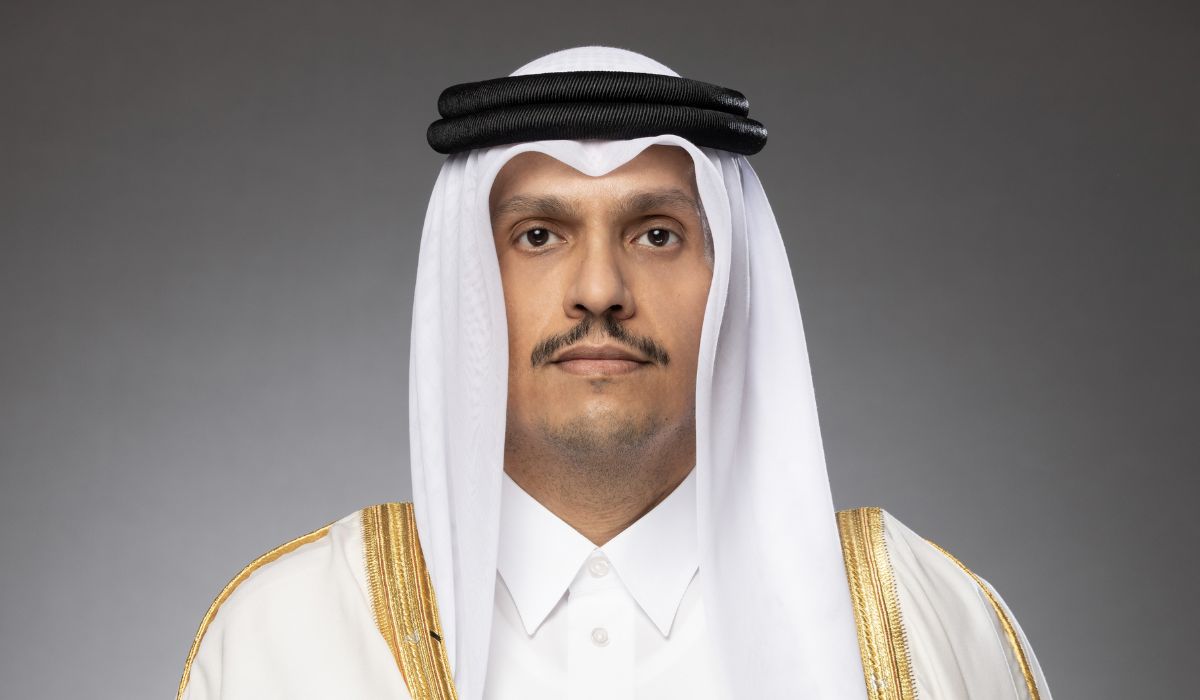
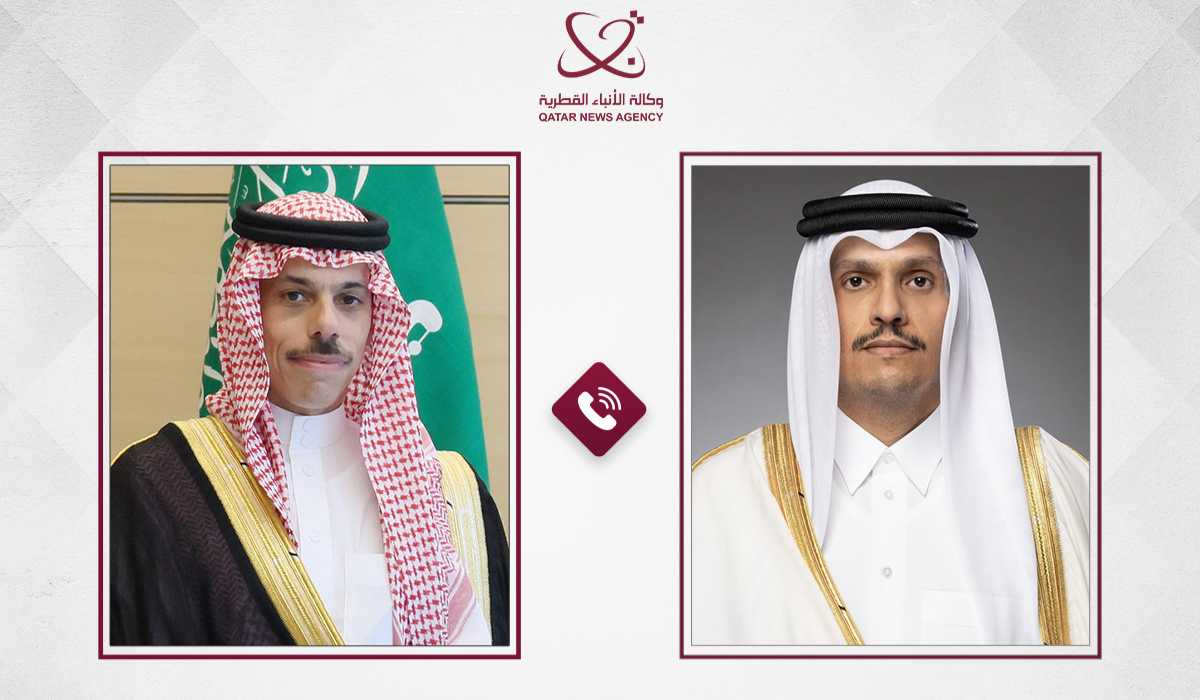
Qatar's Prime Minister and Minister of Foreign Affairs HE Sheikh Mohammed bin Abdulrahman bin Jassim Al-Thani held a phone call with Saudi Arabia's Minister of Foreign Affairs Prince Faisal bin Farhan bin Abdullah Al Saud on Wednesday night. The two senior diplomats discussed bilateral ties and reviewed a region now standing at one of its most significant diplomatic turning points in decades.
At the centre of that conversation was the Islamabad Memorandum of Understanding — the landmark framework agreement signed on June 17, 2026 between the United States and Iran. Both Qatar and Saudi Arabia played active roles in brokering it. Now they are navigating what it means for their shared neighbourhood.
What the Two Leaders Discussed
The Qatari Prime Minister and the Saudi Foreign Minister covered three interconnected areas during the call.
First, they reviewed bilateral cooperation between Qatar and Saudi Arabia. They discussed how to strengthen and develop those ties going forward. The relationship between the two Gulf neighbours has deepened considerably since the blockade years ended in 2021.
Second, they exchanged views on the latest regional developments. The Gulf now faces a landscape fundamentally altered by the US-Iran MOU — a ceasefire framework that ended over three months of active warfare, reopened the Strait of Hormuz to commercial shipping, and launched a 60-day negotiating window for a fuller settlement.
Third, and most significantly, the Qatari PM reaffirmed Qatar's full support for the ongoing US-Iran negotiations. He expressed Doha's backing for dialogue and peaceful means to resolve all outstanding issues. The goal, Qatar's position makes clear, is sustainable solutions — not temporary arrangements — that produce lasting security, regional cooperation, and shared prosperity.
Qatar's Role in the Islamabad MOU
This phone call does not happen in a vacuum. Qatar was one of the core mediators that made the US-Iran deal possible.
On June 11, 2026, key gaps in the negotiations — including the release of $24 billion in frozen Iranian assets, the reopening of the Strait of Hormuz, and protocols for managing Iran's nuclear programme during a ceasefire — were narrowed through talks between Iranian officials and Qatari mediators in Tehran, coordinated with the United States.
Qatar's Ministry of Foreign Affairs later welcomed the electronic signing of the MOU between Washington and Tehran on June 14 and 17, calling it a renewed affirmation of both sides' commitment to resolving differences through negotiation. Pakistan's Prime Minister Shehbaz Sharif specifically praised Qatar's constructive efforts in facilitating the agreement, noting that it was brokered primarily by Pakistan with Qatar, Saudi Arabia, Turkey, and Egypt all contributing to the mediation.
At the Bürgenstock talks in Switzerland on June 21, Qatar's Prime Minister sat alongside Pakistan's Prime Minister Shehbaz Sharif before a quadrilateral meeting involving the United States and Iran. The image of those two leaders standing together in Switzerland captures how central both countries have become to this diplomatic process.
Saudi Arabia's Cautious Optimism
Saudi Arabia's position on the MOU has been characterised as one of measured hope. Saudi Arabia and Iran share decades of regional rivalry. The 2026 US-Iran war, launched with joint American and Israeli airstrikes on February 28, 2026, raised alarm across the Gulf. The Strait of Hormuz — through which a fifth of the world's oil supply flows — was disrupted for months. Gulf economies felt every tremor of that conflict.
Abdulaziz Alshaabani, a Saudi political analyst, summarised the Kingdom's stance. "From a Saudi perspective, the US-Iran agreement is viewed with cautious optimism, as it reduces the risk of military escalation and gives the region an opportunity to move away from heightened tensions and uncertainty," he said.
Saudi Arabia, alongside Qatar and the UAE, had consistently advocated diplomacy over military action during the Iran conflict — a position grounded in geographic reality. These countries sit closest to Iran. They have the most to lose from regional instability.
The Kingdom had frustrations with some aspects of the MOU as well. Gulf Cooperation Council states were not entirely satisfied that the framework addressed Iran's use of shorter-range missiles and drones, or that it adequately curtailed the Iranian-backed network of proxy groups across the region. But those concerns are now deferred to future negotiations within the 60-day window.
What the Islamabad MOU Actually Contains
For readers following this diplomatic story, the MOU's structure matters. The document is a 14-point framework — not a final peace treaty.
It calls for an immediate and permanent end to military operations on all fronts. It reopens the Strait of Hormuz to toll-free commercial shipping for 60 days. It lifts the American naval blockade on Iranian ports. It immediately waives but does not yet eliminate sanctions on Iran's oil exports. It establishes a 60-day window for negotiating a comprehensive settlement.
On the nuclear question — the most sensitive file — the MOU calls for Iran to downgrade its uranium from weapons-grade to reactor-grade following a final agreement. But it stops far short of the detailed verification architecture that defined the 2015 JCPOA. Only two of the document's 14 points mention Iran's nuclear programme directly.
The Iranian ballistic missile programme is not addressed. The network of Iran-aligned proxy groups is not addressed. The United States committed to supporting a $300 billion international reconstruction fund for Iran. These omissions and commitments have drawn significant criticism from the US Congress and from Israel.
Israeli Prime Minister Benjamin Netanyahu has not agreed to the MOU. Israel insists Lebanon is not covered by the ceasefire clauses — a position US officials dispute.
Why Qatar and Saudi Arabia Are Talking Right Now
The timing of Wednesday's phone call reflects the current pace of diplomatic work. The MOU's 60-day negotiating window is already running. Every week inside that window matters.
Qatar and Saudi Arabia both have direct interests in the outcome of the next phase of US-Iran talks. They share a stake in keeping the Strait of Hormuz open. They share a stake in preventing any return to active conflict. They also share concerns about what a poorly structured final agreement might leave unresolved — particularly on Iran's missile capabilities and regional influence.
The two countries also face the same structural question now confronting every GCC state: how to recalibrate relations with both Washington and Tehran as the regional order reshapes itself. Confidence in Washington's reliability as a long-term security guarantor has shifted. The Gulf states remain dependent on American military presence from bases in their territory. But the events of 2026 have demonstrated that American strategic priorities can move quickly and unpredictably.
Direct dialogue between Doha and Riyadh at the foreign ministerial level — like Wednesday's phone call — is exactly how two neighbouring powers manage that kind of uncertainty. They compare notes. They align positions. They coordinate what they will say and what they will press for in the next diplomatic phase.
Qatar's Consistent Diplomatic Position
Qatar's support for dialogue with Iran is not a new stance. It is a consistent thread running through years of Qatari foreign policy.
Doha maintained diplomatic relations with Tehran throughout periods when most Gulf states kept their distance. Qatar mediated between the United States and Taliban leaders in Afghanistan. It hosted Hamas political offices while simultaneously maintaining working ties with Israel's regional partners. It served as an intermediary in the US-Iran nuclear file even before the 2026 war broke out.
That track record is why Qatar earned a seat at the mediation table during the Islamabad process. Pakistani Prime Minister Sharif credited Qatar specifically alongside his own country's efforts.
Qatar's Prime Minister has now reaffirmed that position publicly through Wednesday's call. Doha backs the ongoing negotiations. Doha supports peaceful and sustainable solutions. Doha wants regional security, expanded cooperation, and shared prosperity — not just a ceasefire that holds for 60 days before the next cycle of tension begins.
What Comes Next
The 60-day negotiating window under the Islamabad MOU is already under pressure. The first high-level US-Iran talks in Switzerland on June 21 did not produce a final agreement — they produced a commitment to continue. Technical negotiations on uranium enrichment levels, IAEA inspection protocols, sanctions relief sequencing, and Iranian asset releases are each individually complex. Fitting all of them into two months, against a backdrop of deep mutual distrust and domestic political pressure in both Washington and Tehran, is an enormous challenge.
Analysts have mapped three scenarios. The most optimistic is a genuine breakthrough — a comprehensive technical agreement that locks in the nuclear file and creates a durable framework. The middle scenario is a managed stalemate — the window expires, both sides declare partial success, and negotiations extend. The most pessimistic scenario is collapse — an Israeli or Iranian action that shatters the ceasefire before a final deal is reached.
The phone call between Qatar's Prime Minister and Saudi Arabia's Foreign Minister is one small piece of the diplomatic architecture being built to push toward the first scenario and prevent the third. It signals active engagement. It signals coordination. And it signals that the Gulf's leading diplomatic voices are not standing back while others shape the region's future.
Key Facts at a Glance
- Call participants: HE Sheikh Mohammed bin Abdulrahman bin Jassim Al-Thani (Qatar) and Prince Faisal bin Farhan bin Abdullah Al Saud (Saudi Arabia)
- Date: June 25, 2026
- Topics: Bilateral Qatar-Saudi relations, regional developments, US-Iran MOU
- Islamabad MOU signed: June 17, 2026 by Trump and Iranian President Masoud Pezeshkian
- Key MOU terms: End of military operations, Strait of Hormuz reopened, 60-day negotiating window
- Qatar's mediation role: Active facilitator of gap-narrowing talks in Tehran on June 11
- MOU brokered by: Pakistan (primary), with Qatar, Saudi Arabia, Turkey and Egypt supporting
- Outstanding issues in MOU: Iran's nuclear programme details, ballistic missiles, proxy groups
- Next phase: US-Iran technical negotiations ongoing, deadline within 60-day ceasefire extension

.jpg)

_20-08-2026_05-08.jpg)
_27-51-2026_11-51.png)
_27-43-2026_12-43.png)



.jpg)
.jpg)




.jpg)


.jpg)
.png)
.jpg)












Leave a comment