


 By neha - July 10, 2026
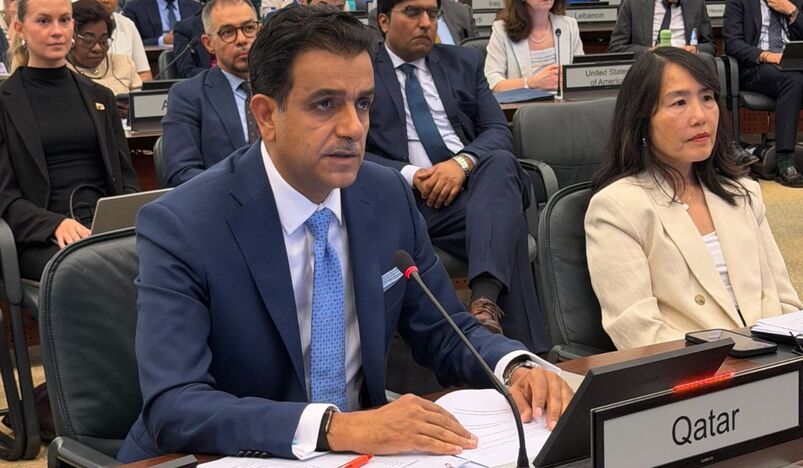
Syria just regained its full standing at the world's chemical weapons watchdog. Qatar drafted the decision that made it happen.
The OPCW Executive Council approved the move on July 9, 2026. It happened during the body's 112th session in The Hague.
What The Council Actually Decided
Qatar submitted the draft decision on Syria's behalf. Sixty-six states co-sponsored it, the largest backing any OPCW draft has received.
The Council adopted the text by consensus. Every member state present supported the reinstatement.
This ends a suspension dating back to April 2021. The Conference of States Parties imposed it over the former Assad government's actions.
Syria can now exercise its full rights as an OPCW member. That includes voting rights and full participation across the organization.
Why Syria Lost Its Rights In The First Place
Investigators repeatedly linked the former Syrian government to chemical attacks during the civil war. Reports found forces used sarin gas and chlorine barrel bombs.
Those attacks killed and injured thousands of civilians over the years. The OPCW's Investigation and Identification Team documented several confirmed incidents.
The 2021 suspension carried mostly symbolic weight. Still, it sent a clear signal about the Chemical Weapons Convention's red lines.
What Changed Since The Assad Government Fell
Syria's new leadership took several concrete steps after Assad's exit in December 2024. Officials amended the country's original weapons declaration to the OPCW.
Investigators located remnants of the former regime's clandestine weapons program this year. That included raw materials and munitions tied to past attacks.
The OPCW Director-General visited Damascus in February 2025 for direct talks. Syria's foreign minister later addressed the Executive Council himself in March 2025.
Technical teams deployed to Syria multiple times afterward. They visited suspected sites, collected samples, and gathered relevant documents.
What The Council Approved Alongside Reinstatement
The Executive Council also approved a detailed destruction plan. It covers Category 3 chemical weapons stored at Al Qutayfah.
Separate facility agreements now govern verification at two key sites. Both Al Qutayfah and Homs will face systematic international monitoring.
Syria must still meet every obligation under the Convention going forward. The Council will keep reviewing progress toward full elimination.
How Officials Reacted To The Decision
OPCW Director-General Fernando Arias called the decisions a milestone for verified disarmament. He credited sustained cooperation between Syria and the Technical Secretariat.
Syria's ambassador to the OPCW called the vote a signal of international support. He framed it as recognition of Syria's return as an active member.
Syria's Foreign Ministry thanked supporting nations, naming Qatar's diplomacy specifically. Officials pledged continued transparent cooperation with the organization going forward.
Why Qatar's Role Matters Here
Qatar led months of consultations to build consensus among member states. That groundwork produced the largest co-sponsorship total in OPCW history.
The outcome reflects Qatar's growing profile as a regional mediator. Doha has taken an active diplomatic role in Syria's broader reintegration.
This decision adds to a string of recent wins for Damascus. Washington also began delisting Syria as a terror sponsor around the same week.

_20-08-2026_05-08.jpg)
_27-51-2026_11-51.png)
_27-43-2026_12-43.png)



.jpg)
.jpg)



.jpg)


.jpg)
.png)
.jpg)












Leave a comment