


 By neha - May 18, 2026

Qatar is one of those places that quietly surprises you. You show up expecting a glossy Gulf stopover and leave with camel dust on your shoes, a head full of museum memories, and a craving for Machboos that no restaurant back home can fix. In 2026, this small peninsula punching well above its weight continues to cement itself as one of the most compelling travel destinations in the Middle East — and the world.
Whether you are booking your first international trip or adding another stamp to a well-worn passport, this guide covers everything: when to go, how to get your visa, where to sleep, what to eat, how to get around, and which corners of the country are genuinely worth your time.
What Is Qatar Like in 2026?
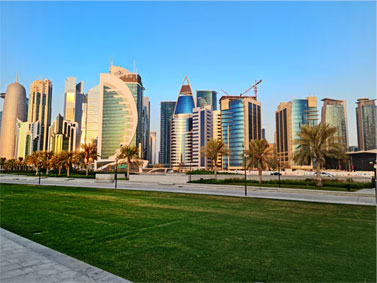
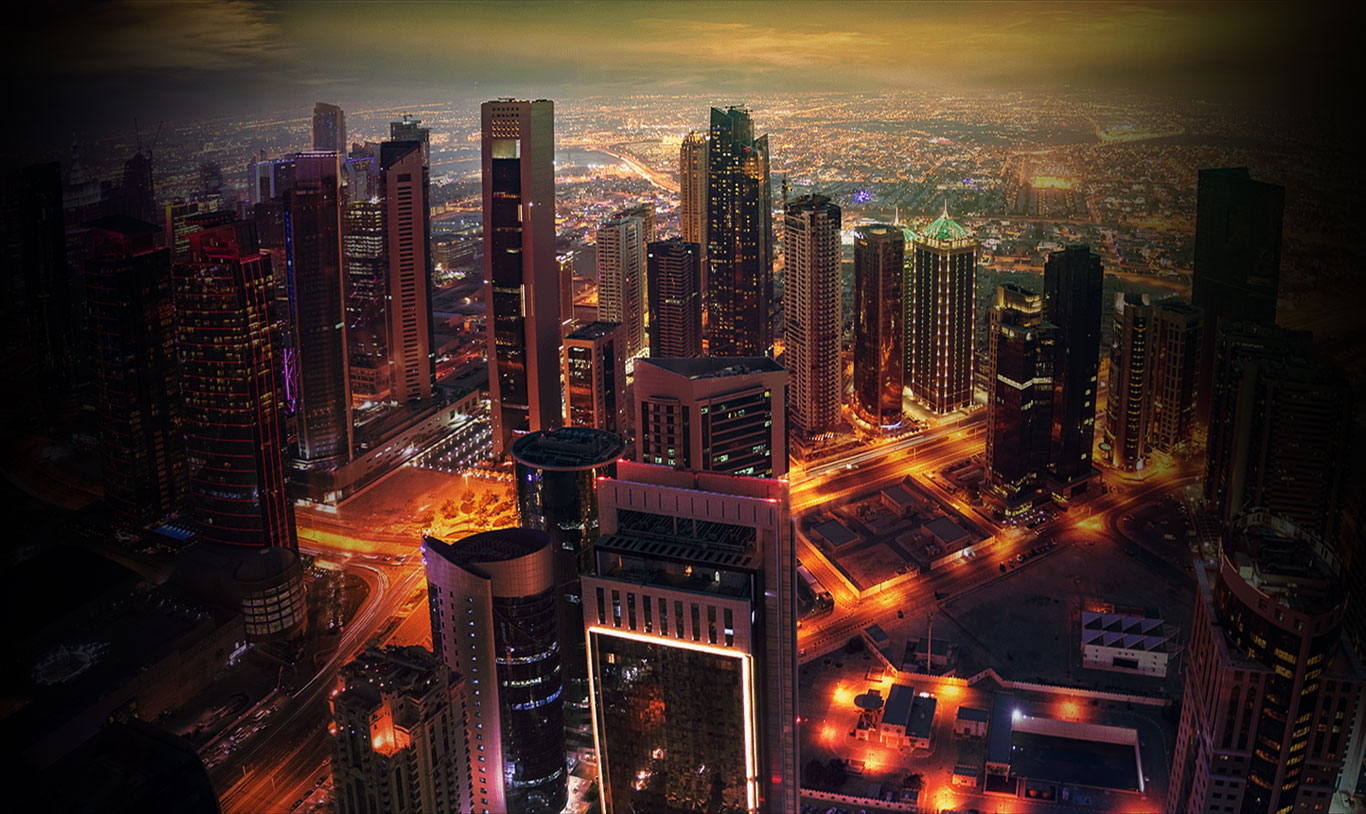
Qatar is a peninsular Arab nation nestled between Saudi Arabia and the Arabian Gulf. It is tiny — smaller than the state of Connecticut — but it carries an outsized energy. One of the wealthiest nations on earth per capita, Qatar has spent the last two decades investing in world-class infrastructure, arts, culture, and tourism. The 2022 FIFA World Cup put it on the global radar in a big way, and the country has continued building on that momentum ever since.
What strikes most visitors is the contrast. Ancient falconry traditions sit alongside a futuristic skyline. A century-old souq shares a city with a museum designed by I.M. Pei. The desert is 30 minutes from a waterfront promenade lined with cafés. That layering of old and new is not an accident — it is exactly the kind of experience Qatar has worked hard to create.
When to go to Qatar in 2026
The honest answer: Qatar really shines from November to March. Daytime temperatures hover between 18°C and 25°C (64–77°F), making it genuinely pleasant to walk around, explore outdoor markets, and spend time on the beach. This window also coincides with Qatar National Day (December 18), the Doha Film Festival, and several food and cultural events. The catch is that this is peak season — hotels fill up fast and prices go up, so book accommodation early.
April and October occupy a sweet spot for travellers who do not mind a bit of warmth. Temperatures are manageable, crowds are lighter, and you will often find better hotel rates than in winter.
June through September is brutal. Temperatures regularly exceed 40°C (104°F), sometimes climbing to 45°C. If you are visiting in summer for business or a connection, stick to indoor attractions — world-class museums, shopping malls, and air-conditioned restaurants make it survivable. Budget-conscious travellers will find this season has the steepest hotel discounts.
Qatar Visa Requirements 2026
Much of the world has been made remarkably easy to enter by Qatar.
Citizens of over 100 countries, including the US, UK, the EU, Canada, Australia and most GCC states, can enter visa-free. Depending on your nationality, you can stay from 30 to 90 days without applying in advance. Your passport must be valid for at least six months from your date of arrival and you will generally need proof of a return ticket and accommodation booking.
E-visa (Hayya portal): If you need a visa you can apply online through the Hayya platform before you travel depending on your nationality. The process involves uploading a passport copy, passport photo, hotel booking and return ticket. The fee is around QAR 100-300 and the processing time is around 4-7 working days. Once approved, the e-visa is emailed to you.
Visa on arrival is an option for certain nationalities at Hamad International Airport. Conditions apply — check the official Visit Qatar visa checker (visitqatar.com) before assuming you qualify.
Transit visa: Heading somewhere else and have a layover of five or more hours? Qatar offers a free transit visa for eligible nationalities. A great reason to add a quick Doha city tour to your itinerary.
One practical note: If you hold a valid visa or residency from a Schengen country, the US, UK, Canada, Australia, or New Zealand, you are generally eligible to apply for an e-visa through an expedited process.
Getting to Qatar
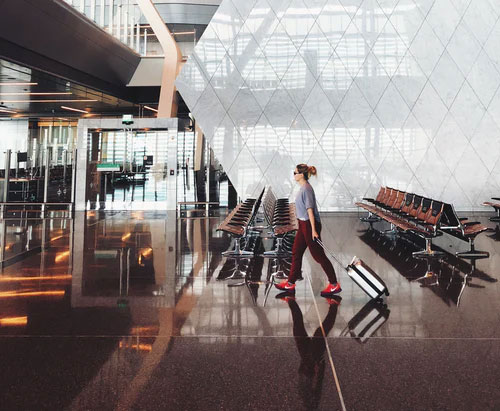
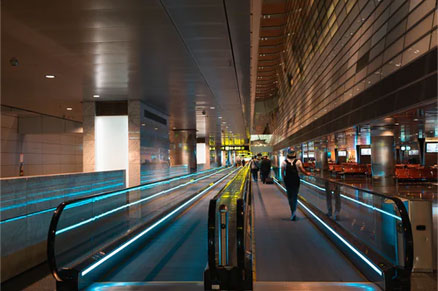
Qatar's main gateway is Hamad International Airport (DOH) in Doha. Named the world's best airport in 2021, 2022, and 2024, it is worth arriving a little early just to explore — there is a tropical indoor garden, contemporary art installations, serious dining options, and high-end shopping all under one roof.
Qatar Airways operates extensive global connections, and being the national carrier, it frequently runs good deals on early bookings. For travellers from India, direct flights connect Doha with Mumbai, Delhi, Bangalore, Chennai, Hyderabad, Kochi, and other major cities — flight times are around four to five hours. From the UK and Europe, it is roughly six to seven hours. From the US East Coast, budget around fourteen hours.
You can also enter Qatar by land from Saudi Arabia if you are already on a GCC road trip, or by sea through Doha Port, which hosts international cruise lines.
Getting Around Qatar
Doha Metro is fast, clean, cheap, and air-conditioned — exactly what you want in a hot country. The network connects major areas including the airport, West Bay, Souq Waqif, Msheireb, and The Pearl. A single journey is around QAR 2–3, which is excellent value. For tourists, the Doha Metro Day Pass is a smart buy.
Taxis and ride-hailing apps are reliable and affordable by Western standards. Uber and Careem both operate in Qatar, and you can pay through the app to avoid any cash negotiation. The local Karwa taxi service is also metered and trustworthy.
Car rental is the best option if you plan to venture beyond Doha — into the desert, up to Al Khor, or down toward Sealine Beach. Roads are generally excellent and well-signposted in both Arabic and English. International driving licences are accepted.
Dhow boat tours along the Doha Corniche or toward Banana Island are also available — a more atmospheric way to see the city from the water.
Top Places to Visit in Qatar
1. Souq Waqif, Doha
If you only go one place in Doha, make it Souq Waqif. This traditional market, dating back over a century, has been carefully restored rather than sanitised — you will find narrow alleys packed with spice vendors, perfume stalls, traditional handicrafts, shisha cafés, and some of the best Middle Eastern food in the country. In the evenings, the whole place comes alive with music, street performers, and families spilling out of restaurants onto the lanes. Go at night if possible — it is a completely different atmosphere to the daytime.
2. Museum of Islamic Art (MIA)
Designed by the legendary I.M. Pei, the Museum of Islamic Art is one of the finest museums in the world, full stop. It sits on its own small island connected to the Corniche, and the building itself is a masterpiece before you even walk through the doors. Inside, the collection spans 1,400 years of Islamic art from three continents — metalwork, ceramics, jewellery, textiles, and manuscripts. Entry is free, and the café overlooking the bay is perfect for a mid-morning coffee.
3. The Pearl-Qatar
Built on an artificial island, The Pearl is Qatar's answer to Monaco — luxury apartments, yacht-filled marinas, high-end boutiques, and restaurants with sea views. It is entirely walkable and a pleasant place to spend a few hours even if you are not spending at the luxury level. The Qanat Quartier, inspired by Venetian design with an indoor canal, is particularly photogenic.
4. Katara Cultural Village
Just north of The Pearl, Katara is a purpose-built cultural hub that manages to feel genuinely alive despite that description. It hosts concerts, film screenings, art exhibitions, and international food festivals throughout the year. The architecture blends Islamic and Qatari design, and the beach here is one of the more accessible in Doha. Worth an afternoon, especially if there is an event on.
5. Msheireb Downtown Doha
Qatar's ambitious urban regeneration project in the heart of old Doha. The development restored and preserved heritage buildings while integrating them with thoughtfully designed new architecture. The Msheireb Museums — four connected heritage houses — tell the story of Qatari life, culture, and the transition from pearl diving to the oil era. Surprisingly moving for a museum tucked inside what could have easily been just a real estate development.
6. The Inland Sea (Khor Al Adaid)
A UNESCO-recognised natural phenomenon about an hour south of Doha, the Inland Sea is where the desert meets the Gulf in a way that looks almost impossible. Towering sand dunes drop straight into turquoise water. Getting here requires a 4x4, and most visitors do it as part of a desert safari that includes dune bashing, camel riding, and a barbecue under the stars. It is absolutely worth a full day.
7. Al Zubarah Fort and Archaeological Site
If you want to get off the Doha tourist trail, drive two hours northwest to Al Zubarah. This UNESCO World Heritage Site was a major pearl-diving and trading town in the 18th and 19th centuries, now an extensive archaeological site with a beautifully restored fort. It is one of the best-preserved historic settlements in the Gulf region, and the emptiness of the surrounding landscape gives it a haunting, memorable quality.
8. Lusail City
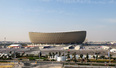
Qatar's newly developed smart city north of Doha is where the 2022 World Cup final was played. Lusail Stadium is still there and available to tour, and the city's waterfront and entertainment districts are continuing to develop. It is not a finished destination yet, but an interesting glimpse at where Qatar is heading.
Where to Stay in Qatar
Luxury (QAR 600+/night): The Four Seasons Doha, St. Regis Doha, and Mandarin Oriental are consistently top-rated, all positioned along the Corniche or West Bay. For a unique experience, Banana Island Resort Doha by Anantara offers overwater bungalows just offshore. Desert camps around Khor Al Adaid offer glamping that is genuinely romantic rather than merely marketed as such.
Mid-range (QAR 200–350/night): A solid selection of 3- and 4-star hotels operates around Al Sadd, near the airport, and along the Corniche. The Marriott Marquis and Hilton Doha offer good value relative to their quality, and you can often find significant discounts by booking a few weeks ahead.
Budget (QAR 100–150/night): Hostels and budget hotels exist, primarily in the older parts of Doha. They are clean and functional, and the Doha Metro means you do not need to be in a premium location to access everything easily.
What to Eat in Qatar
Qatari food is deeply satisfying and, outside the tourist restaurants, genuinely affordable.
Machboos is the national dish — slow-cooked meat (often lamb or chicken) over spiced rice with dried limes. Find it at local cafeterias for around QAR 20–30 and you will eat like a local. Harees (slow-cooked wheat and meat porridge) is a Ramadan staple you can find year-round if you look. Luqaimat (sweet fried dumplings drizzled with date syrup) are the street snack worth hunting down near Souq Waqif.
For a special meal, Nobu Doha at the Four Seasons offers exceptional Japanese-Peruvian fusion with Gulf views. Hakkasan at the St. Regis does refined Chinese and pan-Asian. Damascus One in Souq Waqif is the go-to for traditional Middle Eastern in an atmospheric setting.
Alcohol is available in Qatar but only at licensed hotels and certain clubs. You will not find it in restaurants outside these venues, and it is completely absent from public spaces. This is not a complicated adjustment — the food and coffee scene is excellent enough to make it a non-issue.
Qatar Travel Budget Breakdown
Qatar is not a cheap destination, but it is far more accessible than its reputation suggests. You can eat very well for very little if you skip the hotel restaurants and head to where the expat workers eat.
| Travel Style | Daily Budget (approx.) |
|---|---|
| Budget | QAR 150–250 / ~USD 40–70 |
| Mid-range | QAR 350–550 / ~USD 96–150 |
| Luxury | QAR 700–2,000+ / USD 190–550+ |
The Doha Metro makes getting around cheap (QAR 2–3 per journey). Many of Qatar's best attractions — the MIA, Msheireb Museums, Souq Waqif, Katara, and the Corniche walk — are either free or very low cost. The big expenses are accommodation and desert tours (typically QAR 150–250 per person for a group day trip).
Currency: Qatar uses the Qatari Riyal (QAR), pegged to the US dollar at QAR 3.64. Major credit cards (Visa, Mastercard, Amex) are accepted almost everywhere. Carry some cash for small vendors and souq stalls. ATM machines are plenty in malls and metro stations and generally don’t charge international card fees.
Cultural Tips and Local Customs
Qatar is a conservative Muslim country, but it is also one of the most welcoming to international visitors. It is not complicated to respect local customs – it is mostly a matter of awareness.
Dress code: In public places, especially in malls, government buildings and traditional areas like Souq Waqif, shoulders and knees should be covered.
Beachwear is fine at beaches and hotel pools. Qatari men often wear the white thobe; women wear the black abaya. You do not need to dress like a local, but dressing modestly is expected and appreciated.
Ramadan: If your trip falls during Ramadan (the dates shift each year), be aware that eating, drinking, and smoking in public during daylight hours is not permitted. Most hotels and malls have special areas for non-fasting visitors. But the evenings in Ramadan are lively. Iftar gatherings are warm affairs and the souqs come alive after sunset.
Friday: Friday is the holy day in Qatar. Many shops open late on Friday mornings, and business activity pauses during Friday prayers (around 10am–12pm). Embassies and government offices are closed Friday and Saturday.
Greetings: Qatari women generally do not shake hands with men, and many men will not shake a woman's hand as a sign of respect. Wait to see if a hand is offered before extending yours.
Photography: Always ask before photographing people, particularly women. Photography of government buildings, military sites and some public infrastructure is prohibited.
Alcohol: Available in licensed hotel bars and clubs only. Drinking in public is against the law.
Tap water: The tap water in Qatar is safe by WHO standards, but most locals and visitors prefer bottled water, which is cheap and widely available.
| Practical Information at a Glance | |
| Capital | Doha |
| Currency | Qatari Riyal (QAR) — USD 1 ≈ QAR 3.64 |
| Language | Arabic (English very widely spoken) |
| Time Zone | GMT+3 (no daylight saving) |
| Electricity | 240V, Type G plugs (same as UK) |
| Emergency Number | 999 |
| WiFi | Free at airport, malls, most public spaces |
| Internet | Fast and reliable; Qatar has 5G nationally |
| Safety | Ranked among the world's safest countries |
| Working Week | Sunday to Thursday |
Is Qatar Safe for Tourists?
Qatar is consistently ranked among the safest countries in the world. Crime rates are extremely low, and solo travellers — including women travelling alone — generally report feeling very comfortable. You can walk most areas of Doha at night without concern. As with any destination, keep an eye on your embassy's current travel advisories, particularly given regional dynamics in the Middle East.
The healthcare system is excellent. Hamad General Hospital is the main public facility, and international standard private clinics are available throughout Doha.It is highly recommended to buy comprehensive travel insurance including medical coverage.
Frequently Asked Questions
Q: Do I need a visa for Qatar?
Citizens of over 100 countries enter visa-free for 30–90 days. Others can apply for an e-visa through the Hayya portal. Check visitqatar.com for the most current eligibility list.
Q: What is the best time to visit Qatar?
November to March. The weather is mild, the events calendar is full, and outdoor exploration is genuinely enjoyable.
Q: Is Qatar expensive?
Less than its reputation suggests. Accommodation and desert experiences are the main costs. Transport and local food are very affordable.
Q: Can I drink alcohol in Qatar?
Yes, at licensed hotel bars and clubs only. Not in public, at restaurants outside hotels, or anywhere that is not specifically licensed.
Q: Is English spoken widely?
Yes. Because of the large expat population, English is basically the working language of Doha. Signs, menus and other official materials are bilingual in Arabic and English.
Q: What is the currency in Qatar?
The Qatari Riyal (QAR), pegged to the US dollar at approximately 3.64.
Final Thoughts
Qatar is a destination that rewards curiosity. It is easy to visit — well-connected, English-friendly, safe, and increasingly geared toward international tourism. But the most memorable experiences here are the ones that sit slightly outside the tourist infrastructure: a late evening at Souq Waqif when the place is humming, standing at the edge of the Inland Sea as the dunes meet the water, or eating Machboos at a no-frills cafeteria where the TV is showing Arabic football.
Come between November and March if you can. Book accommodation early. Spend at least a day in the desert. And give the Museum of Islamic Art the two or three hours it deserves.
Qatar has spent years quietly building something worth visiting. In 2026, it is delivering on that promise.


_08-45-2026_03-45.jpg)
_20-08-2026_05-08.jpg)
_27-51-2026_11-51.png)
_27-43-2026_12-43.png)

.jpg)
.jpg)

.jpg)

.jpg)
.png)
.jpg)




Leave a comment