


 By Roysten Xavier - June 28, 2026
Essential Liver Care Tips: Protecting Your Liver
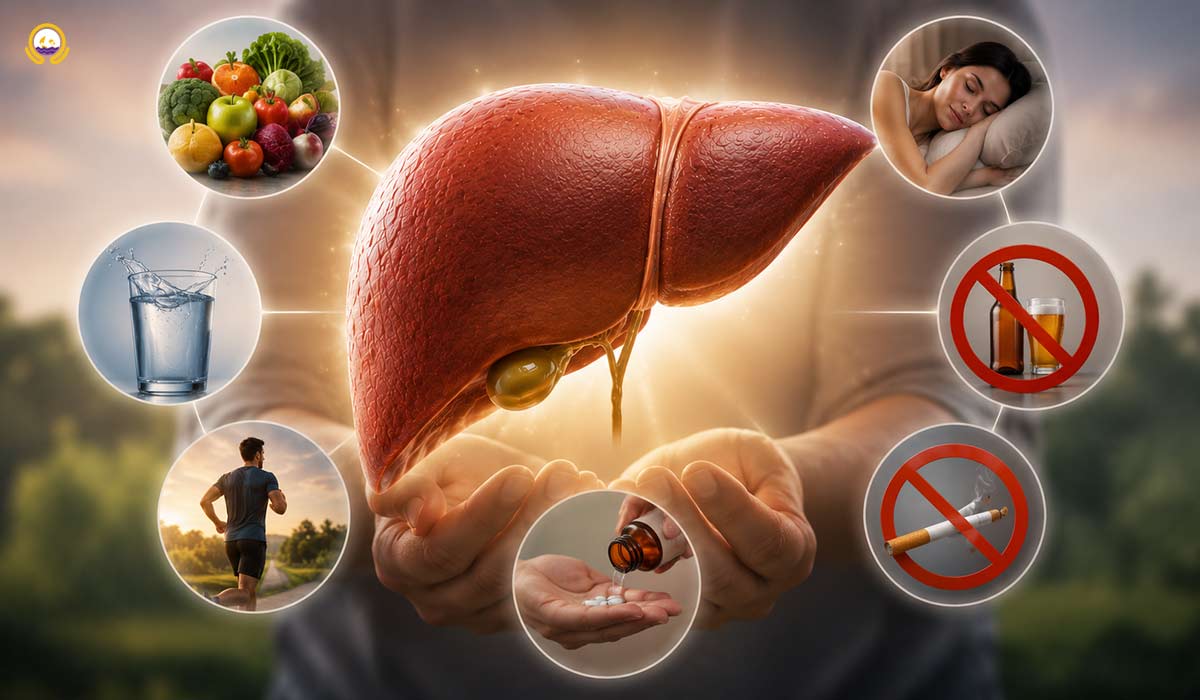
1. Limit or Eliminate Alcohol
Alcohol is one of the most damaging substances for your liver. Excessive drinking causes inflammation, fatty infiltration, and cirrhosis. For liver health:
• Women: Limit to one drink per day
• Men: Limit to two drinks per day
• Consider complete abstinence if you have liver disease
2. Maintain a Healthy Weight
Obesity dramatically increases the risk of fatty liver disease. Achieving and maintaining a healthy weight through balanced diet and exercise is crucial for liver health. Even a 5-10% weight loss can significantly improve liver function.
3. Eat a Liver-Healthy Diet
Your diet directly impacts liver health. Focus on:
• Whole grains over refined carbohydrates
• Lean proteins like fish, poultry, and legumes
• Plenty of fruits and vegetables rich in antioxidants
• Healthy fats from olive oil, nuts, and fatty fish
• Limited saturated fats and trans fats
• Minimal added sugars and processed foods
• Adequate fiber for digestive health
• Limit salt intake to reduce water retention and blood pressure
4. Stay Hydrated
Drinking plenty of water supports liver function and aids in detoxification. Aim for 8-10 glasses of water daily. Water helps flush toxins and supports optimal enzyme function.
5. Exercise Regularly
Regular physical activity reduces fat in the liver, improves metabolic function, and supports overall health. Aim for at least 150 minutes of moderate aerobic activity per week, combined with strength training.
6. Use Medications Wisely
Many medications can affect liver health. Protect your liver by:
• Using acetaminophen (Tylenol) sparingly and never exceeding 3,000-4,000 mg daily
• Always following medication instructions and recommended doses
• Informing your doctor about all medications and supplements you take
• Avoiding unnecessary antibiotics and other medications
• Discussing liver risks with your pharmacist
7. Be Cautious with Supplements
While many natural supplements are beneficial, some can damage the liver. Avoid or use cautiously:
• Kava (used for anxiety)
• Greater celandine
• Chaparral
• Comfrey
• Garcinia cambogia (hydroxycitric acid)
Always consult your doctor before taking supplements, especially if you have existing liver disease.
8. Avoid Toxin Exposure
Minimize exposure to environmental toxins and chemicals:
• Use proper ventilation when working with chemicals or paints
• Follow safety protocols when handling pesticides
• Filter your drinking water to remove contaminants
• Avoid moldy foods and foods with aflatoxins
• Wear protective equipment when necessary
9. Don't Smoke
Smoking increases oxidative stress and inflammation in the liver. Quitting smoking significantly benefits liver health and overall wellbeing.
10. Manage Stress
Chronic stress can affect liver function and increase inflammation. Practice stress-reduction techniques such as meditation, yoga, deep breathing exercises, or regular physical activity.
11. Get Vaccinated
Vaccines are available for Hepatitis A and B. Talk to your doctor about whether vaccination is appropriate for you, especially if you're at higher risk.
12. Practice Safe Behaviors
Prevent viral hepatitis transmission by:
• Using safe food and water practices when traveling
• Practicing safe sex and avoiding unsterile needle use
• Being cautious about tattoos and body piercings from reputable shops
• Not sharing personal items like toothbrushes or razors
'



_20-08-2026_05-08.jpg)
_27-51-2026_11-51.png)
_27-43-2026_12-43.png)



.jpg)
.jpg)




.jpg)


.jpg)
.png)
.jpg)













Leave a comment