


 By Bipin - July 13, 2026
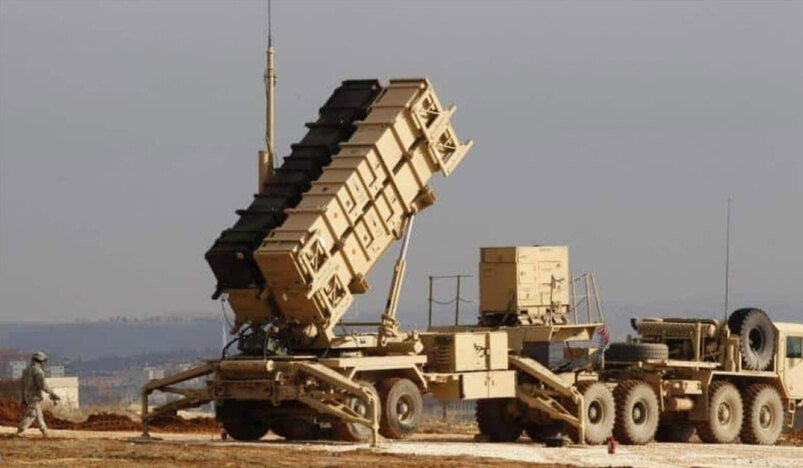
The General Staff of the Kuwait Armed Forces announced Monday that the country's air defence systems are engaging hostile aerial targets within Kuwaiti airspace. In an official statement, the military said any explosion sounds heard across parts of the country are the result of air defence systems intercepting the incoming hostile attacks.
The announcement reflects a now-familiar pattern for Kuwait, whose armed forces have repeatedly moved to reassure the public in recent days that loud explosions are the sound of successful interceptions rather than the attacks themselves reaching their targets.
Part of a Recurring Pattern This Month
Monday's interception follows a similar incident on Sunday, when the General Staff of the Kuwait Army said air defence systems had engaged hostile aerial objects after they entered the country's airspace, according to the Kuwait News Agency (KUNA). That statement, too, attributed explosions heard by residents to mid-air interception operations rather than direct strikes.
A nearly identical incident occurred the previous Wednesday, when Kuwait's air defense systems intercepted hostile missiles and drones early in the morning, according to the General Staff of the Kuwaiti Army. Local media reported warning sirens sounding across the country ahead of that interception, while Iran's state-run Press TV separately reported heavy explosions at the Ali Al Salem Air Base in Kuwait. That incident came shortly after the US military carried out a fresh round of strikes on Iranian territory.
A Sovereignty Violation That Prompted Diplomatic Action
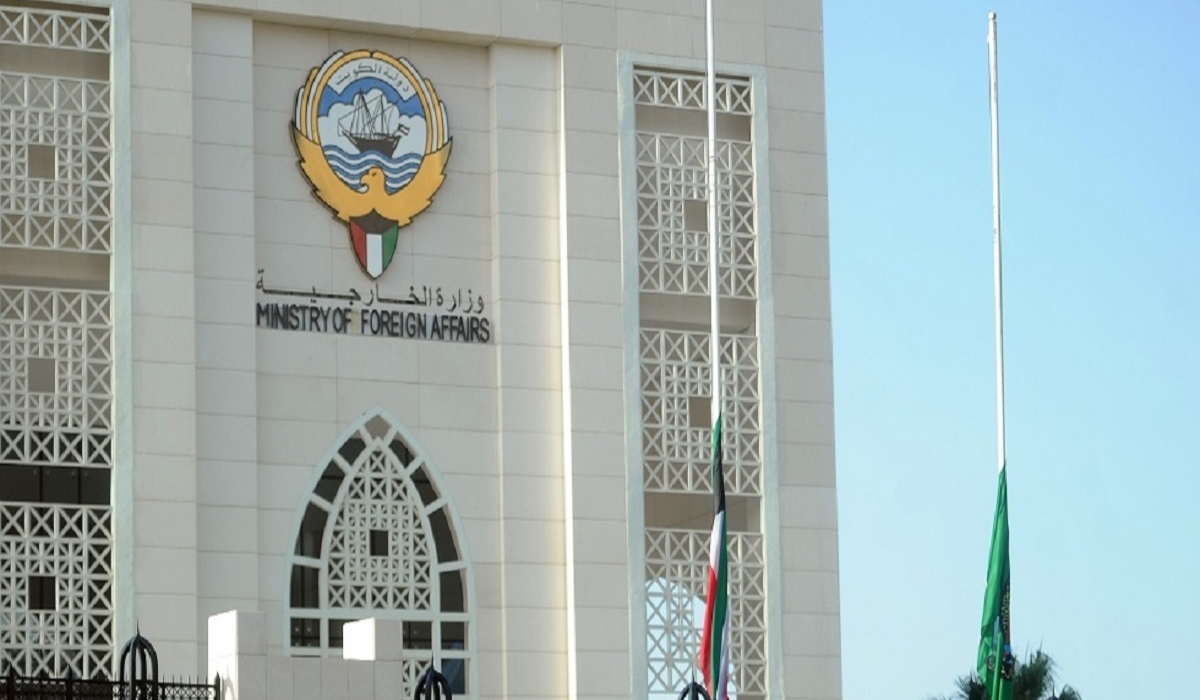
Kuwait's response to these repeated airspace incursions has not been limited to military interception. Following an earlier wave of attacks, Kuwait's Ministry of Foreign Affairs summoned Iran's ambassador to lodge a formal protest, condemning what it described as Iranian ballistic missile and drone attacks targeting Kuwaiti territory. The ministry singled out the targeting of civilian facilities, including Kuwait International Airport, as a violation of international humanitarian law, calling the incident "blatant aggression" and affirming Kuwait's right to self-defence under Article 51 of the UN Charter.
Standard Public Safety Guidance
Throughout the current wave of hostilities, Kuwait's Ministry of Defence has consistently urged citizens and residents not to touch any suspicious objects or debris, warning of the potential danger such items pose to public safety. The ministry has directed the public to report any suspicious objects by calling the national emergency number, 112, and to leave handling of such incidents entirely to the relevant authorities.
Context: A Ceasefire Unravelling Across the Gulf
Kuwait's repeated interceptions form part of a broader collapse in the informal calm that had followed a US-Iran memorandum of understanding reached in mid-June. Hostilities reignited after Iran attacked commercial shipping in the Strait of Hormuz, triggering several rounds of retaliatory US strikes on Iranian military sites, which Iran's Revolutionary Guard has answered with counterattacks on American-linked interests across the Gulf, with Kuwait, Bahrain, and Qatar all reporting incoming fire in recent days.
What to Watch
With Kuwait's air defences now having intercepted hostile targets on at least three separate occasions this month, attention turns to whether the Kuwaiti military discloses further details on the origin or type of projectiles involved, whether any additional diplomatic measures follow, and whether the broader US-Iran exchange shows signs of slowing in the days ahead.





_20-08-2026_05-08.jpg)
_27-51-2026_11-51.png)
_27-43-2026_12-43.png)



.jpg)
.jpg)



.jpg)


.jpg)
.png)
.jpg)













Leave a comment