


 By Simran - July 04, 2026

1. Employment & Labour Law
Qatar just amended its core labour law: Law No. 9 of 2026 introduced sweeping amendments including expanded noncompete durations, new strike conditions, mandatory joint committees, and enhanced Ministry enforcement powers, covering scope of application, vocational certification, dismissal grounds, and enforcement. Part-time and freelance workers are now excluded from the Labour Law, though the Council of Ministers may extend some provisions to them or create a separate framework. Related sub-topics:
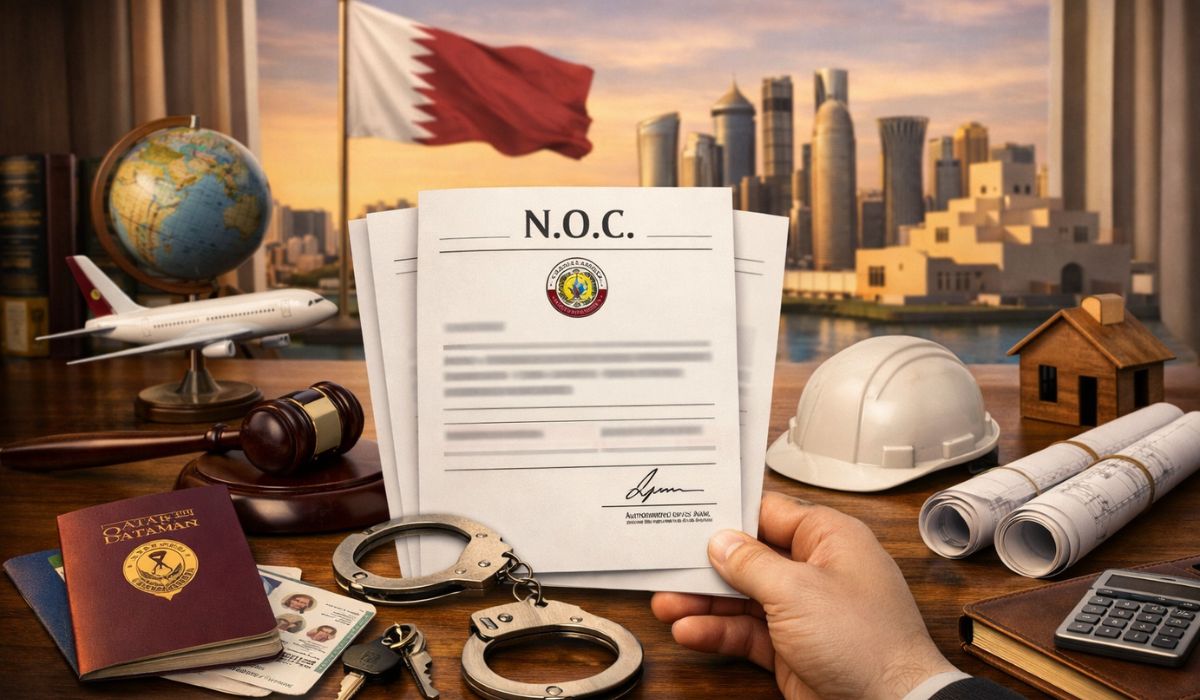
• End of the kafala/No Objection Certificate system — under Law No. 18 of 2020, employees can change jobs without an NOC, subject to notice periods.
• Wage protection — salaries are monitored through the Wage Protection System for regular, traceable payments, and a new penalty of QAR 2,000–10,000 and/or imprisonment applies for wage non-compliance, effective July 1, 2026.
• End-of-service benefits — gratuity is paid on completion of one year of service, calculated at a minimum of 21 days' basic wage per year of service.
• Working hours & heat protection — outdoor work is banned between 10:00 AM–3:30 PM from June 1 to September 15, and Ramadan working hours drop to 6 hours/day.
2. Residency & Immigration
• Health insurance is now tied to residency: valid health insurance is a prerequisite for issuing or renewing any residence permit for expatriate employees.
• Exit permit requirements were abolished for expatriates not covered by the Labour Law, per Ministry of Interior Decision No. 95 of 2019.
3. Dispute Resolution
Labour Dispute Resolution Committees were established in March 2018 to settle disputes within three weeks of filing a complaint, and complaints can now be filed electronically.
4. Housing, Family & Personal Status Law — relevant for expat tenancy rights, marriage/divorce recognition for foreigners, and custody, which fall outside the labour framework entirely (Qatar applies Sharia-influenced personal status law with some carve-outs for non-Muslim expats).
5. Criminal & Public Conduct Law — a common topic area for expats: laws on alcohol, public behavior, debt (bounced cheques are a criminal offense in Qatar), and social media conduct.

_20-08-2026_05-08.jpg)
_27-51-2026_11-51.png)
_27-43-2026_12-43.png)



.jpg)
.jpg)




.jpg)


.jpg)
.png)
.jpg)













Leave a comment