


 By neha - June 22, 2026
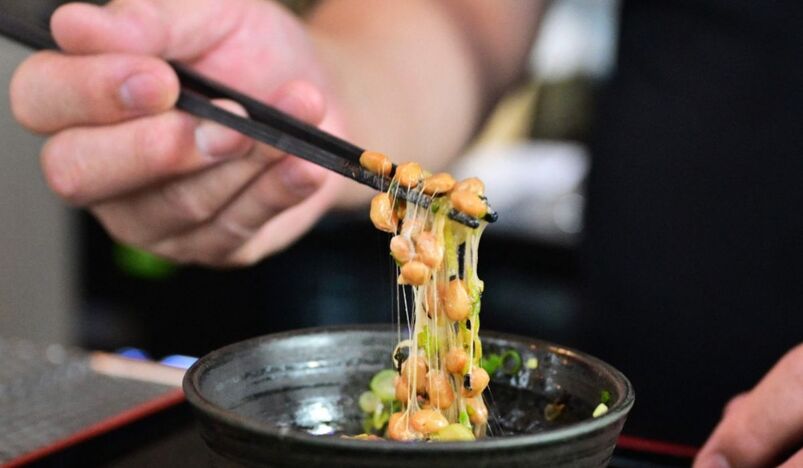
Japan's fermented soybean dish natto is winning new fans far beyond its home country. Export data shows shipments tripled between 2017 and 2025. China and the United States now top the list of buyers.
Natto remains a traditional Japanese breakfast staple. Its sticky texture and strong smell still divide opinion, even among Japanese people themselves.
Why Natto Divides Even Its Biggest Fans
Natto comes from soybeans fermented with a specific bacteria strain. The process leaves the beans sticky, stringy, and pungent. American tourist Wesley Smith tried natto during a recent trip to Tokyo. He compared the smell to a strong cheese, calling it an acquired taste.
His wife, Maya Bourdeau, described the flavor as similar to natural wine. Stirring the beans only makes them stickier, which puts many newcomers off the dish entirely.
A Global Shift Toward Fermented Foods
Natto is riding a broader wave of interest in fermented foods. Kimchi and kombucha have seen similar growth in recent years. Many Americans now seek out fermented foods for better digestive health.
This shift gained momentum after the Covid-19 pandemic pushed gut health into the spotlight. Regular natto consumption is often linked to stronger immunity and better digestion. Some studies also connect it to greater bone density.
Social Media Sparks Curiosity Abroad
Restaurant owners report a rise in non-Japanese diners trying natto for the first time. Kenji Suzuki runs a Japanese restaurant in Los Angeles. He says social media buzz around natto as a superfood sparked customer curiosity.
Some diners end up loving the dish, he says, while others stay unconvinced. Smith doubts natto will ever go fully mainstream in the United States. He points to its slimy texture as a barrier most American food simply doesn't have.
Rising Demand in China
Japan's trade promotion agency points to a different driver in China. Rising health consciousness among middle and upper income households is fueling interest in Japanese foods. Natto fits neatly into that broader trend toward healthier eating.
Natto Remains Famously Affordable, For Now
Natto has long been known in Japan for its low price. A pack of three small cups often sells for around 100 yen. That works out to roughly 60 US cents at supermarkets.
Recent price hikes have hit even this budget staple. Shortages of naphtha, an oil byproduct, have pushed up costs. Industry figures link the shortage to disruptions tied to the Middle East conflict.
A Push Toward Premium Natto
Some producers see rising prices as a chance to reposition natto entirely. Yoshihiro Noro, a longtime industry figure, wants to shed its old reputation as a cheap food. His family's brand, Kamakurayama Natto, sells at roughly three times the average price.
The product ships internationally to destinations including Hong Kong, Shanghai, Singapore, and Norway. Workers ferment the soybeans for 18 hours before packaging them for shipment. Noro believes newcomers who push through the unfamiliar taste often end up hooked.
Frequently Asked Questions
Q: What is natto made from?
Natto is made from soybeans fermented with a specific bacteria strain.
Q: Why does natto smell and taste so strong?
The fermentation process gives natto a sticky texture and a pungent, yeasty smell.
Q: Which countries import the most natto from Japan?
China and the United States are currently the top destinations for Japanese natto exports.
Q: Is natto considered healthy?
Yes. Natto is high in fiber and protein, and is linked to better digestion and immunity.
Q: Why has natto become more expensive recently?
Naphtha shortages tied to the Middle East conflict have driven up production costs.

_20-08-2026_05-08.jpg)
_27-51-2026_11-51.png)
_27-43-2026_12-43.png)



.jpg)
.jpg)




.jpg)


.jpg)
.png)
.jpg)













Leave a comment