


 By neha - July 28, 2026
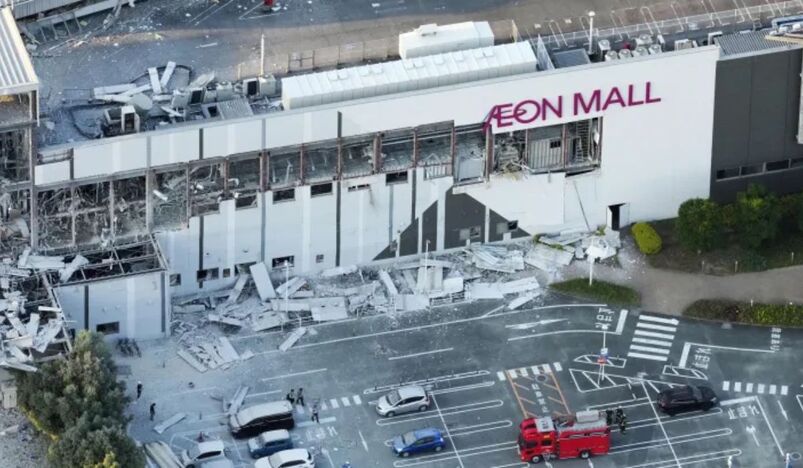
A magnitude 7.1 earthquake struck southern Japan on Tuesday. The tremor hit Kumamoto Prefecture on the island of Kyushu, knocking out power, disrupting train services, and triggering tsunami warnings across the region.
The event has renewed concerns about Japan's seismic risks and raised fresh questions for residents living along the Kyushu coastline. Here's what is known so far.
What Happened During the Kumamoto Earthquake
The earthquake struck near the city of Uki, south of Kumamoto City, at a depth of approximately 10 kilometers. Shallow earthquakes like this often produce stronger ground shaking and greater surface impacts.
Japan's government quickly issued emergency earthquake alerts across seven prefectures on Kyushu, including Kumamoto, Nagasaki, Kagoshima, Fukuoka, Saga, Oita, and Miyazaki.
Strong shaking was felt across the region, with many residents reporting powerful tremors followed by aftershocks. Authorities urged the public to remain calm and follow official safety guidance.
Tsunami Warning Issued After the Quake
The Japan Meteorological Agency issued a tsunami warning shortly after the earthquake, cautioning that waves of up to one meter could reach coastal areas. Residents near the shoreline were advised to move to higher ground immediately.
Officials warned that even relatively small tsunami waves can create dangerous currents capable of putting lives at risk. Coastal monitoring continues as authorities assess sea conditions.
Impact on Power, Transport, and Daily Life
Kyushu Electric Power reported that nearly 40,000 homes lost electricity following the earthquake. Restoration teams were deployed to affected areas to restore service as quickly as possible.
Rail operator JR Kyushu suspended multiple train services, including high-speed Shinkansen routes, resulting in widespread delays and cancellations across the region.
Schools, businesses, and public transportation experienced significant disruption as emergency responders prioritized public safety and infrastructure assessments.
Government Response and Official Statements
Prime Minister Sanae Takaichi addressed the nation soon after the earthquake, urging residents to remain alert for additional aftershocks while confirming that emergency damage assessments were already underway.
Government agencies and emergency services remain on standby in high-risk areas as engineers inspect buildings, roads, and other critical infrastructure. Authorities continue to provide regular public updates.
Are Nuclear Facilities in the Area Safe?
Japan's Nuclear Regulation Authority confirmed that no abnormalities were detected at nuclear power facilities within the affected region. Officials said all safety systems operated as designed during the earthquake.
Nuclear safety remains a major public concern in Japan following the 2011 Fukushima disaster. As a result, authorities routinely issue rapid safety updates after significant seismic events.
Why Kyushu and Japan Experience Frequent Earthquakes
Japan is located along the Pacific Ring of Fire, one of the world's most active seismic and volcanic zones. The country's position on multiple tectonic plate boundaries makes it highly susceptible to earthquakes.
Thousands of earthquakes occur across Japan every year, although most are too weak to be noticed. The country experiences a significant share of the world's magnitude 6.0 or stronger earthquakes.
Kumamoto has experienced devastating earthquakes before. In 2016, a series of powerful earthquakes struck the region, causing widespread destruction, hundreds of deaths, and thousands of injuries.
Lessons learned from previous disasters have led to stronger building standards, faster warning systems, and improved emergency response procedures aimed at reducing casualties during future earthquakes.
What Residents Should Do During Similar Earthquakes
During strong shaking, move away from windows and unsecured furniture, and take cover beneath a sturdy table or desk if possible. Avoid using elevators until authorities declare buildings safe.
People living near the coast should immediately move to higher ground if strong shaking occurs, without waiting for an official tsunami confirmation. Tsunami waves can arrive within minutes.
After the earthquake, check for gas leaks, structural damage, and other hazards. Stay away from damaged buildings and rely on official emergency broadcasts for updates and instructions.
Frequently Asked Questions
Q: How strong was the Japan earthquake?
The earthquake measured magnitude 7.1 and struck Kumamoto Prefecture on Japan's southern island of Kyushu.
Q: Was a tsunami warning issued?
Yes. Authorities issued a tsunami warning for waves that could reach up to one meter in height.
Q: Which areas were affected?
Kumamoto, Nagasaki, Kagoshima, Fukuoka, Saga, Oita, and Miyazaki prefectures experienced the earthquake.
Q: Were any nuclear power plants damaged?
No. Japan's Nuclear Regulation Authority reported no irregularities at nuclear facilities following the earthquake.
Q: Why does Japan experience so many earthquakes?
Japan sits on the Pacific Ring of Fire, where several tectonic plates meet, making it one of the world's most seismically active countries.
Final Thoughts on the Kyushu Earthquake
The magnitude 7.1 earthquake once again highlights Japan's ongoing exposure to seismic hazards. Rapid emergency warnings and coordinated government action likely helped reduce the overall impact.
Residents are encouraged to remain vigilant as aftershocks may continue in the coming days. Japan's investment in disaster preparedness, resilient infrastructure, and early warning systems remains critical to protecting lives during major earthquakes.

_20-08-2026_05-08.jpg)
_27-51-2026_11-51.png)
_27-43-2026_12-43.png)



.jpg)
.jpg)




.jpg)


.jpg)
.png)
.jpg)













Leave a comment