


 By neha - July 29, 2026
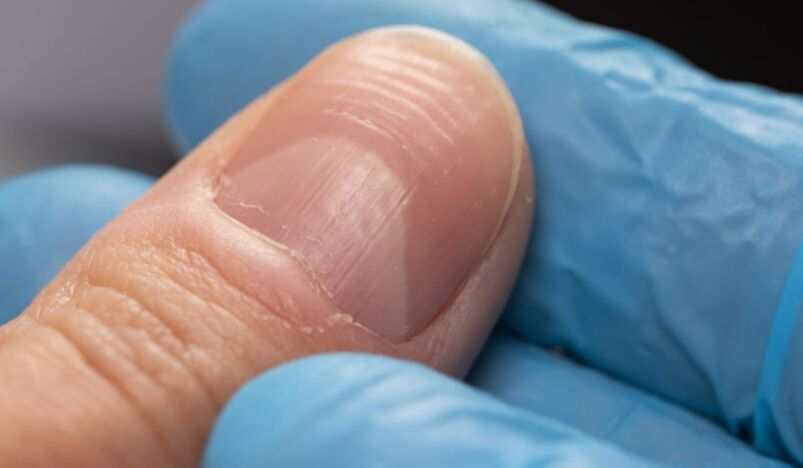
Look down at your thumbnail right now. Chances are you'll see a small, pale, half-moon shape sitting just above your cuticle. Most people never think twice about it. But this tiny feature, called the lunula, has quietly become a talking point in health circles, with some claiming it can hint at heart or kidney trouble.
So is there any truth to that? Here's what the lunula actually is, what changes might mean, and when it's genuinely worth discussing with a healthcare professional.
What Exactly Is the Lunula?
The lunula is the visible part of your nail matrix, the tissue beneath the skin responsible for producing new nail cells. As new cells grow and push the nail outward, the lunula appears as a pale crescent at the base of the nail. It is usually most visible on the thumb and gradually becomes less noticeable toward the little finger.
Because the lunula represents the newest and most active part of the nail, researchers believe it can sometimes reflect changes occurring elsewhere in the body. However, many healthy people naturally have small or barely visible lunulae because they are covered by the cuticle rather than indicating a health problem.
Can a Missing or Changed Lunula Signal Heart or Kidney Disease?
Medical experts advise interpreting nail changes with caution.
According to the Cleveland Clinic, certain lunula colors have occasionally been associated with specific health conditions. A red lunula has been linked to cirrhosis, lung disease, or heart failure. A brown lunula has been associated with chronic kidney disease, while a blue lunula has been linked to Wilson's disease or diabetes.
Another recognized pattern is Terry's nails, where the lunula appears absent because most of the nail turns white, leaving only a narrow pink or reddish band near the tip. Dermatology references have associated Terry's nails with congestive heart failure, chronic kidney disease, and cirrhosis. However, they are also commonly seen in older adults as part of the natural aging process.
Kidney disease has also been associated with half-and-half nails, a condition in which the lower portion of the nail remains white while the upper portion becomes darker, creating a distinct dividing line. This pattern has been observed more frequently in people with advanced kidney disease.
Why Doctors Advise Against Self-Diagnosis
Although these associations exist, healthcare professionals emphasize that nail changes alone should never be considered a diagnosis.
According to Cleveland Clinic, internal medicine physician Dr. Daw explains that changes in the lunula may reflect substances deposited in the nail matrix, including toxins circulating within the body. However, she also stresses that these findings become meaningful only when accompanied by other symptoms or supported by further medical evaluation.
A red or brown lunula by itself is far more likely to represent a harmless variation than an early warning sign of disease. It becomes more clinically significant when it occurs alongside symptoms such as persistent fatigue, swelling, shortness of breath, chest discomfort, or unexplained weight changes.
Other Reasons Your Lunula May Look Different
Heart and kidney disease are only two possible explanations. Several more common and less serious factors can also affect the appearance of the lunula:
- Tetracycline antibiotics, commonly prescribed for acne, may cause a yellow discoloration with prolonged use.
- Exposure to silver, either through occupational contact or certain supplements, can produce a blue-gray tint.
- Injuries to the nail bed may temporarily hide or discolor the lunula.
- Anemia or nutritional deficiencies may reduce lunula visibility without indicating heart or kidney disease.
- Natural variation means some people simply have smaller or less visible lunulae throughout their lives without any underlying medical condition.
When You Should See a Doctor
A single unusual-looking lunula is rarely a reason for concern. However, you should consider seeking medical advice if you notice:
- A sudden change in nail color or shape affecting multiple fingers.
- Nail changes accompanied by fatigue, swelling, shortness of breath, or chest pain.
- A dark streak running the length of a single nail, which should always be evaluated promptly.
- Nails separating from the nail bed or developing pitting alongside other skin symptoms.
A healthcare professional can evaluate your overall health, recommend appropriate tests if necessary, and determine whether the nail changes are medically significant or simply cosmetic.
The Bottom Line
Your lunula may occasionally provide a small clue about your overall health, but it should never be viewed as a standalone diagnostic tool. While certain heart, kidney, and other medical conditions have been associated with specific nail changes, most variations in the appearance of the lunula are harmless.
If you notice persistent or unusual nail changes, especially when accompanied by other symptoms, the most reliable approach is to consult a healthcare professional rather than relying solely on information found online. A proper medical evaluation offers a far more accurate assessment than nail appearance alone.

_20-08-2026_05-08.jpg)
_27-51-2026_11-51.png)
_27-43-2026_12-43.png)



.jpg)
.jpg)




.jpg)


.jpg)
.png)
.jpg)













Leave a comment