


 By guest - August 12, 2026
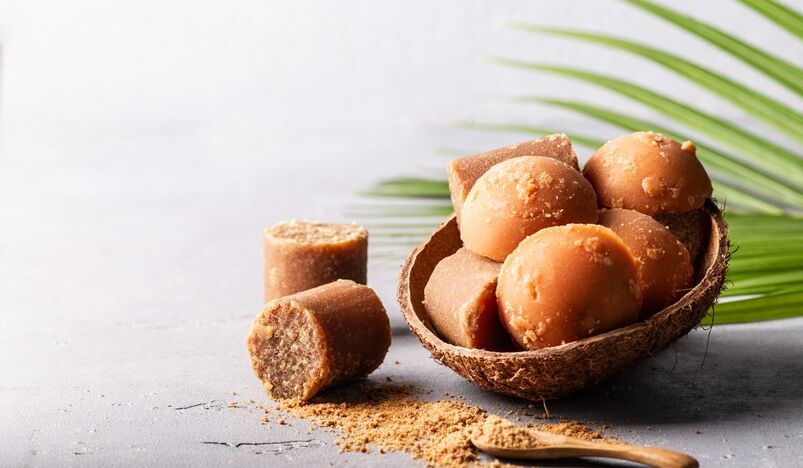
For generations, jaggery has carried a quiet health halo. Handed down through family kitchens, offered after meals and prized as a desi, natural sweetener, it is widely treated as the wholesome alternative to sugar. Many people switch to it without a second thought, assuming their diet becomes healthier by default. That assumption is where the myths begin: tradition and familiarity can easily blur the line between mindful eating and misplaced confidence, and being old-school does not make something harmless.
Jaggery does have genuine benefits, but in the body it still behaves like sugar, raising blood glucose, adding calories and affecting metabolism when eaten in excess. The issue is less jaggery itself than how casually it tends to be consumed. Understanding what it does and does not offer makes it easier to enjoy its flavour and cultural value in moderation, rather than treating it as a free pass to sweetness. Here are five common beliefs, examined with input from Dr. Anjali Hooda, M.D., Internal Medicine.
Myth 1: Jaggery is much healthier than sugar
Jaggery does contain trace minerals such as iron, potassium and magnesium, but the key word is trace. To draw any meaningful nutrition from it, you would have to eat a large amount, which also means a large amount of sugar. As Dr. Hooda puts it, jaggery is not better than sugar because both are ultimately sugars. Calorie for calorie the two are almost identical, and both raise blood sugar in much the same way. Jaggery is less processed and can be marginally preferable, but its reputation rests more on tradition than on nutrition.
Myth 2: Jaggery is safe for people with diabetes
This is one of the most common misunderstandings. According to Dr. Hooda, jaggery is as unsafe for people with diabetes as any other sugar, and largely an empty-calorie food. Because it is mostly sucrose, it has almost the same glycaemic effect as sugar, and the body converts both to glucose just as quickly. Many people with diabetes switch to jaggery believing it is safer, only to see their blood sugar spike. Doctors generally advise limiting it just as strictly as sugar; the difference lies in processing, not in the blood-sugar response, and natural does not automatically mean diabetes-friendly.
Myth 3: Jaggery aids digestion
Jaggery is traditionally eaten after meals because it can stimulate digestive enzymes and support bowel movement, but that is not the same as improving digestion overall, and it is no licence for unlimited consumption. Eaten in excess it can cause bloating, weight gain and sugar crashes. The sensible approach is a small portion after a meal rather than steady grazing through the day; like ghee or fennel seeds, jaggery works best as a finisher, not as a substitute for moderation.
Myth 4: Sugar is 'empty calories' but jaggery isn't
Sugar is often dismissed as empty calories, yet jaggery is not especially nutrient-dense either. Its micronutrients do not cancel out its high sugar content, and both sweeteners deliver quick energy with little satiety. Depending on how the sugarcane is grown and whether it is factory-processed, jaggery may be described as organic or unprocessed, but from a nutritional standpoint fruits, nuts and whole grains remain the better choice. Jaggery is best seen as a traditional sweetener with flavour and cultural value, not as a health supplement, and swapping sugar for it does not offset eating too much sweet food.
Myth 5: Jaggery is always cleaner
Not all jaggery is made cleanly. It can be purer than white crystallised sugar, but again that depends on the production process. Much of the jaggery sold in shops contains chemical clarifiers, artificial colours or even added sugar syrup to improve its appearance, and blocks that look darker or shinier may owe that to additives rather than purity. Artisanal jaggery from trusted sources is considerably cleaner, while bulk-produced versions can be as adulterated as white sugar. Labels and sourcing matter, and brown does not always mean better, it is often just better marketed.
The takeaway is not that jaggery is bad, but that it is still sugar. Enjoyed occasionally and in small amounts, it brings flavour and tradition to the table; treated as a health food and eaten freely, it carries the same risks as any other sweetener. Moderation, not the label, is what matters most.

_08-43-2026_03-43.jpg)
.jpg)
.jpg)

_20-08-2026_05-08.jpg)
_27-51-2026_11-51.png)
_27-43-2026_12-43.png)



.jpg)
.jpg)




.jpg)


.jpg)
.png)
.jpg)













Leave a comment