


 By Hannah Grace - March 12, 2026
.jpg)
Food security is a cornerstone of Qatar’s long-term stability and development. With limited natural resources and a heavy reliance on imports, ensuring a steady supply of safe and affordable food has always been a national priority. Recognizing this, Qatar’s leadership launched the National Food Security Strategy 2030 in December 2024, embedding food security into the broader Qatar National Vision 2030 and the Third National Development Strategy. By investing in modern farming technologies, diversifying import sources, and building strong reserves, Qatar has already delivered tangible results, including major strides in local food production and self-sufficiency in key staples, reinforcing its commitment to a resilient and reliable food system for residents.
How Qatar Secures Its Food Supply Chains
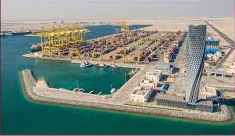
- Heavy Reliance on Imports: Qatar sources the majority of its food from abroad due to limited arable land and water scarcity.
- Diversified Supply Chains: Imports are spread across Asia, Europe, and Africa, ensuring no single country dominates supply.
- Hamad Port as a Hub: Modern logistics and storage facilities at Hamad Port allow Qatar to handle large volumes of imports efficiently.
- Strategic Trade Agreements: Long-term partnerships with food-producing countries strengthen resilience against global market fluctuations.
- Private Sector Role: Local companies are increasingly supplementing imports with domestic production, playing a pivotal role in food security.
Strategic Roadmap for Food Security

- Vision 2030 Alignment: Food security is a central pillar of Qatar’s long-term development plan, ensuring sustained national priority.
- National Food Security Strategy 2030: Built on three pillars:
1. Enhancing domestic production through sustainable technologies.
2. Establishing robust reserves and early warning systems.
3. Diversifying food sources via international trade relations.
- Support for Farmers: Initiatives include pricing mechanisms and programs to safeguard local products, reinforcing their competitiveness against imports.
- Technology-Driven Farming: Heavy investment in hydroponics, vertical farming, and greenhouse cultivation to overcome arid conditions.
- International Partnerships: Strengthened trade relations ensure continuity of imports even during global disruptions.
Milestones in Self-Sufficiency
- Qatar now produces all of its fresh dairy and poultry locally, marking a milestone in reducing reliance on imports.
- Expansion of Local Farming: Hydroponic and greenhouse projects have boosted domestic vegetable production, increasing both volume and quality.
- Elevated Market Standing: Qatari crops are now recognized for their improved quality and competitiveness in the local market.
- Advanced Logistics & Storage: Modern facilities at Hamad Port and across the country ensure efficient handling, storage, and distribution.
- Private Sector Growth: The private sector has become pivotal in food production and distribution, complementing government-led initiatives.
- Consumer Confidence: Rigorous food safety checks and quality standards reassure residents of safe, fresh, and reliable food.
Future Outlook in Qatar’s Food Security Journey
- Expanding Self-Sufficiency: Ongoing projects aim to extend local production beyond dairy and poultry, including vegetables, aquaculture, and food processing.
- Innovation in Agri-Tech: Continued investment in hydroponics, vertical farming, and water-efficient systems will help overcome environmental challenges.
- Sustainability Goals: Qatar targets a 40% reduction in food waste and a 50% reduction in unhealthy consumption habits, aligning with Vision 2030’s social and environmental pillars.
- Climate Adaptation: Early warning systems and adaptive farming practices will strengthen resilience against global climate shifts.
- Knowledge Development: Building expertise in food sciences and agricultural technology will create new opportunities for Qatar’s workforce.
The launch of the National Food Security Strategy 2030 reflects Qatar’s steadfast commitment to sustainable development and resilience. By embedding food security into Vision 2030, diversifying imports, investing in modern farming technologies, and achieving milestones like self-sufficiency in dairy and poultry, the nation has built a system residents can trust. Looking ahead, Qatar’s continued innovation, sustainability efforts, and global partnerships will not only safeguard food supply but also cement its position as a regional pioneer in food security. For residents, this means confidence in a food system that is resilient, sustainable, and future-ready


_09-59-2026_02-59.jpg)
_09-44-2026_02-44.jpg)

_20-08-2026_05-08.jpg)
_27-51-2026_11-51.png)
_27-43-2026_12-43.png)



.jpg)
.jpg)




.jpg)


.jpg)
.png)
.jpg)











Leave a comment