


 By Hannah Grace - March 10, 2026
.jpg)
Qatar’s rise on the global stage is one of the most remarkable success stories in the modern era of energy. Once a modest Gulf state with limited resources, it transformed into a global energy giant through the strategic development of its vast natural gas reserves. By harnessing this wealth with foresight, investment, and innovation, Qatar not only reshaped its domestic economy but also secured a pivotal role in powering industries and households across continents.
This transformation began with a single turning point: the discovery of the North Field in 1971, a find that would redefine Qatar’s future and set the foundation for its energy dominance.
The Discovery of Natural Gas in Qatar
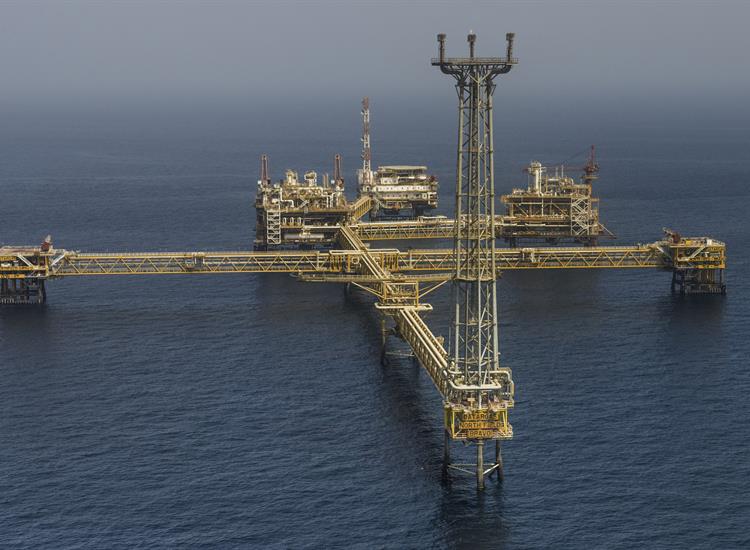
- In 1971, exploration engineers drilling off Qatar’s northeast coast struck the North Field, later confirmed as the largest non-associated natural gas reserve in the world.
- The field spans about 6,000 square kilometers, nearly half the size of Qatar itself, and holds an estimated 900 trillion cubic feet of recoverable gas, around 10–14% of global reserves.
- At the time, Qatar lacked the infrastructure and expertise to exploit such a massive resource, so the discovery was initially more potential than profit.
- The sheer scale of the find, however, signaled that Qatar had the capacity to become a long‑term supplier of energy, setting the stage for its future dominance in Liquefied Natural Gas (LNG) exports.
Strategic Development and Investment
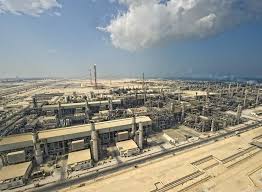
- After the 1971 discovery of the North Field, Qatar’s leadership recognized the need for long‑term planning to turn reserves into revenue.
- In the 1980s and 1990s, the government launched major energy projects, forming Qatar Petroleum (now QatarEnergy) to oversee development.
- Partnerships with international companies like ExxonMobil, Shell, and Total brought in technology, expertise, and capital to build LNG infrastructure.
- Massive investments went into pipelines, liquefaction plants, and shipping terminals, enabling Qatar to process and export natural gas efficiently.
- By the late 1990s, Qatar had also developed one of the world’s largest fleets of specialized LNG carriers, ensuring reliable delivery to global markets.
- These strategic moves transformed Qatar from a resource‑rich state into a global energy exporter, laying the groundwork for its economic boom. These investments paved the way for Qatar’s bold embrace of LNG in the 1990s.
Rise of Liquefied Natural Gas (LNG)

- By the 1990s, Qatar realized that exporting natural gas in its raw form was limited, so it turned to Liquefied Natural Gas (LNG) technology.
- LNG allowed natural gas to be cooled and condensed, making it possible to ship energy across oceans to Asia, Europe, and beyond.
- Qatar invested heavily in liquefaction plants and built one of the world’s largest fleets of specialized LNG carriers, ensuring reliable global delivery.
- Demand for LNG surged worldwide, especially in Japan, South Korea, and later Europe, positioning Qatar as the world’s leading LNG exporter.
- This focus on LNG not only unlocked global markets but also cemented Qatar’s reputation as a pioneer in energy innovation and supply security.
Economic Transformation
- Revenues from Natural gas and Liquefied Natural Gas (LNG) exports rapidly boosted Qatar’s GDP, turning it into one of the wealthiest nations per capita.
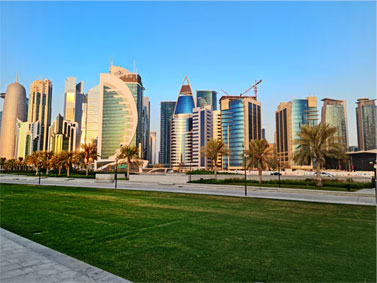
- The government used this income to fund modern infrastructure, including roads, airports, and world‑class facilities.
- Investments flowed into education and healthcare, raising living standards and supporting long‑term development.
- Qatar established the Qatar Investment Authority (QIA), a sovereign wealth fund that channels energy profits into global assets, diversifying the economy beyond hydrocarbons.
- Natural gas wealth also supported Qatar’s ambitions in sports, culture, and diplomacy, helping secure events like the 2022 FIFA World Cup and strengthening its global profile. This domestic transformation also reshaped Qatar’s role abroad, giving rise to a new era of energy diplomacy.
Global Influence and Energy Diplomacy
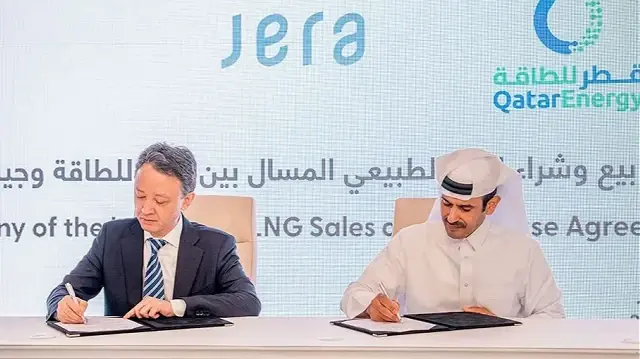
- Qatar’s rise as the world’s leading LNG exporter gave it leverage in international energy markets, making it a reliable supplier for Asia and Europe.
- Long‑term contracts with countries like Japan, South Korea, China, and major European economies strengthened Qatar’s global partnerships.
- Natural gas exports became a tool of energy diplomacy, allowing Qatar to build strategic ties and enhance its political influence worldwide.
- By stabilizing supply during times of global energy uncertainty, Qatar positioned itself as a trusted partner in maintaining market balance.
- Energy wealth also supported Qatar’s broader foreign policy, funding humanitarian aid, cultural initiatives, and global investments that expanded its soft power.
Challenges and Future Outlook
- As global demand for LNG grows, Qatar faces competition from new exporters such as the United States and Australia, which are rapidly expanding their market share.
- The global push toward renewable energy and decarbonization presents long‑term challenges, requiring Qatar to adapt its strategy beyond hydrocarbons.
- To stay ahead, Qatar is investing in carbon capture technologies, efficiency upgrades, and renewable projects, aiming to balance energy leadership with sustainability.
- Expansion plans are underway to boost LNG output from 77 million tons annually to 126 million tons by 2027, reinforcing Qatar’s dominance in the sector.
- By combining traditional energy strength with forward‑looking innovation, Qatar seeks to remain a cornerstone of global energy supply in a rapidly changing world.
From the discovery of the North Field in 1971 to its rise as the world’s leading LNG exporter, Qatar’s journey shows how natural gas reshaped a nation’s economy and global standing. Today, as it expands production and invests in sustainability, Qatar continues to secure its place as a cornerstone of the world’s energy future.
_03-01-2026_01-01.jpg)


_02-41-2026_12-41.jpg)

_20-08-2026_05-08.jpg)
_27-51-2026_11-51.png)
_27-43-2026_12-43.png)


.jpg)
.jpg)

.jpg)
.jpg)
.png)
.jpg)








Leave a comment