


 By guest - August 10, 2026
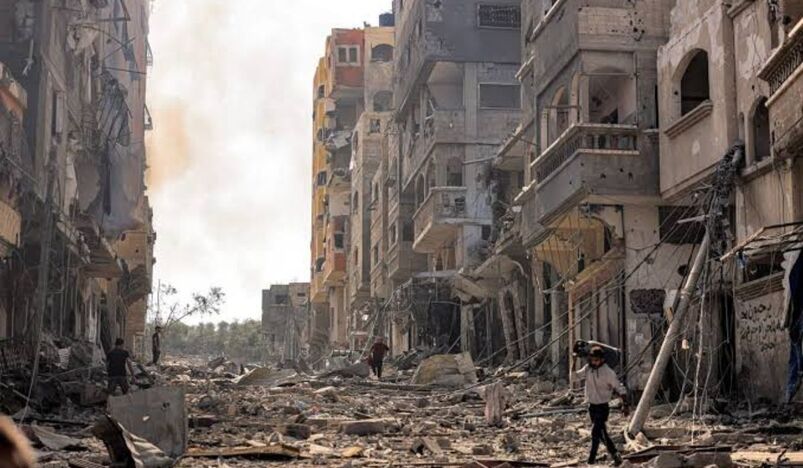
The deaths of multiple members of Palestinian families during Israel’s military operations in the Gaza Strip have renewed allegations from human-rights experts that the pattern of civilian harm may provide evidence relevant to claims of genocidal intent.
The allegations form part of a wider and intensely contested legal and political debate over Israel’s conduct in Gaza since the Hamas-led attacks of October 7, 2023. Human-rights organisations and some international-law experts have argued that the scale of killing, destruction, displacement and deprivation should be assessed together when examining intent under the Genocide Convention.
Israel has rejected genocide allegations and has maintained that its military operations are directed against Hamas and other armed groups rather than the Palestinian population. It says it seeks to minimise civilian harm while operating in a densely populated combat environment.
Why Intent Matters Under International Law
Under the 1948 Genocide Convention, genocide requires certain prohibited acts to be committed with the specific intent to destroy, in whole or in part, a national, ethnic, racial or religious group. Establishing that intent is therefore central to any final legal determination.
Rights advocates have cited patterns of civilian deaths, the destruction of homes and infrastructure, displacement, restrictions affecting basic necessities, and statements by some Israeli officials as evidence they believe should be considered when assessing intent.
Others dispute that these factors establish the required specific intent, arguing that civilian casualties and destruction in a war however severe do not by themselves prove genocide.
International Scrutiny Continues
The International Court of Justice has been considering South Africa’s case accusing Israel of violating the Genocide Convention. Earlier provisional-measures rulings required Israel to take steps aimed at preventing acts prohibited by the convention and facilitating humanitarian assistance; those interim orders did not constitute a final judgment that genocide had occurred.
Separately, Amnesty International has concluded in its own research that Israel has committed genocide against Palestinians in Gaza. Israel has strongly rejected that conclusion and similar findings by other organisations.
Families at the Centre of the Human Cost
Beyond the legal arguments, the loss of multiple relatives in individual strikes has become one of the most visible dimensions of Gaza’s humanitarian toll. Rights experts say documenting who was killed, the circumstances of attacks and any recurring patterns is essential both for accountability and for determining whether international crimes may have occurred.
The conflict has caused widespread destruction and displacement across Gaza and has generated competing claims over military necessity, civilian protection, humanitarian access and compliance with international humanitarian law.
A Legal Question Requiring Careful Attribution
The description of Israel’s actions as genocide remains a grave legal allegation and should be attributed to the experts, organisations or parties making it unless and until a competent court issues a final determination on the merits. Reporting on the issue therefore requires distinguishing documented events from legal conclusions that remain under adjudication or dispute.



_12-42-2026_02-42.jpg)

_20-08-2026_05-08.jpg)
_27-51-2026_11-51.png)
_27-43-2026_12-43.png)



.jpg)
.jpg)




.jpg)


.jpg)
.png)
.jpg)













Leave a comment