


 By neha - July 06, 2026
Slow decisions are now a bigger threat to growth than market risk itself. That's the key finding from Coface's latest global survey of business leaders.
Coface surveyed 1,250 business leaders across 13 countries for this report. The results show a clear shift in how companies think about risk and decision-making. Dubai stands out as one of the more advanced markets in this shift.
AI Insights Take Center Stage In Dubai
A striking 82% of organisations in Dubai now prioritise AI-driven insights. They use these tools to support faster and more confident decisions. This figure highlights how quickly AI has moved from a nice-to-have to a business necessity.
Globally, 68% of companies say slow decision-making blocks their growth. Businesses no longer just want to avoid risk. They want to make good calls faster, even when conditions stay uncertain.
Dubai Shows Stronger Governance Than Most Markets
Dubai's risk and finance functions appear more embedded than the global average. In Dubai, 32% of organisations bring risk teams in at the idea stage. Globally, that number sits at just 24%.
This early involvement reflects a mature approach to governance. It also means Dubai companies build risk thinking into decisions from day one rather than adding it later.
Around 36% of Dubai businesses already view risk as a strategic growth partner. Still, 38% continue to see risk mainly as a protective function. This split shows a market in transition, holding onto caution while reaching for more agility.
Where The Real Bottleneck Sits
Slow decision-making isn't just a Dubai problem. It shows up as a global pattern rooted in trust and data issues.
Almost six in ten organisations, 59% globally, feel that risk team feedback comes across as overly cautious. This tension between sales and risk teams slows everything down. Fragmented data makes the problem worse, with 52% of companies reporting inconsistent data across markets.
Without reliable, unified data, teams fall back on gut instinct. That instinct tends to favour caution, which then slows future decisions even further. Coface describes this pattern as a vicious circle that many businesses now want to break.
A Small Group Of Companies Leads The Way
The survey identifies a group of high performers called Open Advantage Leaders. Only 12.6% of surveyed companies fall into this category. These businesses treat risk as a growth advantage rather than a barrier.
Open Advantage Leaders involve risk teams early far more often, at 70% compared with an average of 58%. They're also more likely to view risk as a competitive edge, at 29% versus 19%. These companies encourage open debate internally at nearly double the average rate.
What This Means For Dubai's Business Environment
This shift comes as the wider Gulf region continues to show economic resilience. The UAE and Saudi Arabia recently reaffirmed their sovereign credit ratings with stable outlooks. That stability gives businesses more confidence to invest in faster decision-making tools.
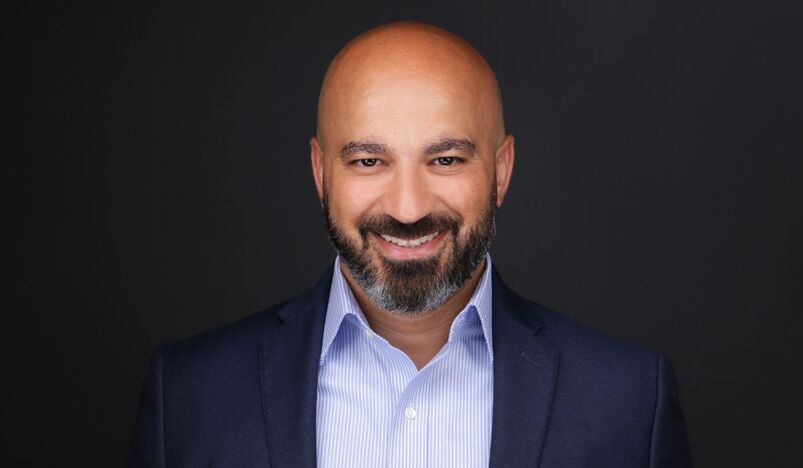
Mohamad Jomaa, CEO and Country Manager for GCC and Egypt at Coface, commented on the findings. He said Dubai's results reflect a market built on strong governance and increasingly mature risk practices. He added that future growth will depend on turning data and risk intelligence into faster, more confident decisions.
Xavier Durand, CEO of Coface, offered a broader view on the shift happening across markets. He said the real challenge companies face now is not avoiding risk. It's learning to turn uncertainty into informed decisions using data.
As AI tools become more common in boardrooms, the gap between fast movers and cautious firms looks set to widen further.

_20-08-2026_05-08.jpg)
_27-51-2026_11-51.png)
_27-43-2026_12-43.png)



.jpg)
.jpg)




.jpg)


.jpg)
.png)
.jpg)













Leave a comment